
Baphia capparidifolia
Baphia capparidifolia
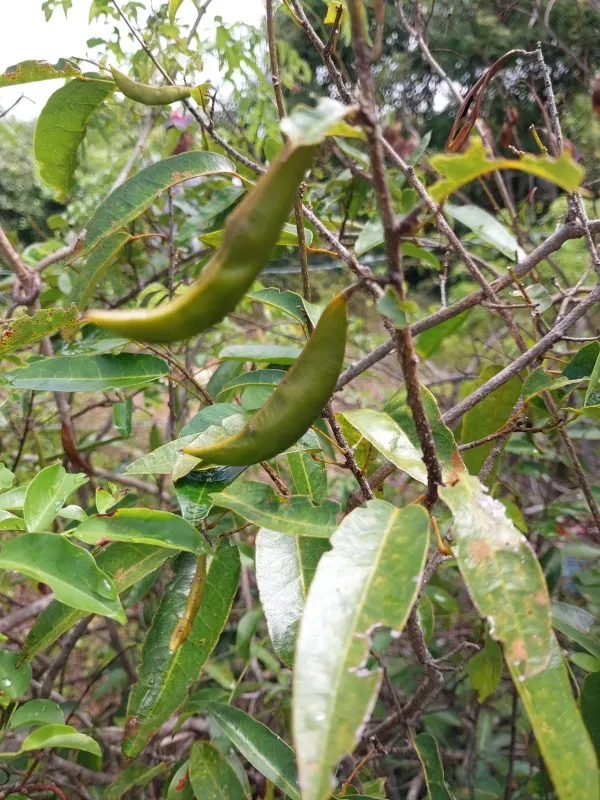
Description
Growing requirements
Baphia capparidifolia is a member of the Fabaceae family, native to tropical African regions. This plant typically grows as a dense shrub or a small tree in humid forests, requiring tropical climate conditions to thrive.
The plant demands high ambient temperatures throughout the year and is intolerant to frost or extreme chilling. It prefers well-drained, fertile soil, ideally with a neutral to slightly acidic pH, which supports vigorous root development and nutrient uptake.
Sufficient moisture is essential for the growth of Baphia capparidifolia, especially in the early stages of development. However, the soil must be well-drained, as waterlogging is detrimental to its root system and can lead to decay.
Botanically, it features leathery leaves and specialized structures that help it manage water consumption efficiently. As a legume, it contributes to soil fertility by fixing atmospheric nitrogen, which is a key agronomic advantage in agroforestry systems.
Management practices should include ensuring proper spacing to allow for adequate airflow and light penetration. While it can withstand some shade, full sunlight promotes better biomass production and enhances the quality of the wood and extracts.
Yield
Baphia capparidifolia is highly valued for its wood, which is known for its durability and structural integrity. It is utilized in various crafts and traditional manufacturing processes where high-quality timber is required.
The plant is also recognized for its historical use as a source of natural dyes derived from its bark and leaves. Harvesting these materials requires careful handling to ensure long-term sustainability of the plant population.
Yield metrics for this culture are significantly influenced by soil nutrient availability and the application of organic amendments. In well-managed environments, the plant exhibits consistent annual growth rates suitable for systematic harvesting.
Beyond wood and dye production, the plant serves as a vital component in ecological conservation by preventing soil erosion. Its deep root system helps stabilize slopes, providing long-term benefits to the local agricultural landscape.
- Timber production for furniture and crafts
- Extraction of pigments for natural dyeing
- Soil nitrogen fixation through symbiotic bacteria
- Erosion control in tropical landscapes