
Camwood
Baphia nitida
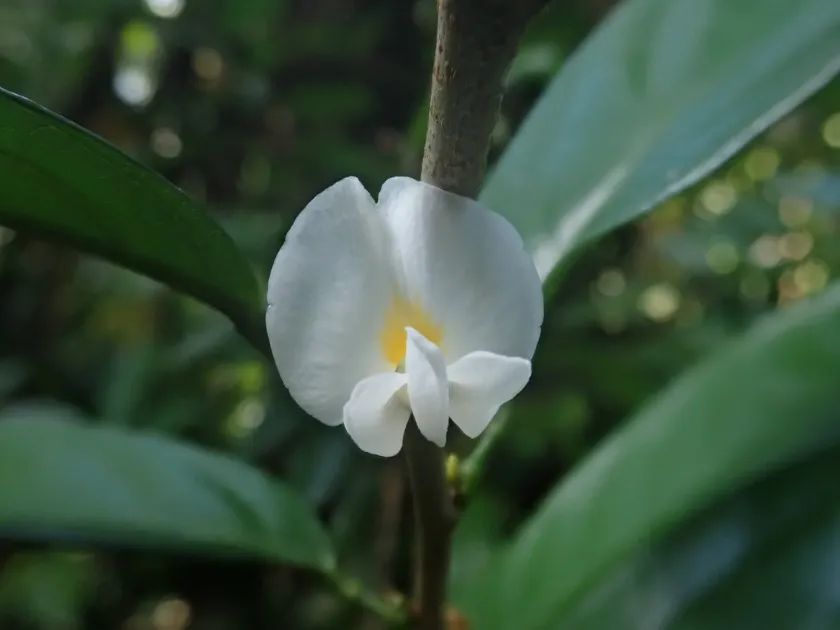
Description
Growing requirements
Camwood, scientifically known as Baphia nitida, is a prominent shrub or small tree belonging to the Fabaceae family. It is recognized for its glossy foliage and deep red heartwood, which has been utilized for centuries.
The native distribution of this species spans the tropical regions of West and Central Africa. It thrives in humid lowland forests where the microclimate remains stable throughout the entire year, supporting its biomass accumulation.
Agricultural success for this crop depends on soil quality; it prefers deep, well-draining loamy soils. Proper drainage is essential, as the plant's root system is susceptible to decay if exposed to persistent waterlogging.
Regarding climate, Baphia nitida requires constant warmth and high ambient humidity. It is strictly a tropical crop, as it lacks the physiological mechanisms to withstand the low temperatures found in temperate climates.
The economic value of camwood lies primarily in its dye-producing heartwood, traditionally used for textiles and wood staining. Furthermore, it plays a role in traditional medicine and is increasingly valued as an ornamental tree in landscaping.
Main diseases and pests
Fungal infections, particularly leaf spot diseases, are the most frequent threats in plantations with poor air circulation. These pathogens proliferate during prolonged rainy spells and can cause significant defoliation.
Pest pressure often comes from leaf-eating caterpillars and aphids that colonize tender young growth. If left unmanaged, these pests can stunt the tree's development and reduce the quality of the harvested wood.
Root pathogens represent a lethal threat to the trees, often triggered by compaction or excessive moisture in the soil. Maintaining proper soil structure and organic content helps the tree maintain natural resistance.
Wood-boring insects are a specific concern, as they degrade the quality of the valuable heartwood. Silvicultural practices that maintain tree vigor are the primary defense against such infestations.
Effective management strategies include removing dead or diseased timber and ensuring adequate spacing between trees. These practices minimize the spread of airborne spores and limit the movement of crawling insects between specimens.