
Banksia saxicola
Banksia saxicola
Description
Growing requirements
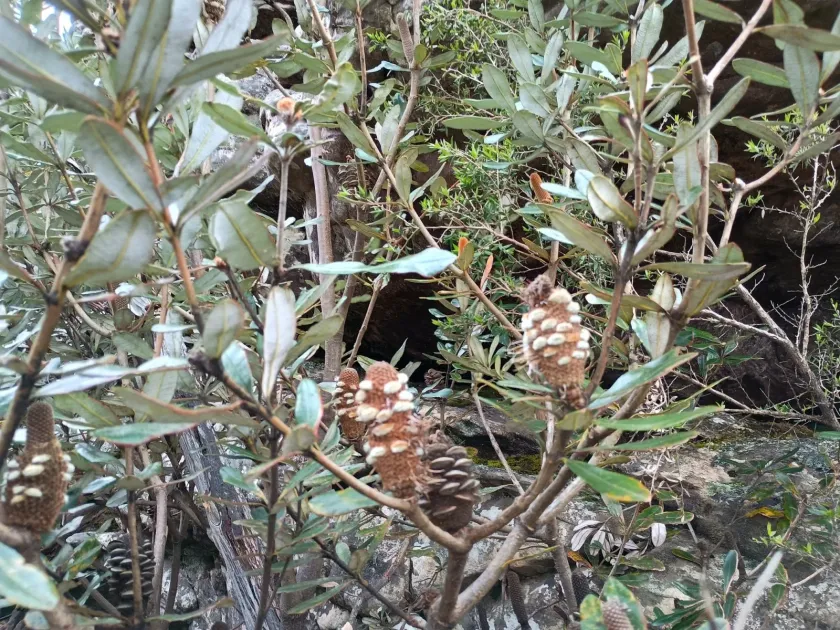
Banksia saxicola, commonly known as the rock banksia, is a distinct species within the Proteaceae family. Native to isolated regions in Victoria, Australia, this plant is characterized by its woody, robust growth and iconic, large inflorescences that look like heavy brushes.
In a horticultural context, the species requires highly specific edaphic conditions. It thrives in well-drained, nutrient-poor sandy or rocky soils. Agricultural success depends on maintaining an environment where soil acidity and low phosphorus levels are strictly managed to prevent metabolic disorders.
Climate requirements for this plant include a Mediterranean-style pattern: warm, dry summers and mild, moist winters. It is frost-sensitive to a degree, making it suitable for cultivation primarily in greenhouses or sheltered botanical gardens in non-native regions.
Proper airflow is essential for the health of Banksia saxicola. When grown in controlled environments, the spacing between individual plants must be sufficient to allow for wind movement, which naturally prevents the buildup of excess humidity around the foliage.
Its primary commercial application is in the ornamental and floricultural sectors. Due to the long vase life of its inflorescences, it is a premium product in the high-end cut flower market, valued for its unique architectural form and striking appearance.
Main diseases and pests
Root rot caused by Phytophthora cinnamomi remains the most devastating threat to the species. This soil-borne pathogen thrives in moist, poorly drained conditions, necessitating rigorous quarantine and sanitation measures in cultivation sites.
Pests such as scale insects and aphids are common challenges. These organisms feed on the sap and can lead to secondary viral or fungal infections, significantly reducing the vigor of the plant if left untreated.
Phosphorus toxicity is a physiological threat unique to the Proteaceae family. Unlike most agricultural crops, Banksia saxicola has evolved to extract nutrients from depleted soils and will suffer severe damage if standard high-phosphorus fertilizers are applied.
High relative humidity combined with cool temperatures poses a risk of botrytis, or grey mold, affecting the developing flower spikes. Monitoring ambient conditions is a vital part of the disease management strategy for greenhouses.
Limited genetic diversity in small cultivated populations can also lead to increased susceptibility to environmental stressors, making it important to maintain high standards of plant hygiene and regular health monitoring.