
Banksia prionotes
Banksia prionotes
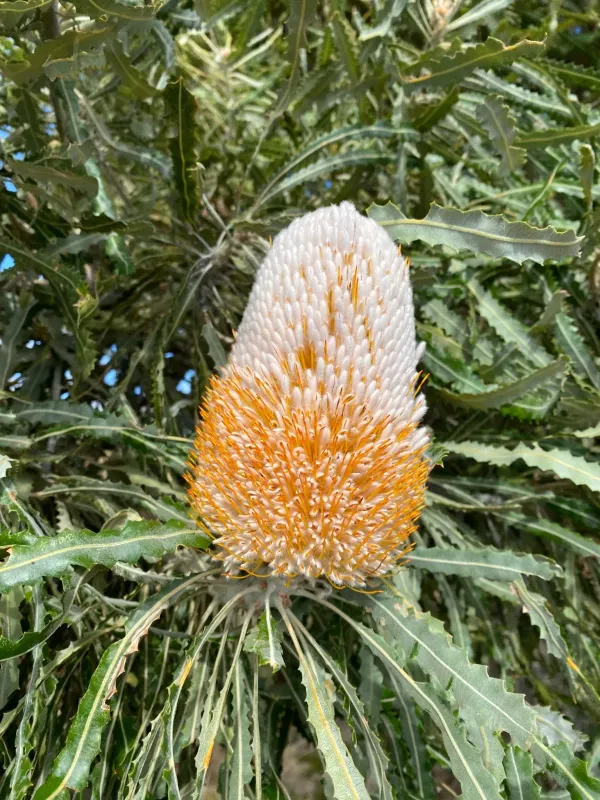
Description
Sowing dates
Banksia prionotes, commonly known as the Acorn Banksia, is a distinct species whose propagation relies on specific ecological triggers. In its natural Australian habitat, the seeds remain locked within woody follicles that typically open only after exposure to high temperatures from bushfires.
For commercial sowing, producers must simulate these conditions by carefully applying dry heat to the seed follicles. This process is essential to overcome seed dormancy and ensure successful germination rates in controlled nursery environments.
The sowing substrate should be highly porous and contain extremely low levels of organic matter and phosphorus. Banksia species have evolved to thrive in nutrient-poor soils, and using standard high-nutrient potting mixes will inevitably lead to seedling failure.
Seeds should be sown at a depth of approximately 5-10 millimeters in well-draining media. Keeping the substrate moderately moist is crucial during the initial stages, but over-saturation must be strictly avoided to prevent damping-off diseases caused by fungal pathogens.
Germination typically occurs within 3 to 6 weeks under consistent temperatures between 20°C and 25°C. Once the seedlings develop their first true leaves, they require excellent ventilation to maintain vigorous growth and prevent root rot.
Growing requirements
As a member of the Proteaceae family, Banksia prionotes requires specific environmental conditions to reach its full productive potential. It demands full sun exposure throughout the day, which is vital for the development of its large, signature flower spikes.
Soil requirements are strict: the plant must have deep, sandy, and highly acidic soil. Proper drainage is the most critical agronomic factor; the plant is exceptionally sensitive to waterlogged conditions, which promote the rapid growth of pathogenic fungi.
Fertilization must be managed with extreme caution. The species utilizes specialized proteoid roots to extract nutrients efficiently; therefore, applying phosphorus-based fertilizers can reach toxic levels for the plant, leading to immediate decline and root damage.
The species prefers a Mediterranean climate characterized by dry summers and mild, moist winters. While it can withstand light frost, prolonged freezing temperatures can severely damage the plant's delicate vascular tissues and foliage.
In greenhouses or non-native regions, it is essential to manage humidity levels. Good air circulation is mandatory to prevent the build-up of moisture, which is the primary cause of leaf spot and other fungal infections in controlled cultivation.
Main diseases and pests
The most significant threat to Banksia plantations is Phytophthora cinnamomi, a soil-borne water mold that causes root rot. Once a plantation is infected, there are no effective curative treatments, making biosecurity and prevention the only viable management strategies.
Insect pests, including mealybugs and spider mites, can become an issue in greenhouse environments where airflow is insufficient. Integrated pest management using biological controls is preferred to minimize the use of harsh chemical pesticides.
Excessive humidity and inadequate ventilation often trigger outbreaks of powdery mildew and other foliar diseases. Regular inspection and the removal of infected plant debris are necessary to keep the infection pressure low within the growing area.
Environmental stress, particularly the combination of heat and high soil moisture, can weaken the plant's natural immune system, making it more susceptible to opportunistic infections. Monitoring the moisture level of the root zone is a daily task for professional growers.
Strict quarantine measures should be enforced when bringing in new plant material to prevent the introduction of pathogens. Using sterile equipment and clean irrigation water is a foundational rule in the agronomy of this sensitive Proteaceae species.
Harvesting
Banksia prionotes is primarily cultivated for the high-end cut flower market. The harvest occurs when the flower spikes are fully developed but have not yet shed their florets, ensuring maximum post-harvest longevity and aesthetic appeal.
Harvesting is a manual process that requires precise cutting techniques. Workers must ensure that the cuts are made cleanly and at the correct angle to avoid damaging the main stems, which often contain dormant buds necessary for future growth cycles.
Immediately after harvest, stems must be placed in clean, deionized water treated with specific anti-bacterial agents. This protocol is vital to prevent vascular blockages that prevent the flowers from taking up water, significantly reducing their shelf life.
Post-harvest storage requires strict temperature control, ideally keeping the product cool to slow down respiration. Proper handling and specialized packaging are necessary to protect the heavy, structurally complex flower spikes from mechanical bruising.
Yield management depends on the age of the plantation and regular pruning regimes. Pruning after the flowering season is essential to maintain plant shape and stimulate the development of new, productive flowering shoots for the subsequent season.