
Banksia oblongifolia
Banksia oblongifolia
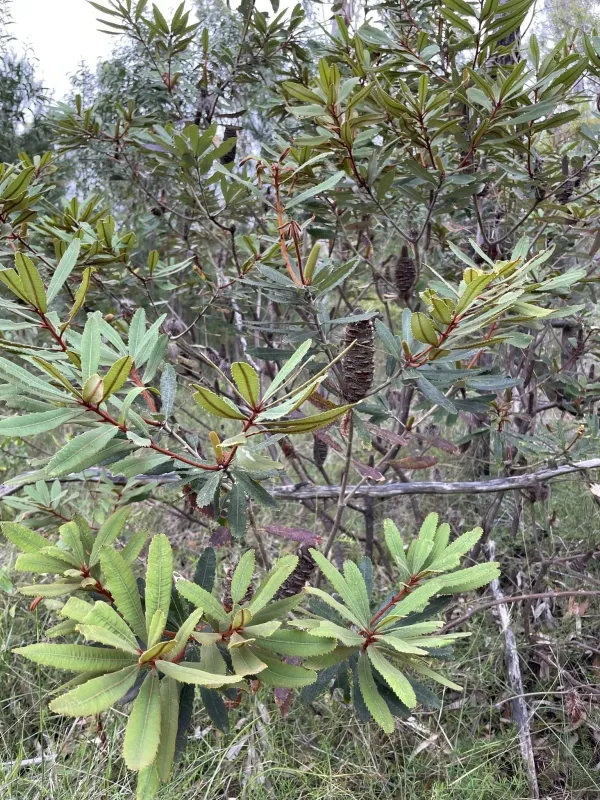
Description
Sowing dates
Banksia oblongifolia is primarily propagated through seeds within protected environments or specialized greenhouses. The optimal timing for sowing is during early spring as daylight hours begin to increase significantly.
Seeds require stratification or heat treatment, as they naturally release from follicles following the high temperatures associated with wildfires. Planting depth should not exceed 5–10 mm in a light, sandy medium.
Germination is a gradual process requiring a stable temperature of approximately 20–22 degrees Celsius. Maintaining adequate ventilation is crucial to prevent the development of soil-borne fungal diseases during this stage.
Pricking out seedlings is conducted after the emergence of two pairs of true leaves, moving them into individual pots with a well-draining substrate. Transplanting must be done with extreme care due to the plant's highly sensitive root system.
The species is highly intolerant of root disturbance, making the method of shifting with the undisturbed root ball the only acceptable practice for young nursery stock.
Growing requirements
Belonging to the Proteaceae family, Banksia oblongifolia is an evergreen shrub native to the eastern coast of Australia. The plant thrives in sandy or loamy acidic soils characterized by low phosphorus content.
Lighting requirements are high, as the plant is strictly light-loving. In cooler northern regions, cultivation is only feasible in greenhouses equipped with supplementary lighting during the winter months.
Temperatures should be kept moderate; the plant struggles with extreme heat above 30 degrees Celsius and is sensitive to frost. During winter, a cooler environment between 10–15 degrees Celsius is essential.
Irrigation must be consistent but never waterlogged, as poor drainage is lethal to the roots. Using soft, acidified water is a key success factor when growing this Banksia species in container environments.
- High requirement for soil aeration.
- Extreme intolerance to excess mineral fertilizers, particularly phosphorus.
- Need for shelter against strong winds when planted outdoors.
Main diseases and pests
The primary threat to the crop is pathogenic microorganisms, specifically Phytophthora cinnamomi, which causes fatal root rot. Because this pathogen is virtually impossible to eradicate, preventative measures are the only viable defense.
In greenhouse settings, the plant is frequently infested by spider mites and mealybugs. Regular visual inspection of the foliage and strict nursery hygiene are essential to mitigate the risk of mass infestation.
Iron or magnesium deficiencies often manifest as leaf chlorosis, usually triggered by improper soil pH levels (exceeding 6.5). Adjusting the substrate composition typically resolves the yellowing of foliage.
High air humidity combined with poor airflow can provoke powdery mildew on tender new shoots. Proactive use of biofungicides helps to suppress the spread of such infections effectively.
Pest damage is dangerous primarily because it weakens the plant, making it a vulnerable host for secondary pathogens that rapidly compromise the shrub's vascular system.