
Banksia menziesii
Banksia menziesii
Description
Growing requirements
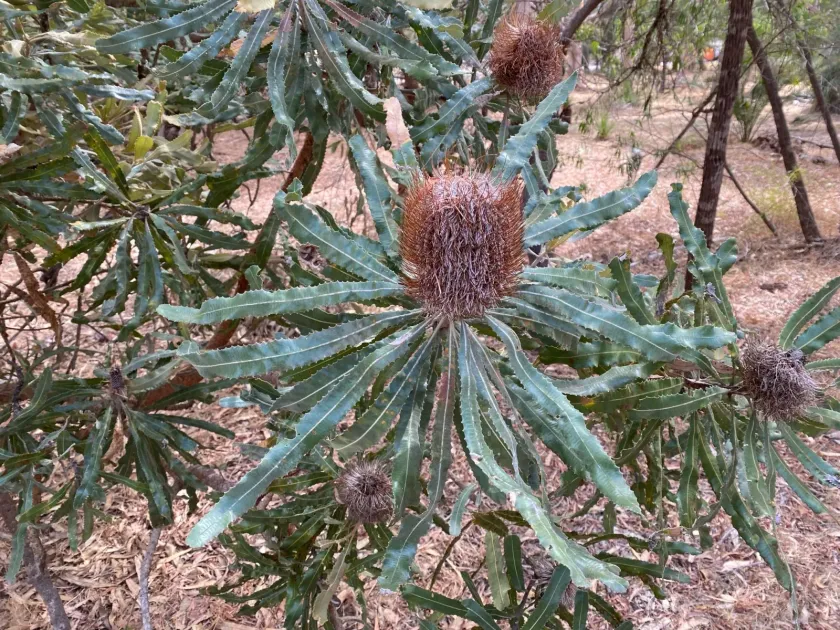
Banksia menziesii, commonly known as the firewood banksia, is a member of the Proteaceae family native to Western Australia. It is widely recognized for its distinctive cone-like inflorescences which display a range of vibrant colors from pink to deep red.
This species requires exceptionally well-drained, sandy, or gravelly soils. In agricultural settings, it is vital to avoid waterlogged conditions, as the root systems are highly susceptible to pathogens that thrive in moist, stagnant environments.
The plant thrives in full sun exposure. Adequate light is crucial not only for the vegetative development of the plant but also for the successful initiation and maturation of the dense, decorative flower spikes that make it a valuable commercial crop.
Regarding soil fertility, Banksia menziesii has evolved in nutrient-poor environments. It is extremely sensitive to phosphorus-rich fertilizers, which can cause significant physiological damage or even the death of the plant; therefore, specific low-phosphorus fertilizers are required.
The optimal climate for this species is Mediterranean, characterized by mild, wet winters and dry, warm summers. In greenhouse cultivation, maintaining a stable, low-humidity environment is essential to ensure the health of the plant throughout its long development cycle.
Main diseases and pests
The most severe biological threat to Banksia menziesii is the fungus Phytophthora cinnamomi, which causes root rot. This pathogen spreads through contaminated soil or water, and there is currently no cure, making prevention the only viable management strategy.
Insect pests, particularly various species of wood-boring moths and flower-feeding larvae, pose a risk to the quality of the inflorescences. Integrated pest management (IPM) protocols are necessary to mitigate damage without harming the plant.
Chemical sensitivity is a key consideration for growers. The use of standard agricultural fungicides and insecticides should be avoided or tested on a small scale, as the species is sensitive to many common chemical compounds.
Cultural practices, such as maintaining strict hygiene in the nursery and preventing water runoff between plots, are essential to contain the spread of soil-borne pathogens and ensure the sustainability of the plantation.
Regular monitoring of plant health, including visual inspection of foliage and soil tests, allows growers to intervene early and isolate potentially infected specimens, thus protecting the broader crop area.
Harvesting
The primary economic use of Banksia menziesii is as a high-value cut flower in the global floral industry. Its architectural shape and longevity make it a sought-after component for modern and exotic floral arrangements.
Harvesting is typically performed by hand, focusing on selecting inflorescences that have reached the appropriate stage of maturity. Proper timing is critical to ensure that the flower spike remains visually appealing during transit and vase life.
Post-harvest handling involves careful cleaning of stems and immediate placement in water with appropriate preservatives. Keeping the cut stems in a cool, ventilated area prevents premature degradation of the bracts.
Consistent pruning of the bushes post-harvest is necessary to manage plant density and shape. This practice also encourages the development of new flowering branches for the following harvest season, ensuring long-term crop productivity.
The crop is graded based on the size of the inflorescence and the length of the stem. Maintaining strict quality standards is paramount for producers aiming to supply international flower markets with premium botanical materials.