
Banksia hybrids
Banksia hybrids
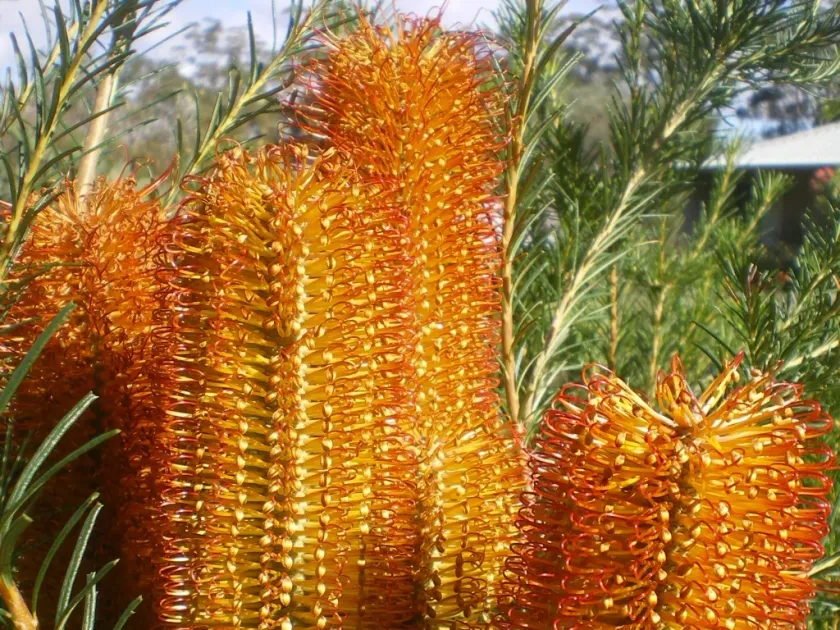
Description
Growing requirements
Banksia hybrids are a group of cultivars developed within the Proteaceae family, highly valued in floriculture for their unique inflorescences and structural aesthetic. These hybrids result from breeding programs aiming to enhance hardiness and floral characteristics for commercial production.
The climate requirements for these plants are strictly Mediterranean, favoring mild winters and dry, warm summers. They are generally sensitive to heavy frost and prolonged periods of high humidity, necessitating site selection that provides excellent airflow and thermal stability.
Soil composition is critical for Banksia cultivation. Plants require well-drained, sandy, or coarse-textured soils with low nutrient levels. It is essential to avoid fertilizers containing phosphorus, as the plant roots have specialized proteoid structures that are extremely sensitive to phosphorus toxicity.
Full sun exposure is a non-negotiable requirement for optimal growth and flowering. In protected cultivation, greenhouse environments must provide maximum light transmission and precise humidity control to prevent physiological stress or moisture-related issues.
Water management focuses on mimicking natural drainage patterns. Overwatering is the most frequent cause of failure in Banksia cultivation. Providing a light, fast-draining substrate and allowing the soil to dry out between watering sessions is essential for maintaining root health.
Main diseases and pests
The most significant threat to Banksia hybrids is Phytophthora cinnamomi, a soil-borne water mold that causes root rot. This pathogen is highly destructive and thrives in moist soils, making drainage management the primary defense strategy.
Pest pressures often include aphids, mealybugs, and scale insects. These pests feed on the phloem of young branches and developing flower buds, which can lead to stunted growth and reduced market value for the floral harvest.
Integrated pest management involves regular scouting for signs of infestation and using biological control agents where possible. If chemical interventions are required, they must be applied selectively to prevent phytotoxicity.
Cultural control practices, such as sterilizing pruning tools and maintaining a weed-free zone around the base of the plant, are crucial for preventing the introduction of pathogens into the root zone.
Early identification of chlorosis or leaf browning is vital, as these symptoms often serve as an indicator of root system stress or an underlying fungal infection, requiring immediate corrective action to save the plant.