
Araucaria hunsteinii
Araucaria hunsteinii K. Schum. & Hollrung
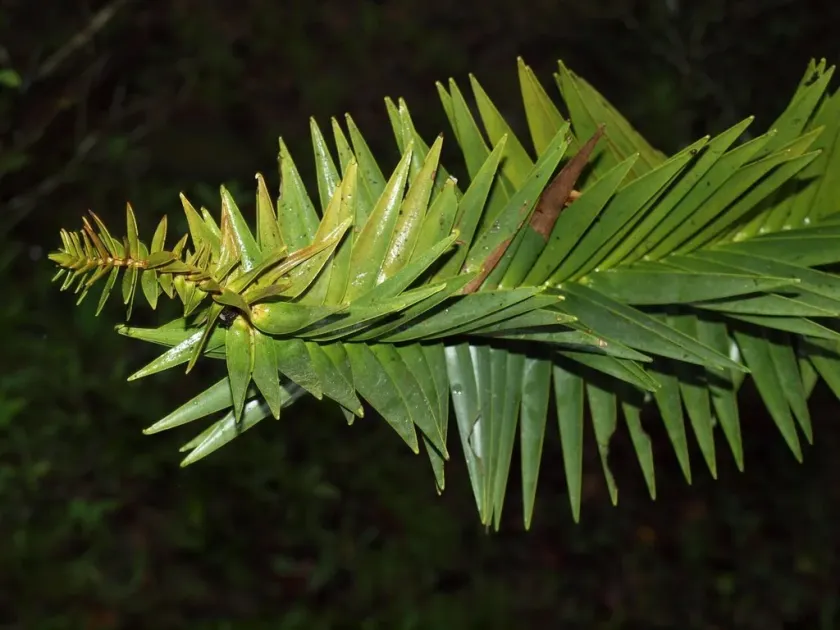
Description
Sowing dates
Araucaria hunsteinii, commonly known as Klinki pine, belongs to the Araucariaceae family and is native to the rainforests of New Guinea. It is a majestic tree that plays a significant role in tropical silviculture due to its rapid growth rate.
Propagation is typically carried out using fresh seeds, as they have a very short storage life and lose viability quickly. Sowing should be done in prepared nursery beds with a high moisture content, ensuring a warm and stable environment that mimics their natural tropical habitat.
The tree demands deep, well-drained, and nutrient-rich soils to thrive. In forestry practice, it is often essential to prepare the site properly by removing competing vegetation and ensuring there is no waterlogging, which the species cannot tolerate under any circumstances.
Planting density is a key factor in agrotechnics, as Araucaria hunsteinii requires sufficient space for canopy development. Managing the surrounding vegetation during the first few years is crucial to ensure the seedlings receive enough light without being exposed to excessive heat.
The climate requirements include high rainfall and consistently warm temperatures. In regions where dry seasons occur, supplemental irrigation for young plants is necessary to prevent mortality and ensure that the root system establishes firmly in the soil.
Yield
This species is highly regarded for its excellent timber properties, providing high-quality wood used for fine furniture, joinery, and veneer. The yield of merchantable timber per hectare is competitive, making it a viable crop for long-term forestry investment in tropical regions.
Main diseases and pests
Pathogenic fungi are the primary threat, especially in nurseries where humidity is high and airflow is restricted. Implementing strict sanitary measures and ensuring proper drainage are the most effective ways to prevent root rot and other systemic diseases.
Insect pests, including various wood-boring beetles, can affect the health of the trees, particularly if the plantation is stressed by environmental factors. Regular field surveys and prompt removal of infested debris are standard procedures to mitigate these risks effectively.
Harvesting
Harvesting strategies are based on the tree's growth cycle, typically involving selective logging or clear-cutting followed by reforestation to maintain plantation sustainability. The process requires careful handling to preserve the wood's structural integrity and aesthetic value.