
Monkey puzzle tree
Araucaria araucana (Molina) K. Koch
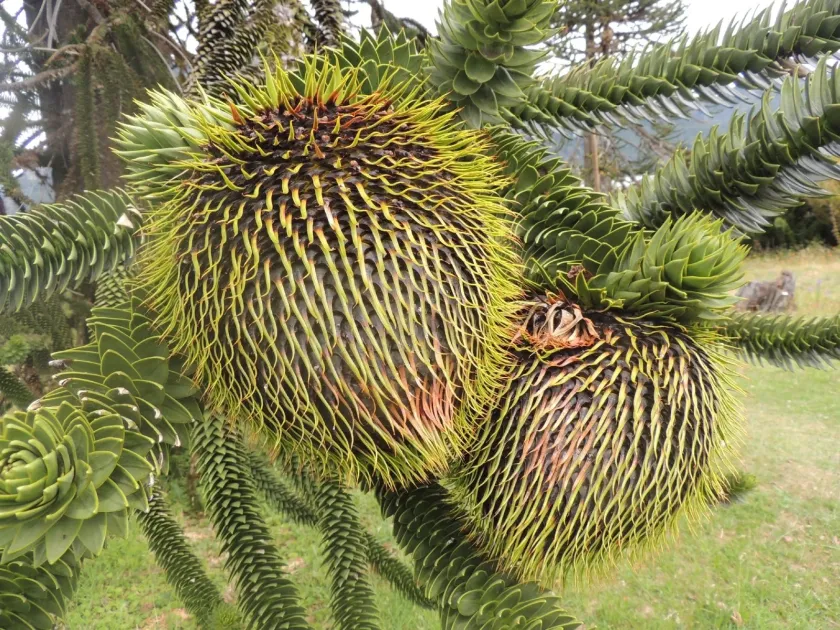
Description
Sowing dates
The propagation of the monkey puzzle tree is primarily performed through seeds. Fresh seeds are essential for success, as they lose viability rapidly if dried or stored incorrectly.
Seeds should be sown in a well-draining, sandy loam substrate. Planting depth is typically 2-3 cm, and the seeds require a cool stratification period if harvested during the off-season.
Germination is an exceptionally slow and erratic process, often taking several months to a full year. Maintaining a consistent soil moisture level without creating waterlogged conditions is critical.
Seedlings must be kept in a shaded area during their first 2 to 3 years. Exposure to intense sunlight can easily scorch the young, delicate foliage and stunt growth.
Transplanting to a permanent location is a delicate process due to the sensitive taproot. It is best done when the tree is 3-5 years old, ensuring minimal root disturbance.
Growing requirements
The monkey puzzle tree (Araucaria araucana) is a coniferous species within the Araucariaceae family, originating from the volcanic slopes of the South American Andes.
It thrives in temperate, oceanic climates with high humidity and moderate rainfall. While it can survive temperatures down to -20 degrees Celsius, it is highly sensitive to desiccating winds and excessive soil moisture.
Soil requirements dictate a well-draining, slightly acidic to neutral medium. The tree is intolerant of heavy, clay-rich soils that retain stagnant water, as these inevitably lead to root rot.
Full sun is preferred for mature specimens, though they benefit from protection against harsh drying winds. In drier climates, regular overhead irrigation is necessary to mimic the natural misty conditions of their native habitat.
The monkey puzzle tree is a slow grower and requires minimal fertilization. Over-fertilization, especially with nitrogen, can lead to weak growth that is more susceptible to cold damage and disease.
Yield
The primary agricultural interest in the monkey puzzle tree is its edible seeds, often called pine nuts. These are highly nutritious, containing significant levels of starch, protein, and essential fatty acids.
Productivity is hindered by the long maturation time of the tree; it generally does not bear significant fruit until it reaches 20-40 years of age, making it a long-term investment.
Cones take approximately 18 months to fully mature. Once ripe, they disintegrate on the branches and fall to the ground, requiring manual collection, which is labor-intensive for large plantations.
Yield varies significantly based on environmental conditions and the individual genetic health of the specimen. Consistent yields are achieved in areas with optimal soil nutrient levels and lack of competition from other species.
The timber, once widely used, is now legally protected in many areas, shifting the economic focus of the crop entirely toward seed harvesting and ornamental landscape use.
Main diseases and pests
Root rot is the most devastating issue for Araucaria, usually caused by pathogenic fungi such as Phytophthora. This is almost always triggered by poor soil drainage and waterlogging.
Pests such as scale insects and spider mites can infest the foliage, particularly in nursery environments or in regions with prolonged hot, dry spells. These pests sap nutrients and can lead to crown thinning.
Physiological damage from severe frost followed by bright sun can lead to bark splitting and tissue necrosis, creating entry points for opportunistic fungal pathogens.
Integrated pest management should focus on maintaining tree vigor through correct site selection and spacing, which encourages air circulation and reduces humidity-related infections.
When chemical treatment is necessary, contact fungicides and systemic insecticides should be applied carefully, following the specific growth stage of the tree to avoid foliage phytotoxicity.