
Arabidopsis neglecta
Arabidopsis neglecta
Description
Growing requirements
Arabidopsis neglecta is a perennial herbaceous plant belonging to the Brassicaceae family. It is a specialized alpine species that exhibits unique physiological traits allowing it to thrive in the harsh environments of high-mountain ecosystems.
The plant originates from the mountainous regions of Central and Eastern Europe, with a distribution primarily confined to the Carpathian range. It typically inhabits rocky slopes, screes, and limestone crevices, demonstrating high resilience to extreme temperatures and variable moisture levels.
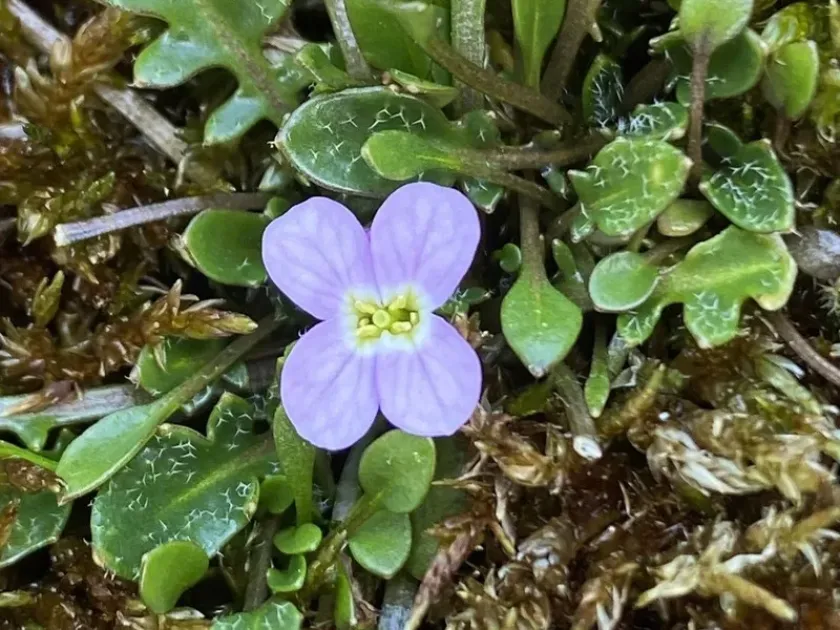
Morphologically, the species features a compact basal rosette and slender stems bearing small, characteristic four-petaled flowers. Its root system is specifically adapted to anchor in rocky substrates, where it can extract essential minerals while maintaining structural stability against wind and erosion.
In terms of environmental requirements, the plant thrives in well-drained, nutrient-poor, and alkaline soils typical of alpine scree slopes. It requires high light intensity and is intolerant of waterlogged soil conditions, which would lead to root decay in its natural habitat.
Currently, Arabidopsis neglecta is not cultivated as a commercial agricultural crop. Its value remains strictly scientific, as researchers utilize it as a model system to investigate plant adaptation, evolutionary biology, and the genetic pathways governing survival in extreme, high-altitude climates.