
Sand rockcress
Arabidopsis arenosa
Description
Sowing dates
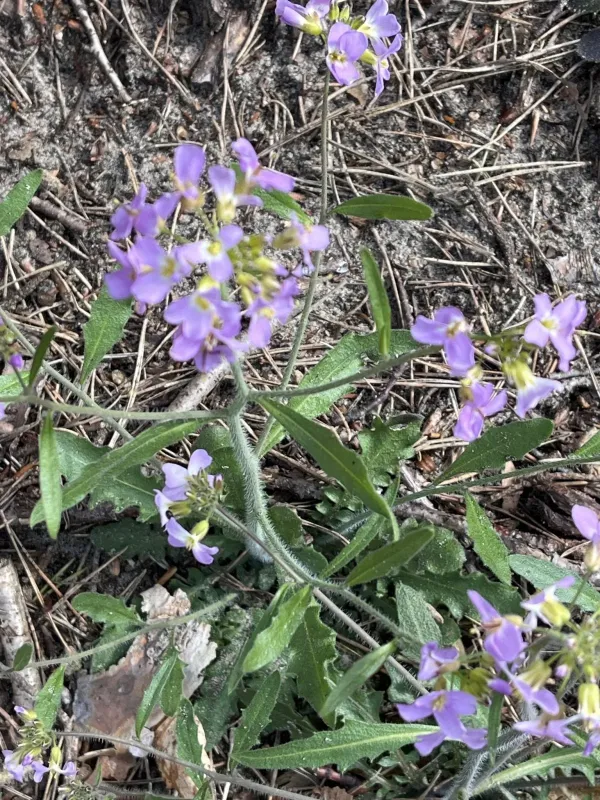
Arabidopsis arenosa, known as sand rockcress, is a member of the Brassicaceae family. It is typically a biennial or winter annual, relying on a period of vernalization to induce flowering in the following season.
Sowing is best carried out in the autumn months to mimic the plant's natural life cycle. This timing allows the rosettes to establish themselves before the onset of the severe winter, ensuring early development in spring.
Seeds should be sown shallowly, as they require light to germinate efficiently and are sensitive to heavy soil compaction. Ensuring good contact between the seed and the soil surface is essential for consistent emergence.
In research settings, cold stratification is often employed to break dormancy and synchronize germination. This technique is vital for achieving a uniform stand of plants for comparative studies or breeding purposes.
Density management is important to maintain plant vigor. Overcrowding leads to intense competition, which can reduce the production of high-quality seeds in the final harvest stage of the plant's cycle.
Growing requirements
As indicated by its common name, sand rockcress thrives in sandy or well-drained loamy soils. Excellent drainage is non-negotiable for this species, as it is highly prone to root rot in saturated conditions.
The plant is native to a variety of temperate environments across Europe, demonstrating high adaptability to fluctuating temperatures. It favors open, sunny habitats where it faces little competition from taller, invasive species.
Regarding soil fertility, A. arenosa is relatively undemanding and can survive in nutrient-poor environments. Excessive nitrogen application should be avoided, as it encourages excessive leafy growth at the expense of floral development.
Climate requirements include access to consistent light levels throughout the growing season. While hardy, the plant performs best when protected from extreme wind exposure, which can cause dehydration in sensitive stages.
Watering should be balanced to keep the root zone slightly moist without ever becoming waterlogged. During the flowering stage, consistent soil moisture helps prolong the display and ensures successful seed set.
Main diseases and pests
Crucifer flea beetles are the most significant pest threat to young seedlings of A. arenosa. These insects can rapidly defoliate young plants, posing a major hurdle during the initial establishment phase.
Fungal pathogens such as downy mildew can develop if the foliage remains wet for extended periods. Promoting good airflow through wider spacing or strategic site selection is the best defensive measure for the grower.
Root pathogens are a constant concern in soils with poor structural integrity. Maintaining a proper balance of organic matter and moisture helps suppress the growth of harmful fungi that could weaken the root systems.
Aphids occasionally target the succulent flower stalks, drawing energy away from the reproductive cycle. Early detection and mechanical removal are often preferred over broad-spectrum insecticides to maintain the integrity of the plant samples.
Weed interference is a major threat during the early life stages of the sand rockcress. Weeds can easily outcompete this relatively slow-growing plant for sunlight and root space, necessitating diligent manual weeding.