
Arabidopsis lyrata
Arabidopsis lyrata
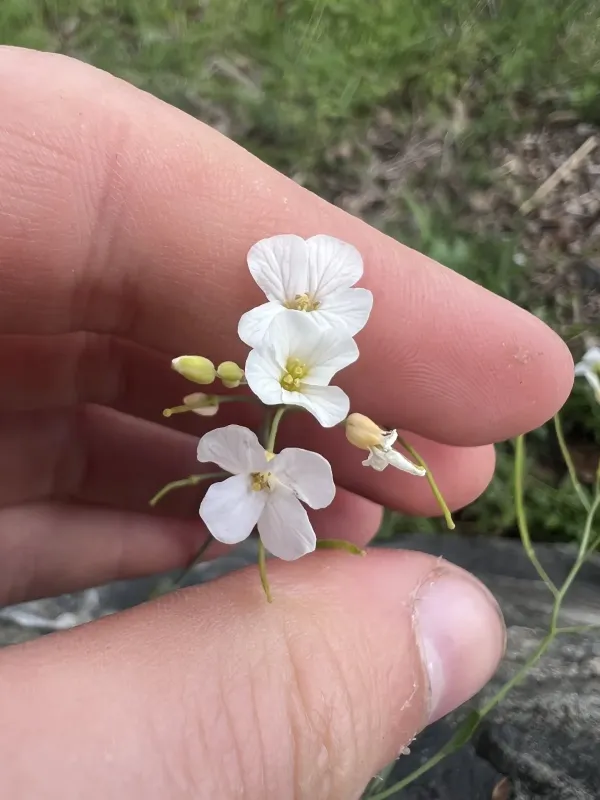
Description
Sowing dates
Arabidopsis lyrata is a perennial herbaceous plant belonging to the Brassicaceae family, often used in plant research and breeding.
For optimal results, seeds should be sown in the autumn season to ensure they undergo the necessary cold stratification period before spring germination.
The seeds are exceptionally small and should be scattered over the soil surface, requiring only a light dusting of substrate to prevent them from drying out.
Maintaining a consistent moisture level during the first three weeks post-sowing is critical for achieving a high success rate of seedling emergence.
When sowing in controlled greenhouse conditions, use a sterile, well-draining potting mix to ensure uniform development of the seedlings.
Growing requirements
The species thrives in cool, well-drained soil environments, typically preferring sandy or rocky compositions that do not retain excess water.
Temperature management is crucial as the plant is highly cold-hardy, yet it performs best when protected from extreme heat during its vegetative stage.
Adequate sunlight exposure is a primary requirement, as the plant is heliophilic and tends to become stunted if grown in shaded conditions.
Soil pH should be monitored to remain within the neutral to slightly alkaline range to optimize nutrient uptake and overall plant vigor.
Regular but moderate watering is necessary; the goal is to keep the soil moist but never waterlogged to prevent rot of the sensitive taproot.
Main diseases and pests
Fungal pathogens such as downy mildew and various rust species pose a significant threat, especially during periods of high humidity and poor ventilation.
Root rot is a common issue caused by soil compaction or poor drainage, which can rapidly lead to the decline of the entire population.
Insect pests, particularly flea beetles and aphids, often target the young leaves and flower stalks, requiring integrated pest management strategies.
Monitoring for signs of nutrient deficiency or toxic accumulation is recommended to differentiate between abiotic stress and pathogen-driven damage.
Cultural control methods, including weed management and clearing debris, are essential for maintaining the health of the crop and preventing disease spread.