
Arabidopsis cebennensis
Arabidopsis cebennensis
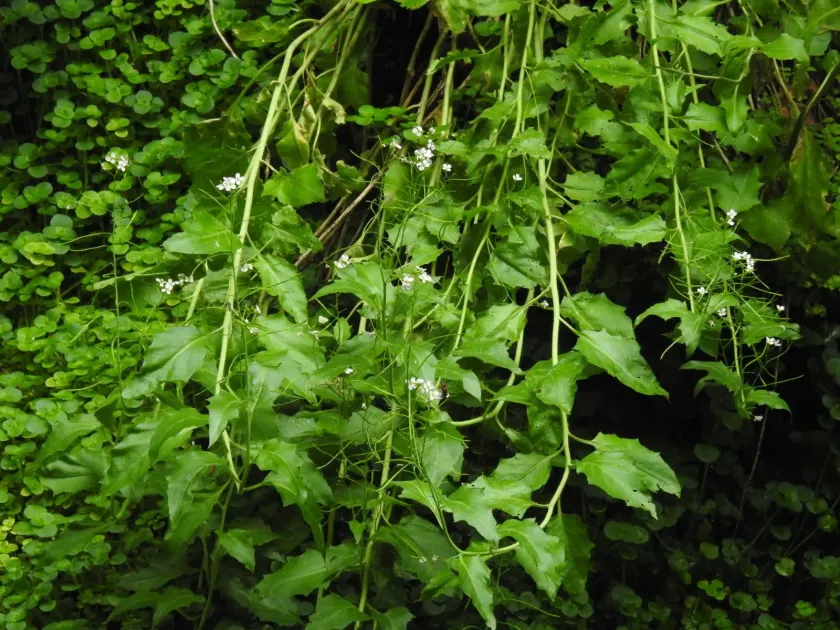
Description
Sowing dates
Arabidopsis cebennensis is typically propagated via seeds, which require specific conditions to break dormancy and ensure germination.
The most favorable period for sowing is autumn, allowing seeds to experience winter stratification, which mimics their natural mountain environment.
In nursery settings, seeds should be sown on the surface of a well-draining mineral-rich substrate to prevent burial too deep for sprouts.
Controlled germination requires a cool and steady climate, often matching spring temperatures ranging from 10 to 15 degrees Celsius.
Maintaining adequate moisture levels during the initial seedling stage is crucial, followed by a gradual reduction in watering as plants mature.
Growing requirements
This species belongs to the Brassicaceae family and is adapted to thrive in harsh, rocky terrains with minimal nutrient density.
Optimal growth requires full sun exposure, as the plant is sensitive to shading which can lead to elongated stems and reduced vigor.
Soil composition should ideally be sandy or gravelly, ensuring rapid water runoff to prevent root rot during the dormant winter months.
The plant demonstrates significant tolerance to cold and wind, making it suitable for high-altitude cultivation or specialized rock gardens.
Nutrient supplementation should be kept to a minimum to avoid promoting weak, succulent growth that is susceptible to environmental stress.
Main diseases and pests
Cruciferous pests, such as flea beetles, pose the most significant threat to the foliage, particularly during the early vegetative stages.
Fungal pathogens including Botrytis or various root rots can severely damage the plant population under conditions of high humidity.
Poor airflow between plants often serves as a catalyst for mildew development, which requires proactive thinning and spacing management.
Slugs and snails can be problematic in damper climates, often targeting tender young shoots that emerge after seasonal rains.
Regular monitoring of the growing area is essential for early detection of pest outbreaks, allowing for timely and localized intervention.