
Anubias hastifolia
Anubias hastifolia
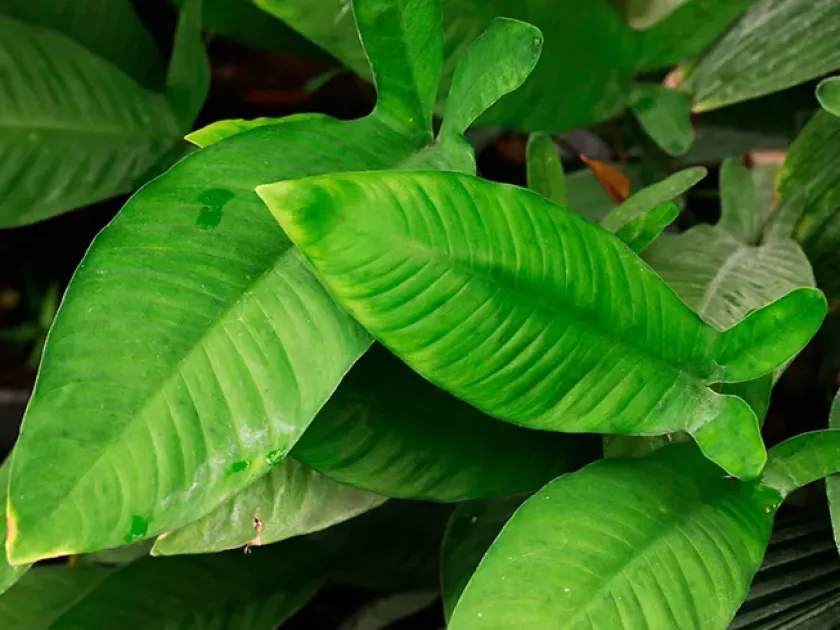
Description
Growing requirements
Anubias hastifolia is a striking aquatic plant belonging to the Araceae family, native to the tropical regions of West Africa, where it thrives in shaded, marshy riparian habitats along rivers and streams.
To successfully cultivate this species, aquarium water temperatures should be maintained between 22 and 28 degrees Celsius. Constant environmental conditions are essential, as this plant is sensitive to abrupt shifts in water chemistry.
The substrate should be porous and allow for good water circulation. It is recommended to attach the plant to driftwood or rocks rather than burying the rhizome deeply, as the rhizome is susceptible to rotting if covered by compact substrate.
Lighting requirements are moderate. Direct, intense light is detrimental to the plant, as it encourages the growth of nuisance algae on its broad, arrow-shaped leaves, which are slow-growing and difficult to clean.
Anubias hastifolia prefers slightly acidic to neutral water conditions with a pH range of 6.0 to 7.5. Consistent filtration and regular partial water changes help maintain optimal nutrient levels and prevent organic buildup.
Main diseases and pests
The most common threat to this plant is the colonization of the leaf surface by algae, such as black brush algae, which thrive under poor lighting management or unstable CO2 levels.
Rhizome rot is a significant risk often caused by improper planting techniques, specifically burying the rhizome in dense substrate, which prevents oxygenation of the roots.
Nutrient deficiencies, particularly regarding iron and potassium, can cause leaf chlorosis. This necessitates the use of high-quality aquatic fertilizers to ensure the plant maintains its deep green coloration.
Mechanical damage to the leaves or roots can leave the plant vulnerable to bacterial infections, especially in tanks with poor water circulation or high levels of organic waste.
Herbivorous fish species, such as large cichlids or certain types of snails, may graze on the tough leaves of the plant, causing unsightly holes and reducing the overall aesthetic value of the aquarium.