
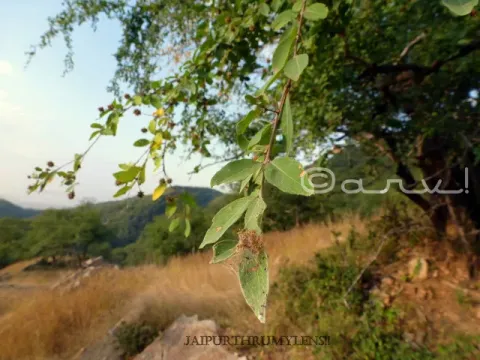
Anogeissus
Anogeissus
Anogeissus is a genus of trees in the Combretaceae family, widely recognized for its robust growth in tropical and subtropical regions of Asia and Africa.
What the section contains


Anogeissus
Propagation typically begins with collecting seeds from dense, globose fruit heads once they turn brown, indicating full physiological maturity.
Seeds should be sown in a well-drained substrate shortly after collection, as their viability decreases significantly if stored for extended periods.
In nursery environments, maintaining proper shade and moisture levels is crucial for the germination of seedlings until they reach a height suitable for field transplanting.
Transplanting is most successful at the onset of the rainy season, allowing the root system to establish itself before the arrival of the harsh dry months.
These trees prefer well-drained loamy or stony soils and exhibit excellent tolerance for poor nutritional substrates, making them suitable for land reclamation.
Anogeissus species are highly photophilous and require full sun exposure to develop straight, high-quality trunks suitable for timber production.
The optimal climate for growth includes warm tropical temperatures ranging between +25°C and +35°C, with a distinct seasonal rainfall pattern.
During the initial stages of establishment, seedlings require consistent monitoring to ensure they are not outcompeted by weeds or grasses in the area.
Sustainable agroforestry practices involve maintaining adequate spacing between trees to prevent nutrient competition and ensure optimal ventilation within the plantation.
The primary economic output of Anogeissus is its high-density timber, often marketed as 'ghat' wood, which is valued for its durability in tool handles and construction.
The trees also produce valuable gum, harvested through tapping the bark, which serves various industrial and traditional applications in food and medicine.
The leaves and bark are rich in tannins, providing a sustainable resource for the local leather tanning industry and traditional dye production.
Commercial maturity for timber production is usually achieved within a 20-year cycle, though this depends on local site productivity and genetic factors.
Regular maintenance, including selective thinning and canopy management, helps improve the overall yield of both wood and resinous products over time.
Boring insects, particularly longhorn beetle larvae, pose a significant threat to timber quality by creating tunnels within the main trunk of the tree.
Root rot caused by fungal pathogens can affect plantations with poor soil drainage, leading to significant seedling mortality during the early establishment phase.
Wildfires represent a major environmental risk, as young Anogeissus trees lack the thick, fire-resistant bark of mature specimens.
Defoliating insects can occasionally lead to widespread leaf damage, which hinders the tree's growth rate and reduces its resilience to environmental stress.
Integrated pest management strategies, such as maintaining healthy tree vigor and cleaning debris from the plantation floor, are essential for mitigation.