
Anogeissus latifolia
Anogeissus latifolia
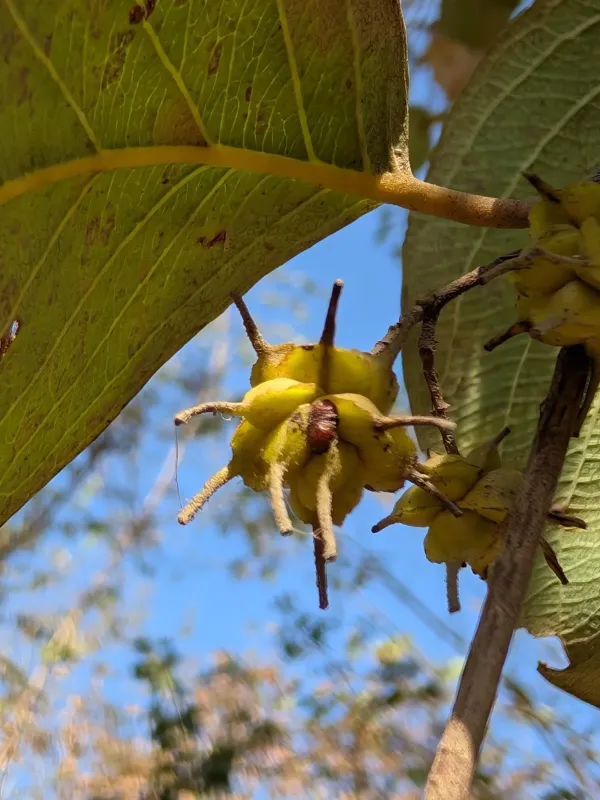
Description
Growing requirements
Anogeissus latifolia is a prominent deciduous tree species belonging to the Combretaceae family. It is widely recognized for its robust growth habit, often reaching significant heights of up to 30 meters in its native habitat within the dry deciduous forests of India and Southeast Asia.
The tree is exceptionally well-adapted to tropical climates characterized by distinct wet and dry seasons. It thrives in regions with annual rainfall ranging from 600 mm to 1500 mm, demonstrating remarkable resilience during prolonged periods of water scarcity.
In terms of soil requirements, the species prefers deep, well-drained loamy soils but can adapt to various conditions including rocky or gravelly terrains. Proper site preparation is essential for successful establishment, ensuring adequate soil aeration to prevent water stagnation at the root zone.
Cultivation practices primarily focus on planting during the monsoon season to capitalize on moisture availability. Seedlings are typically raised in nurseries under controlled conditions before transplantation, as direct seeding often yields inconsistent germination rates due to natural dormancy.
Economic utility is extensive; the timber is renowned for being extremely hard, heavy, and durable, making it ideal for high-stress applications such as agricultural tools and construction. Furthermore, it serves as a critical source of Ghatti gum, a natural exudate used in food and pharmaceutical industries.
Main diseases and pests
Root rot, primarily caused by various soil-borne fungal pathogens, remains a significant threat to the health of these trees, especially in poorly drained sites. This condition often results in rapid canopy decline and sudden tree death if left unmanaged.
Borer insects represent a major pest problem for Anogeissus latifolia plantations. These larvae tunnel into the sapwood and heartwood, significantly compromising the structural integrity of the timber and providing entry points for secondary fungal infections.
Defoliating caterpillars can cause severe damage during peak infestation seasons. By stripping the foliage, these pests reduce the tree's photosynthetic capacity, which leads to stunted growth and reduced vigor, particularly in younger specimens susceptible to environmental stress.
Parasitic plants, most notably mistletoe species, frequently infest the canopy, drawing moisture and nutrients from the host. This parasitic relationship weakens the host branches, eventually leading to dieback if the parasites are not periodically pruned.
Large herbivore populations can also pose a threat to new plantations. Controlled grazing and the installation of protective barriers are necessary strategies to prevent mechanical damage to bark and terminal shoots during the early stages of forest development.