
Broomsedge bluestem
Andropogon virginicus L.
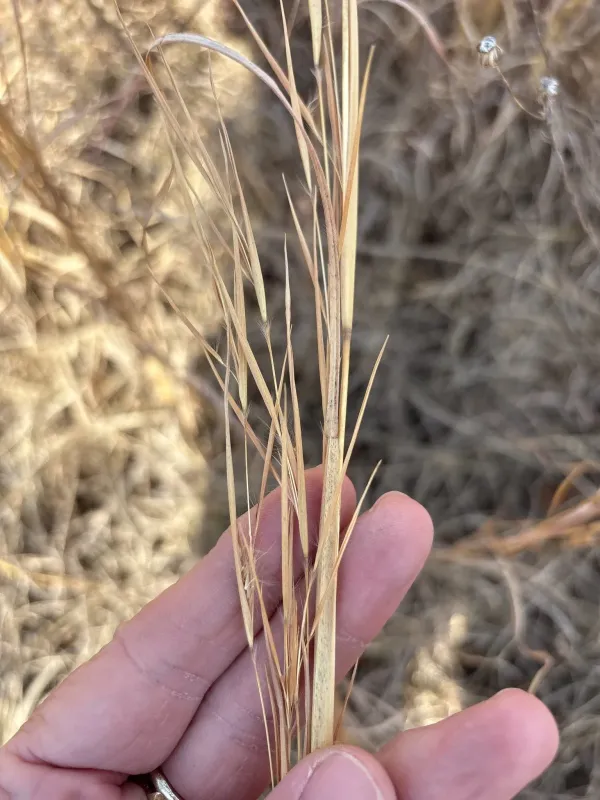
Description
Sowing dates
Broomsedge bluestem is a perennial grass that should be sown in the spring once the soil has sufficiently warmed. The seeds are highly adaptable, but success depends on preparing a high-quality seedbed for optimal germination.
The ideal period for planting is after the risk of late frosts has passed, as young seedlings are sensitive to sudden temperature shifts. In temperate climates, sowing is typically scheduled for April or May.
A crucial factor during sowing is seed depth, which should not exceed 1-2 centimeters. Placing seeds too deep into the soil can cause delayed germination or total failure due to the seedlings' lack of energy to emerge.
Seeding density should be determined by the intended use of the site. For creating forage pastures or restoring eroded lands, a seeding rate that ensures rapid stand establishment is recommended.
After sowing, it is advisable to lightly roll the soil. This ensures firm contact between the seeds and the soil, promoting even moisture absorption, which is critical for the germination of this grass species.
Growing requirements
Belonging to the Poaceae family, this crop is a warm-season plant. It thrives in well-drained, dry, or medium-moisture soils and demonstrates remarkable resilience in low-fertility conditions.
Broomsedge bluestem effectively colonizes acidic and depleted lands where other grass species struggle to survive. Consequently, it is frequently utilized for the reclamation of degraded areas and pastures.
The plant possesses a well-developed root system, allowing it to withstand short-term droughts. However, for maximum biomass productivity, the crop requires adequate sunlight and moderate moisture during the active growing season.
The crop does not tolerate waterlogging or marshy ground. In conditions of high soil moisture, the root system is prone to rot, leading to a significant deterioration in the overall health of the stand.
- High adaptability to soil pH levels between 4.5 and 7.5.
- Preference for open, sunny sites without shade.
- Tolerance for low nitrogen soil conditions.
Yield
The green biomass yield of Broomsedge bluestem directly depends on mineral nutrition and water availability during the first half of the season. Under favorable conditions, the crop can produce a significant amount of dry matter.
Peak biomass is achieved during the flowering phase. However, because the stems become rigid as they mature, it is vital to adhere to harvesting schedules to maintain acceptable forage quality for livestock.
In natural settings, yields can be limited by the inherent fertility of the soil. Intensive application of phosphorus and potassium fertilizers can significantly increase productivity on marginal grazing lands.
Seed harvest outcomes depend on the uniformity of panicle maturation. For commercial seed production, specific desiccation technologies are used to prevent grain shedding during the post-maturity stage.
When used as a groundcover crop, yield is evaluated based on the speed of biomass accumulation to create a protective mulch layer, which prevents erosion and improves soil structure.
Main diseases and pests
Broomsedge bluestem is considered quite resistant to classic grass diseases. However, in conditions of high humidity, the plants may be susceptible to fungal infections such as leaf rust and powdery mildew.
Pests rarely cause critical damage to crops due to the plant's tough, rigid stems and specific chemical composition. Nevertheless, in certain regions, activity of grass aphids and various grain bugs may be observed.
The primary threat to plantations is competition from weeds during early developmental stages. It is essential to ensure clean fields during this period to prevent more aggressive weeds from suppressing the bluestem seedlings.
Improper agricultural management, specifically excessive irrigation or waterlogging, can trigger root rot. Management involves optimizing drainage systems and maintaining correct seeding rates to prevent overcrowding.
Chemical protection for Broomsedge bluestem fields is rarely required. Agronomic focus is primarily placed on prevention, which includes proper crop rotation and thorough soil preparation before planting.