
Hall's bluestem
Andropogon hallii Hack.
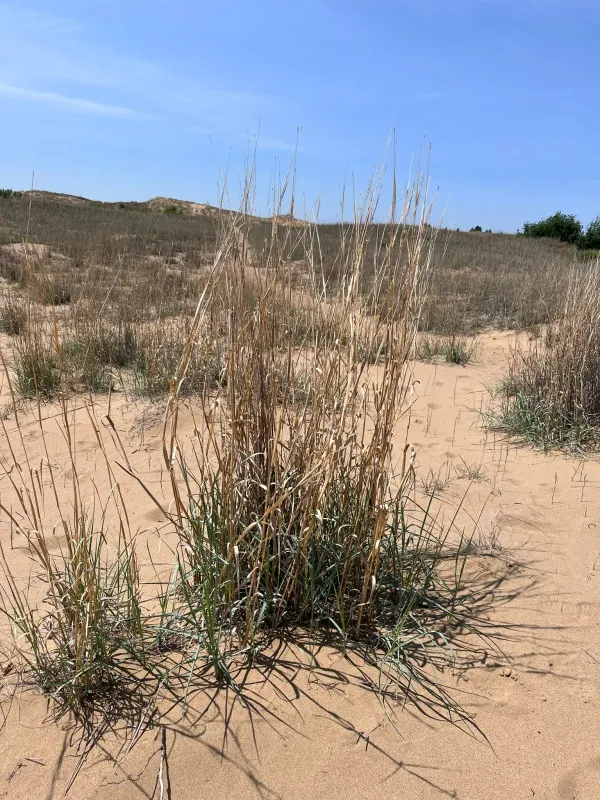
Description
Sowing dates
Hall's bluestem (Andropogon hallii), also known as sand bluestem, is a warm-season perennial grass belonging to the Poaceae family. Sowing is best performed in the spring once soil temperatures reach at least 15-18 degrees Celsius, ensuring optimal conditions for germination.
The seeds are small and require a firm, moist seedbed to successfully establish. Direct drilling into undisturbed soil or a lightly prepared seedbed is recommended to maintain moisture and prevent soil erosion during the early growth stages.
Seeding rates typically range from 5 to 10 kg per hectare, depending on the purity of the seed lot and the desired stand density. Because the seeds often have fuzzy appendages, specialized equipment may be needed for even distribution.
Planting depth should be kept shallow, generally between 1 to 2 centimeters. Proper seed-to-soil contact is critical, and rolling the field after sowing can significantly improve germination rates by enhancing capillary water movement.
During the first year, plants invest heavily in root development rather than above-ground biomass. Providing a weed-free environment during this initial establishment phase is essential for long-term stand success and productivity.
Growing requirements
Hall's bluestem is highly adapted to sandy, well-drained soils where other forage crops struggle. It is a key species for land reclamation and stabilizing sandy dunes due to its extensive, deep-reaching rhizomatous root system.
The plant demonstrates remarkable drought tolerance, thriving in arid and semi-arid climates. Its physiology allows it to maintain metabolic processes even under extreme water deficit, making it a reliable crop for sustainable rangeland management.
Sunlight is a critical requirement for this species; it performs best in full, unobstructed sun. Shading significantly inhibits the plant's ability to accumulate reserves in its rhizomes, which can lead to stand thinning over time.
The species prefers neutral to slightly acidic soils. It shows excellent tolerance to soil conditions that are often considered marginal for conventional agriculture, including low nutrient availability and moderate salinity levels.
Cold hardiness is another notable trait, as the plant remains dormant during winter months in colder regions. Its ability to survive significant frost makes it suitable for expansive cultivation in temperate continental climates.
Yield
The forage yield of Hall's bluestem is highly dependent on precipitation and nitrogen availability. Under favorable conditions, the crop can produce between 3 to 5 tons of dry matter per hectare annually.
Peak production usually occurs from the third year onward, once the sod is fully established. While the plant is inherently adapted to low-fertility soils, nitrogen application can significantly increase biomass output for hay production.
As a pasture plant, it provides high-quality forage throughout the growing season. Managed rotational grazing is the most effective strategy to maximize yield and ensure the longevity of the plant community.
Nutrient quality remains high during the vegetative stage but decreases as the plant enters the flowering phase. Early harvesting ensures that the forage maintains higher protein content and digestibility for livestock.
In addition to forage, the yield of seed is an important secondary product. Mature stands can produce significant quantities of seed, which is valuable for conservation projects and ecosystem restoration efforts.
Main diseases and pests
Hall's bluestem is recognized for its general hardiness and resistance to common pests and diseases. This attribute reduces the need for chemical interventions, making it an excellent candidate for low-input agricultural systems.
The most significant threat to this species is excessive soil moisture or poor drainage, which can lead to crown and root rot. Maintaining adequate soil aeration is crucial to prevent the development of these fungal pathogens.
Insects like grasshoppers may cause localized damage during extremely dry seasons when other forage sources are depleted. However, infestations rarely reach levels that require control, as the plant's rapid recovery capacity often offsets minor damage.
Rust diseases can occur under conditions of high humidity and stagnant air. Providing good airflow through proper management of stand density helps mitigate this risk, ensuring the plants stay healthy and productive.
Monitoring the fields for early signs of disease is recommended. By avoiding overgrazing and ensuring healthy growth conditions, the risk of pathogen outbreaks is kept to a minimum in established fields.
Harvesting
For hay production, harvesting should take place at the early heading stage to capture the best balance between biomass volume and nutritional quality. Delaying the harvest leads to lignification and reduced intake for livestock.
A cutting height of at least 10 centimeters is necessary for the regrowth of the plant. Since the regenerative buds are near the base of the stem, cutting too low can severely damage the stand and reduce future yields.
Field curing requires frequent tedding to reduce moisture content efficiently. Ensuring the hay is dry enough before baling prevents spoilage and mold development, preserving the quality of the fodder for winter feeding.
Seed harvesting requires patience until the panicles reach physiological maturity. Combine adjustments for wind and rotor speed are critical because the seeds are light and prone to blowing away during the threshing process.
Post-harvest residues, such as straw, serve as excellent soil mulch or can be used for bioenergy applications. Utilizing every part of the harvest ensures that the cultivation of Hall's bluestem remains both ecologically and economically viable.