
Ananas lucidus
Ananas lucidus Mill.
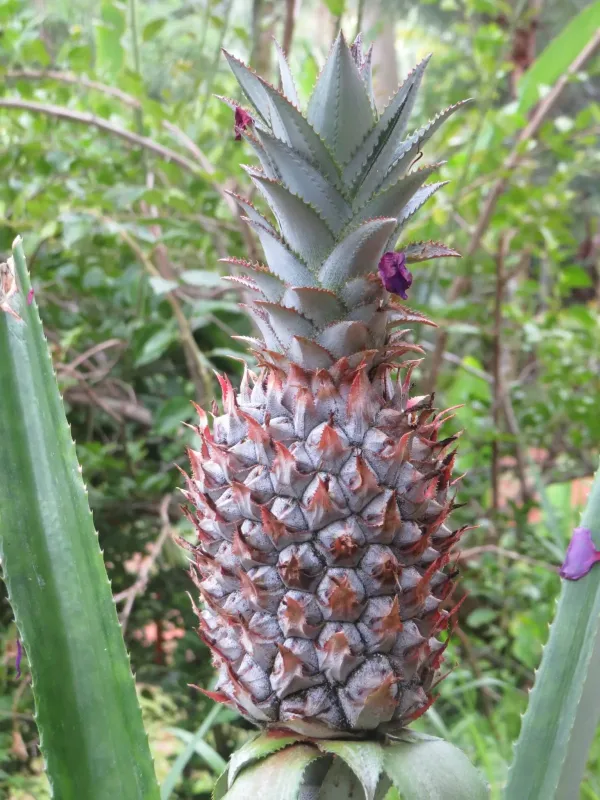
Description
Growing requirements
Ananas lucidus, commonly known as a wild pineapple, is a perennial herbaceous plant belonging to the Bromeliaceae family. Unlike the common pineapple, this species is primarily cultivated for its high-quality, durable fibers found in its long, glossy leaves.
The species originates from the tropical rainforests and savannas of South America. It thrives in high-temperature environments and is strictly limited to tropical or subtropical zones where frost is non-existent throughout the year.
Optimal growth requires consistent warmth, ideally between 22 and 28 degrees Celsius. The plant prefers environments with high atmospheric humidity, mirroring the conditions of its native Amazonian habitat.
Soil requirements for Ananas lucidus are specific: it necessitates well-draining, loose, and slightly acidic soil with a pH ranging from 5.0 to 6.0. High organic matter content in the substrate significantly boosts the plant's growth rate and fiber quality.
Agricultural propagation is typically achieved through vegetative means, such as the use of suckers or slips. This method ensures the uniformity of the crops and allows for efficient establishment of large-scale plantations.
Yield
The primary economic value of Ananas lucidus lies in its leaf fiber production. This material is prized for its tensile strength and flexibility, making it a sustainable choice for textiles, cordage, and specialty crafts in local industries.
Yields are maximized through consistent maintenance and proper plant density. Regular harvesting of mature leaves while ensuring the health of the central rosette is key to achieving sustainable annual productivity.
The plantation management includes periodic rotation to maintain soil fertility and plant vigor. After a few years of high production, plants may show signs of exhaustion, necessitating the replanting of fresh, vigorous stock.
Beyond fiber production, the plant serves an aesthetic purpose. Its vibrant, glossy foliage is a popular choice for ornamental landscaping in tropical climates, adding a unique texture to botanical gardens and parks.
Future agricultural prospects involve optimizing extraction techniques to increase fiber yield. As global interest in natural, biodegradable materials grows, the potential for Ananas lucidus as a commercial crop continues to expand.
Main diseases and pests
The most significant threat to Ananas lucidus is the onset of fungal root rot, which typically stems from poor soil drainage or waterlogged conditions. Preventing standing water is critical for maintaining a healthy root system.
Pest pressures primarily include mealybugs and spider mites, which feed on the sap of the succulent leaves. These infestations can drastically weaken the plant and reduce the mechanical quality of the resulting fibers.
Viral infections, often spread by aphids or other insect vectors, pose a challenge, leading to symptoms like yellowing, mosaic patterns, or stunted growth. Using certified disease-free planting material is the primary defense strategy.
Integrated Pest Management (IPM) is recommended to mitigate risks without over-relying on synthetic chemicals. Regular scouting and removing infected plants help prevent the spread of diseases within the plantation.
Proper nutritional balance is essential for defense, as plants with sufficient nutrients are naturally more resilient against both pathogenic fungi and insect herbivores.