
Pineapple
Ananas comosus x Ananas macrodontes
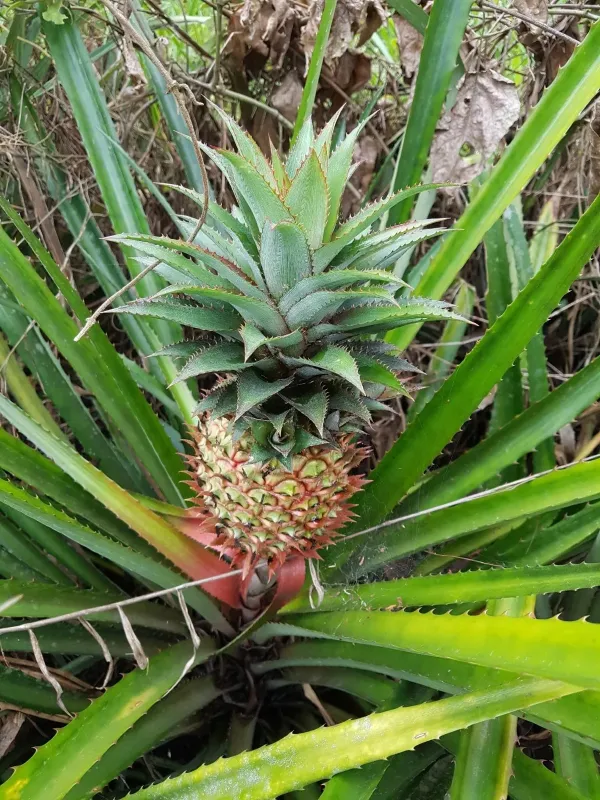
Description
Sowing dates
Pineapple (Ananas comosus) is a perennial herbaceous plant belonging to the Bromeliaceae family. In commercial agricultural practice, it is propagated vegetatively using slips, suckers, or crowns, ensuring that the offspring retain the specific characteristics of the parent variety.
Preparation of the planting material involves allowing the cut ends to dry for several days in a shaded area. This healing process is critical to prevent rot and soil-borne diseases from entering the plant through the fresh wound after planting.
The timing of planting is heavily dependent on the local climate and rainfall patterns. In tropical regions, planting usually coincides with the beginning of the wet season to ensure sufficient soil moisture for rapid root development.
In controlled greenhouse environments, pineapples can be planted year-round. This flexibility allows for staggered production cycles, ensuring a consistent supply of fruit to the market through careful management of light and temperature.
Planting density is determined by the intended end use and the machinery available for maintenance. A standard double-row configuration is commonly used, which optimizes space while allowing air circulation and easy access for workers during harvest.
Growing requirements
Pineapples are sun-loving, tropical plants that thrive in temperature ranges between 22°C and 30°C. They are highly sensitive to cold; temperatures falling below 15°C severely inhibit growth, and frost can result in total crop failure.
The ideal soil for pineapple cultivation is light, friable, and well-drained, with a slightly acidic pH between 4.5 and 5.5. Good drainage is non-negotiable, as the roots are highly susceptible to oxygen deprivation in waterlogged soil.
While pineapples are drought-tolerant due to their succulent nature, supplemental irrigation is necessary for commercial yields. Precision irrigation systems, such as drip lines, help maintain consistent soil moisture without saturating the root zone.
Nutrient management is focused on providing adequate levels of nitrogen for vegetative growth and potassium to improve fruit size and sweetness. Micronutrients, especially iron, must be managed carefully in soils with higher pH levels.
Proper field layout is essential for ensuring good airflow around the plants. This prevents the buildup of excessive humidity, which can lead to fungal outbreaks and slow the drying of foliage after rainfall.
Yield
Commercial pineapple plantations typically yield between 40 to 80 tonnes per hectare, depending on the planting density and the intensity of the agronomic management practices employed by the farm.
The time from planting to the first harvest is generally 12 to 18 months. Modern farming techniques often involve the use of ethylene or other growth regulators to force synchronous flowering, ensuring that the majority of the crop matures simultaneously.
Quality control at harvest is focused on fruit weight, sugar content (Brix level), and the uniformity of the fruit's color. Consumers prefer uniform, symmetrical fruits with a fresh green crown and a firm, vibrant skin.
The productive life of a plantation usually lasts through two or three cycles of harvest. Over time, the quality and size of the fruit decrease, prompting farmers to clear the land and replant to maintain production standards.
Global trade depends on high-quality hybrids such as MD2, which are selected for their superior shelf life, resistance to bruising during transport, and consistent flavor profile, making them ideal for international markets.
Main diseases and pests
Mealybugs (Pseudococcidae) are significant pests in pineapple farming, as they feed on plant sap and serve as vectors for mealybug wilt-associated viruses, which can cause devastating losses to entire plantations.
Root-knot nematodes are common soil-borne pests that damage the root system, leading to stunted growth and nutrient deficiencies. Soil fumigation or the use of cover crops can help mitigate these infestations before planting.
Phytophthora root and heart rot are lethal fungal diseases triggered by excessive soil moisture and poor drainage. Once established, these diseases are difficult to treat, making preventative soil management the primary defense.
Effective integrated pest management (IPM) is crucial. This involves the use of clean planting stock, regular monitoring of insect populations, and the selective application of biological or chemical controls to keep pest levels below economic thresholds.
Maintaining field hygiene by promptly removing weeds and diseased plant debris helps disrupt the life cycles of pathogens and pests, reducing the overall disease pressure on the plantation throughout the season.
Harvesting
Harvesting is a manual process because pineapples are soft-skinned fruits that bruise easily. Harvesters evaluate the fruit's ripeness by checking for the change in the base color, indicating the accumulation of natural sugars.
Once picked, the fruits must be handled with extreme care and placed gently into containers. Any mechanical impact results in internal bruising that leads to rapid deterioration and fermentation once the fruit is stored or shipped.
Post-harvest handling involves cleaning, grading, and sometimes waxing the fruit to minimize water loss and slow down respiration. This extends the commercial window for selling the fruit in retail environments.
The fruit is categorized by weight and size classes to meet the specifications of different international retailers. Proper sorting ensures consistency, which is vital for maintaining high market prices and consumer trust.
Cold chain management is essential for export. Maintaining temperatures near 8–10°C during transport slows the metabolic rate of the fruit, ensuring it arrives at the destination with optimal quality and freshness.