
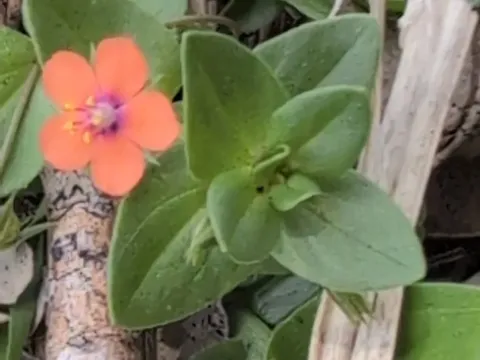
Anagallis
Anagallis
Anagallis, commonly known as pimpernel, belongs to the Primulaceae family. While frequently classified as a weed in agricultural settings, understanding its lifecycle is vital for effective field management.
What the section contains

Anagallis
The germination of Anagallis seeds typically occurs in early spring as soil temperatures rise to 5–8 degrees Celsius. The species exhibits high biological plasticity, with seeds capable of sprouting throughout the growing season.
For intentional cultivation, seeds are sown in open fields or pots during the mid-spring. Given their tiny size, they should be barely covered with soil, as they require light exposure to initiate successful germination.
Maintaining proper spacing is crucial to prevent the plant from forming dense mats that could compete with primary crops for water and mineral resources.
The seeds can remain viable in the soil for several years, forming a significant soil seed bank that requires consistent monitoring and mechanical control in rotation cycles.
Anagallis prefers loose, well-drained loamy or sandy soils that remain consistently moist without waterlogging. Good aeration is essential for the healthy development of its fibrous root system.
Full sun is required for optimal growth and flowering. In shaded conditions, the plant tends to become spindly and produces fewer flowers, significantly reducing its vitality.
The plant thrives in neutral to slightly acidic soil conditions. Excessive compaction of the soil surface inhibits its spread and reduces the overall biomass during the vegetative stage.
Anagallis is sensitive to competition; it performs best in environments where it does not have to struggle against aggressive, taller invasive species for light access.
Temperature-wise, it prefers mild conditions. While it is hardy enough to survive cool spring nights, extreme heat and prolonged droughts can stress the plant and temporarily stop its development.
The most common diseases affecting Anagallis are powdery mildew and various leaf spots, which typically appear during periods of high humidity and poor air circulation.
Aphids represent the primary insect pest, colonizing the stems and buds to extract sap. This leads to stunted growth and increases the plant's susceptibility to secondary viral infections.
Spider mites are another significant threat, particularly in hot and dry climates. They cause discoloration and necrosis of the leaves, which can quickly lead to the death of the plant.
In agricultural systems, management is centered on mechanical tillage and timely hoeing to eliminate young seedlings before they develop a deep root system or set seeds.
It is important to note that Anagallis can be toxic to livestock due to the presence of saponins. Consequently, controlling its proliferation on grazing pastures is a priority for farm safety.