
Scarlet pimpernel
Anagallis arvensis
Description
Growing requirements
Scarlet pimpernel (Anagallis arvensis) is an annual herbaceous plant belonging to the Primulaceae family. Originally native to Europe, Western Asia, and North Africa, it has become a cosmopolitan weed found across most temperate and tropical regions of the world.
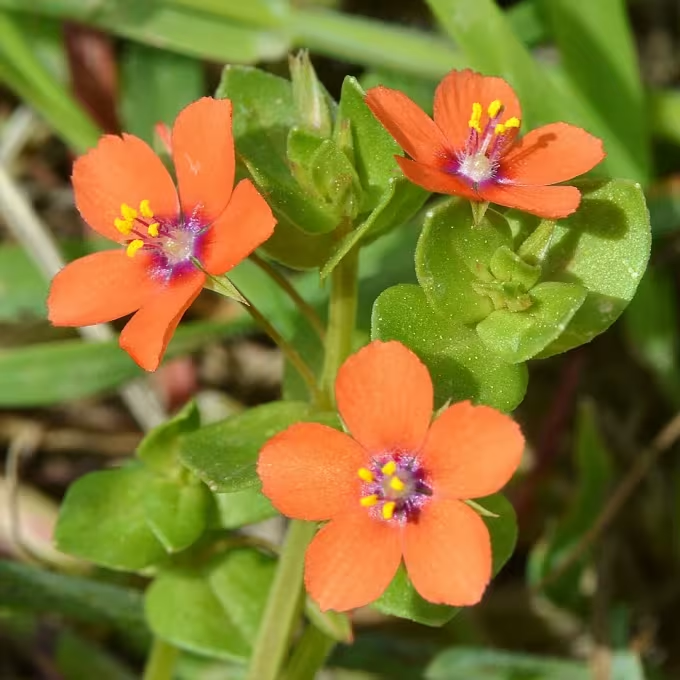
The plant is characterized by its trailing stems and small, bright red, orange, or sometimes blue flowers. Its botanical name Anagallis refers to its ability to open and close in response to weather conditions, a trait that makes it a natural barometer in agricultural fields.
It thrives best in open, well-cultivated, and moist soils with high fertility levels. It is a common invader of vegetable gardens, orchards, and cereal crop fields, where it quickly establishes itself due to its rapid life cycle and prolific seed production.
Effective agricultural management of Anagallis arvensis requires a combination of mechanical and chemical methods. Shallow cultivation during the seedling stage is highly effective, as the plant has a relatively shallow root system and does not regenerate well from underground plant parts.
Growers should monitor the fields closely during spring and autumn, as the seeds germinate readily under moist conditions. Consistent maintenance of crop density and proper row spacing helps shade out the weed, significantly reducing its competitive advantage over crops.
Main diseases and pests
While Scarlet pimpernel is not a primary vector for severe crop pathogens, its presence in large numbers can harbor soil-borne pests. Its main threat is the economic impact on yield caused by nutrient and water depletion in the crop root zone during the establishment phase.
The plant is known to contain toxic saponins which can cause gastroenteritis in animals if ingested in large quantities in fodder. Chemical control is typically managed using selective herbicides effective against broad-leaved weeds during the early vegetative growth stages of the primary crop.