
Alectryon subcinereus
Alectryon subcinereus
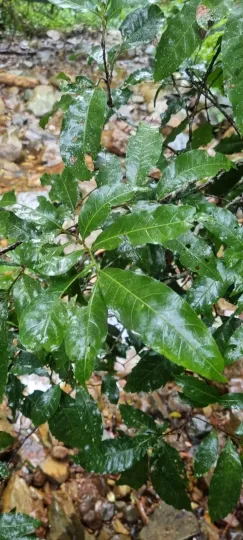
Description
Growing requirements
Alectryon subcinereus, commonly known as the native bird's eye, is an evergreen tree or large shrub belonging to the Sapindaceae family. It is native to eastern Australia, naturally occurring in habitats ranging from subtropical rainforests to dry sclerophyll forests.
This plant thrives in fertile, well-drained soils. In its natural environment, it adapts to various light conditions, though it performs best in positions where it receives adequate sunlight to maintain its dense foliage and healthy growth habit.
Regarding climate, Alectryon subcinereus prefers warm to temperate regions. While it exhibits some tolerance to mild frosts once established, it is best suited for climates where temperatures do not drop significantly below freezing for extended periods.
Soil requirements involve a preference for neutral to slightly acidic pH levels. Maintaining consistent moisture is beneficial, but the soil must be well-aerated to prevent waterlogging, which the plant does not tolerate well due to potential root health issues.
The cultural value of this species lies in its ornamental foliage and its importance as a food source for local birdlife. In garden settings, it is often utilized as a screening tree or a feature plant in native plant garden designs.
Main diseases and pests
Alectryon subcinereus is generally a resilient plant, yet it can be susceptible to fungal issues if cultural practices are ignored. Root rot caused by poor soil drainage is the most significant threat to the plant's overall longevity.
Common pests include sap-sucking insects like scales and aphids, which may cluster on new growth during the spring months. These can be managed through regular monitoring and appropriate horticultural oils if the infestation becomes severe.
Powdery mildew may occur on the leaves if the tree is planted in an area with poor airflow or consistently high humidity. Ensuring proper spacing between trees during planting can significantly reduce the risk of such foliar diseases.
Caterpillars and leaf-eating beetles may occasionally defoliate parts of the canopy. While usually not fatal to an established tree, these pests can impact the aesthetic quality of the foliage in high-value garden displays.
Maintaining clean gardening practices, such as sterilizing pruning tools and removing deadwood, helps prevent the spread of opportunistic bacterial infections. Protecting the bark from mechanical damage is also essential for maintaining plant health.