
Alectryon macrococcus
Alectryon macrococcus
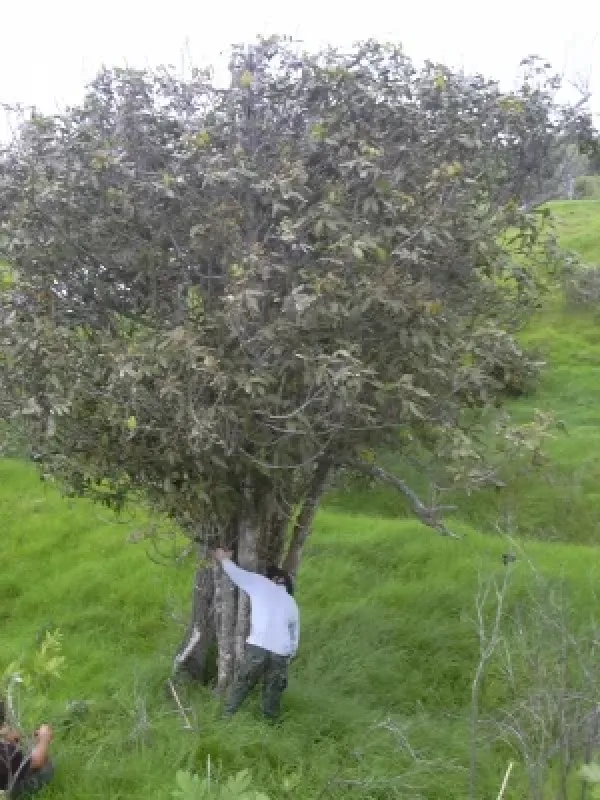
Description
Growing requirements
Alectryon macrococcus is a rare tree species belonging to the Sapindaceae family, native to the diverse ecosystems of the Hawaiian Islands.
This species naturally thrives in dry to mesic forest environments, typically found at elevations ranging from 300 to 1,000 meters above sea level.
The tree requires well-draining, volcanic soil types that provide essential nutrients while preventing waterlogging of the root system.
Climate preferences include stable tropical temperatures and specific precipitation patterns typical of leeward or protected mountain slopes.
Agricultural and conservation efforts focus on propagating the species in controlled nursery settings to support reintroduction into the wild.
Main diseases and pests
The primary threats to Alectryon macrococcus include the encroachment of invasive plant species that outcompete native flora for space and light.
Introduced ungulates, such as feral pigs and goats, pose a severe risk by damaging tree bark and consuming juvenile plants in their natural habitat.
Various insect pests can compromise the development of fruits and seeds, which limits the tree's natural ability to reproduce effectively.
Fungal pathogens associated with increased moisture or poor aeration can lead to root decay and overall decline in mature trees.
Human-induced activities, including land development and the increased risk of wildfires, significantly hinder the recovery of wild populations.