
Alectryon diversifolius
Alectryon diversifolius
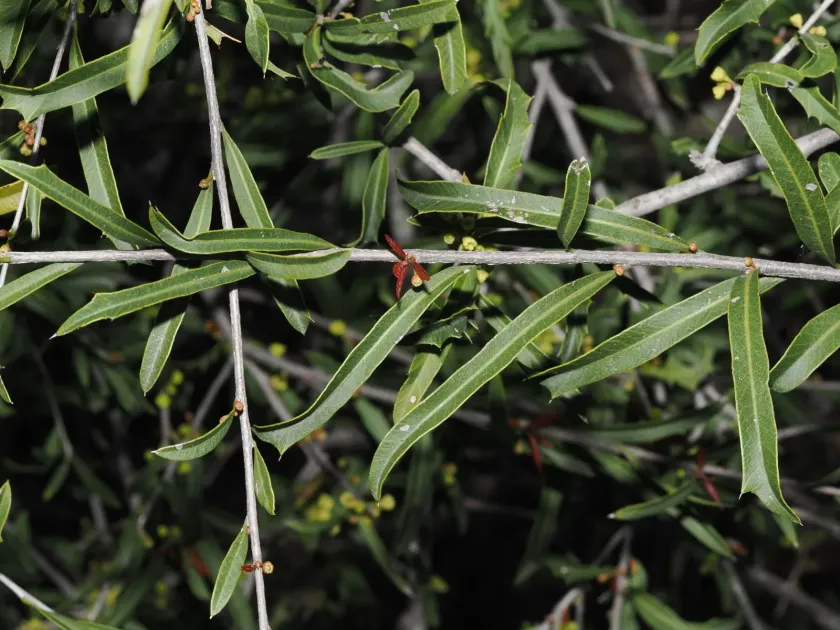
Description
Sowing dates
Alectryon diversifolius, a member of the Sapindaceae family, is typically propagated through seeds. Successful germination requires high-quality, fresh seeds and a well-structured growing medium.
The optimal sowing time occurs in the early spring. Seeds should be planted at a shallow depth to ensure adequate oxygen availability, which is critical for the initial stage of root emergence.
Moisture control is essential during the incubation period. The substrate must be kept consistently damp but not saturated to prevent the development of seed rot or fungal issues.
Patience is required as the germination process of this species can be slow. Maintaining a steady temperature between 22°C and 25°C will help create the best conditions for seedling development.
Once true leaves have fully expanded, the young plants should be carefully transplanted into larger containers to support the continued growth of their root systems.
Growing requirements
This species thrives in climates that mirror its native Australian habitat, which includes warm temperatures and avoidance of harsh frost. It is best suited for regions with mild winters.
Soil requirements focus on excellent drainage and aeration. Loamy or sandy soil types with a slightly acidic to neutral pH are generally preferred for optimal nutrient uptake.
Sunlight exposure is a significant factor in the health of Alectryon diversifolius. It benefits from bright, indirect light when young, and transitions to full sun as the tree matures.
Water management is critical. During the summer months, the tree requires frequent watering, but the soil must be allowed to dry slightly between waterings to maintain root health.
Applying balanced organic fertilizers throughout the growing season helps sustain growth. Providing sufficient micronutrients is key to preventing chlorosis and promoting vibrant leaf color.
Main diseases and pests
Scale insects and mealybugs represent the primary pest threats to Alectryon diversifolius. They tend to cluster along stems and the undersides of leaves, depleting the plant's resources.
Fungal pathogens often appear during periods of high humidity and poor air circulation. Symptoms often start as dark spots that can lead to defoliation if left untreated.
Effective pest control involves a combination of mechanical removal and the use of targeted systemic insecticides. Application should follow local safety guidelines for horticultural treatments.
Regular pruning is a vital cultural practice. By opening up the canopy, growers can improve airflow, which significantly reduces the risk of fungal outbreaks and pest colonization.
Monitoring the plants for signs of stress, such as yellowing leaves or stunted growth, allows for quick intervention, ensuring that the trees remain vigorous throughout the year.