
New Zealand titoki
Alectryon excelsus
Description
Growing requirements
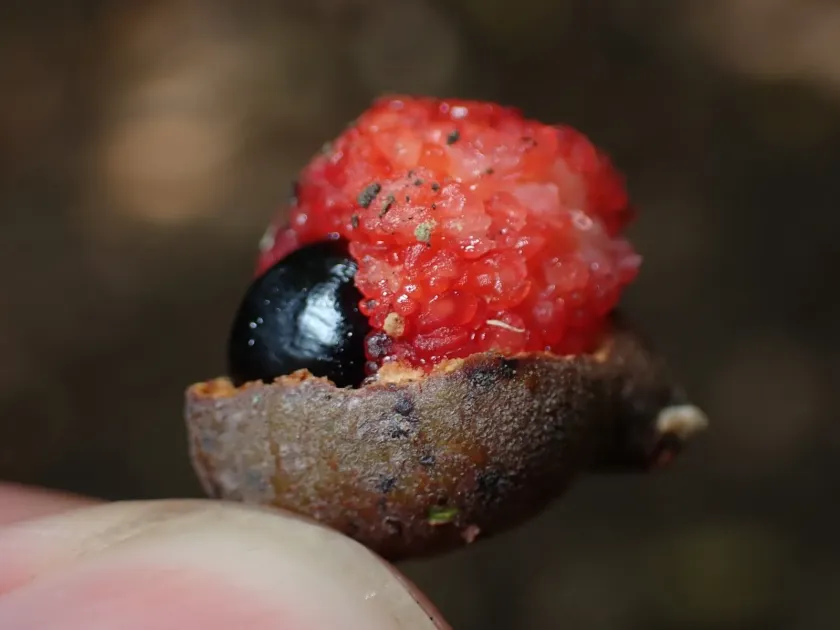
Alectryon excelsus, commonly known as Titoki, is an evergreen tree belonging to the Sapindaceae family. It is native to New Zealand and is highly regarded for its dense, glossy foliage and unique, bright-red seeds.
The species prefers a temperate climate with consistent moisture levels. While it is adaptable to various environments, it thrives best in sheltered positions that protect the tree from harsh, desiccating winds during the early establishment phase.
Titoki requires well-drained, deep soils enriched with organic matter. It exhibits a preference for slightly acidic to neutral soil pH, which supports optimal nutrient uptake and vigorous overall development.
Regarding agrotechnical practices, the tree benefits from mulch applications to preserve soil humidity. Pruning is typically performed to maintain the desired shape and to remove dead or diseased branches, promoting a healthier canopy.
In terms of usage, it is widely utilized for reforestation projects and urban street planting due to its aesthetic appeal and structural strength. Its fruit provides essential sustenance for local avian populations, supporting biodiversity.
Main diseases and pests
The primary pests affecting Alectryon excelsus include scale insects and mealybugs. These pests cluster on the undersides of leaves and stems, requiring systematic monitoring and, if necessary, targeted horticultural oil applications.
Fungal diseases such as leaf spot and root rot can occur in poorly drained areas or under conditions of stagnant airflow. Improving soil drainage is the most effective preventative measure against these infections.
Young plants are particularly vulnerable to browsing by invasive mammals, including possums and rabbits. Physical barriers like tree guards are recommended for establishing stands in open or wild areas.
Viral or bacterial cankers may occasionally affect older trees if they are under environmental stress. Maintaining overall tree vigor through adequate watering and balanced fertilization is crucial for resilience.
Integrated pest management (IPM) practices, including the promotion of beneficial predator insects, are the preferred approach for managing threats in larger nurseries or commercial plantations.