
Kamoji wheatgrass
Agropyron kamoji
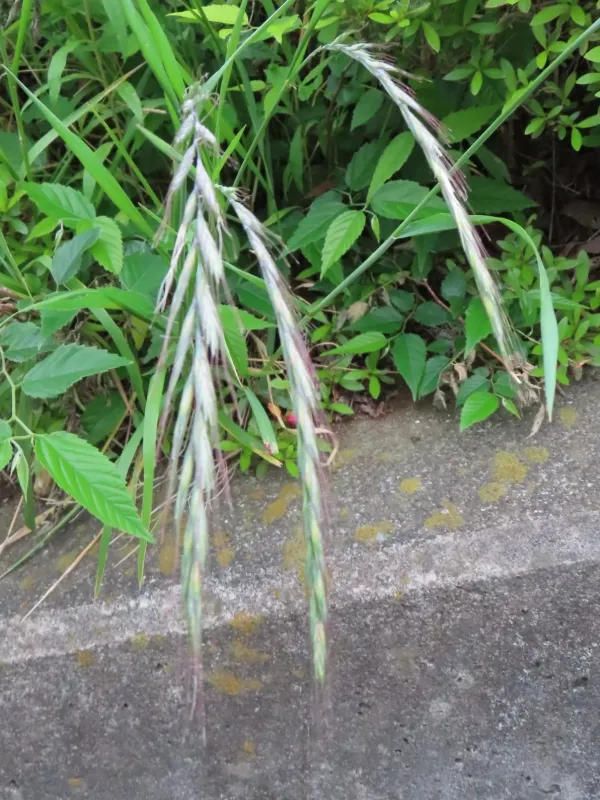
Description
Sowing dates
The optimal sowing time for Kamoji wheatgrass is early spring, when the soil moisture levels are high from winter snowmelt. Early establishment allows the root system to develop sufficiently before the heat of summer arrives.
Dormant seeding in late autumn is also a viable option in many climates, as it encourages natural stratification of the seeds. Seeds should be planted at a depth of 2–3 centimeters into a firm, well-prepared seedbed.
Seeding rates depend on the intended use of the crop, whether for hay production or permanent pasture establishment. Row spacing of 15–20 centimeters is generally recommended to ensure even development.
Compacting the soil surface after planting is a critical step to ensure good seed-to-soil contact. Uniform germination usually occurs within two weeks, provided the soil temperature is adequate for the species.
Initial growth during the first year is focused on the root system, so seedlings develop somewhat slowly. Vigilant weed control is necessary during the establishment phase to prevent competition.
Growing requirements
Kamoji wheatgrass belongs to the Poaceae family and is known for its remarkable adaptability. It thrives in diverse environmental conditions, showing excellent resilience to temperature fluctuations.
The crop prefers well-drained loamy or sandy-loam soils with a neutral pH, though it can tolerate a variety of soil types. It is particularly valued for its drought tolerance once the plants are fully established.
Adequate sunlight is essential for vigorous growth, as shade can significantly reduce biomass yield and stem quality. Selecting open, well-lit fields is crucial for successful cultivation.
With high winter hardiness, this species is well-suited for regions with cold climates. Its deep and extensive root system makes it an excellent choice for erosion control on slopes and degraded lands.
While hardy, the crop responds positively to nitrogen fertilization, which enhances vegetative growth and protein content. Balanced soil nutrients ensure the longevity and productivity of the stand.
Yield
Yield potential varies depending on management intensity and local environmental conditions. With proper fertilization and moisture management, this grass can produce multiple cuts per growing season.
The nutritional profile of the harvested biomass makes it a high-quality forage for ruminants. Its protein levels are consistently high when harvested at the correct phenological stage.
Productivity remains stable over a 5–7 year period, after which the stand may require renovation. Healthy stands provide a reliable source of high-quality feed throughout the crop's lifecycle.
In grazing scenarios, the grass demonstrates an excellent ability to recover after being grazed down. This resilience makes it ideal for long-term pasture management and rotational grazing systems.
Seed production requires specific management, focusing on harvest timing to minimize shattering. Yields are sufficient to support seed self-sufficiency on many agricultural operations.
Main diseases and pests
Kamoji wheatgrass has natural resistance to many common grass pathogens. However, high humidity can lead to fungal issues such as powdery mildew, which can be managed through proper field aeration.
Insect pests, including various aphids and grass-dwelling flies, can occasionally affect young seedlings. Monitoring the crop periodically helps to catch potential outbreaks before they impact yields.
Weed management remains the most significant hurdle during the first few months of growth. Utilizing high-quality, clean seeds is the first step in avoiding unwanted competition in the field.
Rodent damage is occasionally reported in some areas but is generally not a critical threat to established stands. Maintaining a clean field perimeter can help in discouraging these pests.
Cultural practices, such as proper crop rotation and not overstocking pastures, are key to preventing the buildup of pests and diseases in the long term.
Harvesting
Hay harvest should ideally occur during the booting to heading phase. Harvesting at this stage ensures the best balance between biomass volume and the nutritional quality of the forage.
Rapid drying is essential after cutting to maintain the green color and nutrient content of the hay. Tedding the cut material helps in even moisture evaporation and prevents spoilage.
Seed harvest is conducted when seeds reach full maturity. Proper adjustment of combine settings is necessary to avoid mechanical damage and ensure high germination rates for future seasons.
Post-harvest, seeds must be cleaned and stored in a cool, dry place to maintain viability. Proper storage conditions allow seeds to remain viable for up to three years.
Pasture management should involve rotating cattle between paddocks to allow for recovery time. This ensures that the grass can replenish its energy reserves and maintain long-term productivity.