
Ciliate wheatgrass
Agropyron ciliare
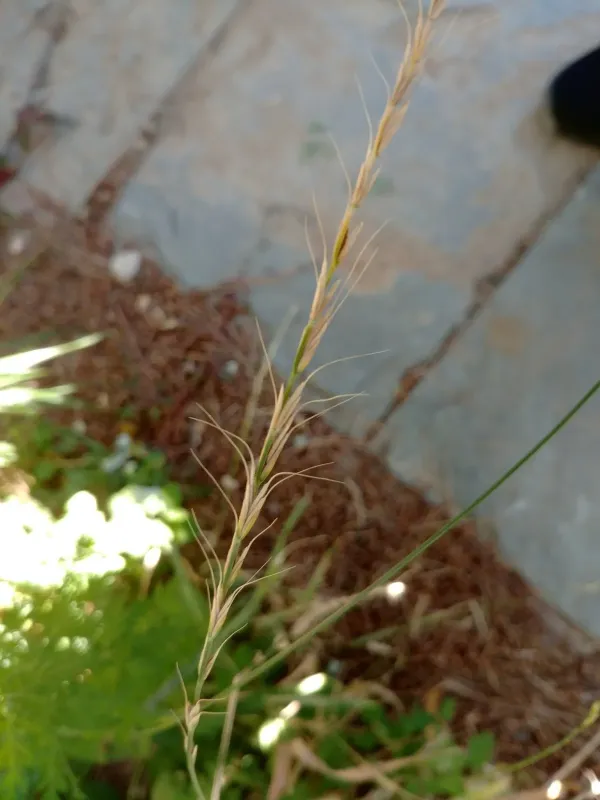
Description
Sowing dates
Ciliate wheatgrass, scientifically known as Agropyron ciliare, belongs to the Poaceae family. It is a robust perennial grass species favored for its hardiness and ability to thrive in diverse agricultural landscapes.
The optimal sowing time occurs in early spring or late summer, capitalizing on favorable soil moisture conditions. Consistent moisture during the germination period is critical to establish a strong root system before environmental stressors emerge.
Seeds should be sown using a standard drilling method at a depth of 2-3 cm. Proper row spacing, typically 15-20 cm, is recommended for forage production to balance biomass yield and plant development.
Post-sowing soil compaction using rollers helps optimize capillary water movement, improving germination rates. Given the initial slow development of seedlings, weed control is essential during the first season of growth.
As the stand matures, Agropyron ciliare becomes highly competitive, effectively suppressing weeds and forming a dense, sustainable vegetative cover that provides reliable yield over several seasons.
Growing requirements
This grass is well-regarded for its adaptability to varying climates, displaying high cold tolerance and resilience during seasonal droughts. It is particularly suited for regions where other forage species might struggle.
The species prefers fertile loamy or sandy soils with a neutral pH. It thrives in well-drained environments and is sensitive to waterlogged conditions, which can inhibit root aeration and plant health.
Strategic fertilization, particularly nitrogen, promotes vigorous growth and enhances the protein content of the forage. Regular soil testing helps maintain the nutrient balance required for long-term productivity.
It is a sun-loving species that performs best in open locations. Shading by trees or infrastructure can significantly decrease the photosynthetic rate and overall density of the stand.
Due to its deep root architecture, it is effective in soil stabilization and nutrient cycling. This makes it an excellent choice for planting on slopes prone to wind or water erosion.
Yield
The primary use of Ciliate wheatgrass is for hay and pasture production. Its green biomass is highly nutritious, providing essential fiber and protein required for the healthy development of livestock.
With proper management, the crop can maintain high yields for up to 7 years. Its longevity makes it a cost-effective choice for farmers looking to reduce the frequency of reseeding pasturelands.
When integrated into multi-species grazing systems with legumes, it contributes to a more balanced nutrient profile for ruminants. This interaction also benefits the soil through improved nitrogen fixation.
Beyond its forage utility, the plant serves as a vital component in erosion control projects. Its dense root network binds soil particles together, which is crucial for land reclamation and watershed protection.
Harvested at the right developmental stage, the forage is palatable and highly digestible, making it a staple for dairy and beef cattle operations, as well as sheep grazing programs.
Main diseases and pests
The primary diseases affecting this crop include rust and powdery mildew. Prevention focuses on avoiding excessive density and ensuring proper field ventilation to reduce humidity levels around the foliage.
Pests such as cereal flies and aphids can inflict damage on leaves and reproductive structures. Integrated pest management strategies, including the judicious use of insecticides, should be implemented if threshold levels are exceeded.
Root rot pathogens may thrive in soils with poor drainage. Selecting sites with good topography and implementing effective water management strategies are essential preventative measures against these threats.
Weed infestation is mainly a concern during the establishment phase. Once the stand is well-developed, its aggressive growth habit naturally discourages most weed invasion, minimizing the need for herbicides.
Continuous monitoring throughout the growing season is necessary to detect and address potential problems early, ensuring the long-term health and vigor of the perennial stand.
Harvesting
For high-quality hay, harvesting should coincide with the heading stage. At this phase, the plant offers the best ratio of vegetative biomass to nutritional value, ensuring optimal animal performance.
Seed production requires harvesting at the wax maturity stage. Direct or two-stage combining should be executed with precise equipment settings to minimize grain loss caused by the natural shattering of seeds.
After cutting, the biomass should be left in windrows for field curing, with regular turning to ensure uniform moisture reduction. Storing the hay at 15-17% moisture is ideal for preventing spoilage.
Rotational grazing systems are recommended to provide the plants with sufficient recovery time. This management practice preserves the stand's density and supports consistent biomass availability throughout the season.
Proper storage in dry, well-ventilated barns is crucial for maintaining the nutritional profile of the harvested hay until it is utilized in the winter feeding program.