
Dietes iridioides
Dietes iridioides (L.) Sweet ex Klatt
Description
Growing requirements
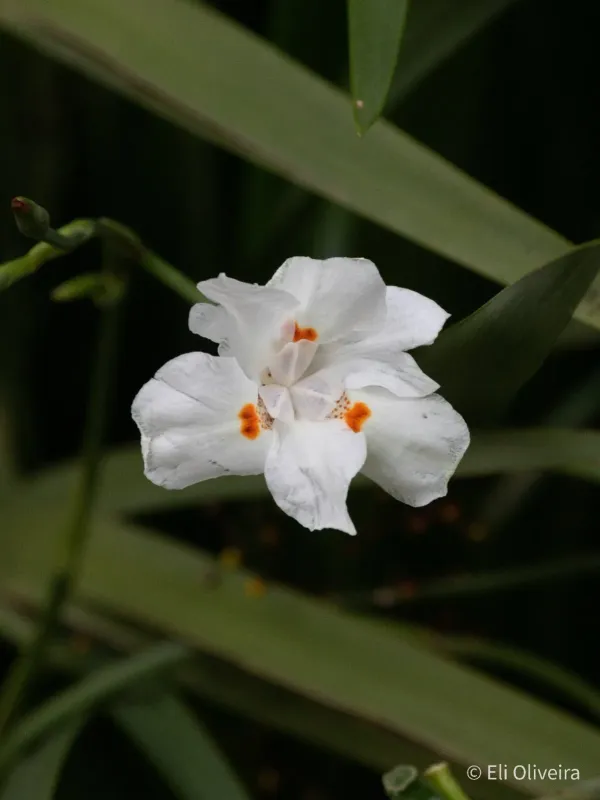
Dietes iridioides is a hardy perennial belonging to the Iridaceae family, native to southern Africa. It is characterized by its rhizomatous growth and evergreen, sword-shaped leaves that form dense, attractive clumps, making it a popular choice for structured garden beds.
The plant thrives in full sun to partial shade, showing remarkable adaptability to varying light conditions. While it prefers fertile, moist, and well-draining soil, it is known for its resilience and can tolerate periods of drought once the root system is well-established in the ground.
Cultivation practices involve regular irrigation during the growing season to support leaf development and bloom production. Proper soil drainage is critical to prevent the development of root rot, especially in heavy clay or poorly aerated growing conditions.
In landscaping, this species is widely used for erosion control on slopes, as well as in borders and mass plantings. Its low-maintenance nature makes it an ideal candidate for low-input sustainable gardening in temperate to subtropical climates.
Propagation is typically achieved through division of the rhizomes. This practice should ideally be conducted during the dormant period or early spring to ensure the plant establishes itself effectively before the onset of extreme summer temperatures.
Main diseases and pests
The primary agricultural threats to Dietes iridioides include fungal infections such as root rot and leaf spot, usually facilitated by excessive humidity and lack of ventilation. Implementing proper irrigation schedules and spacing plants adequately can significantly reduce these risks.
Pest issues are generally minimal, although aphids and spider mites can occasionally affect the foliage, especially in greenhouse environments or during extended dry spells. Monitoring the plant and applying appropriate horticultural oils or insecticides helps maintain plant vigor.