
Aeschynomene villosa
Aeschynomene villosa Poir.
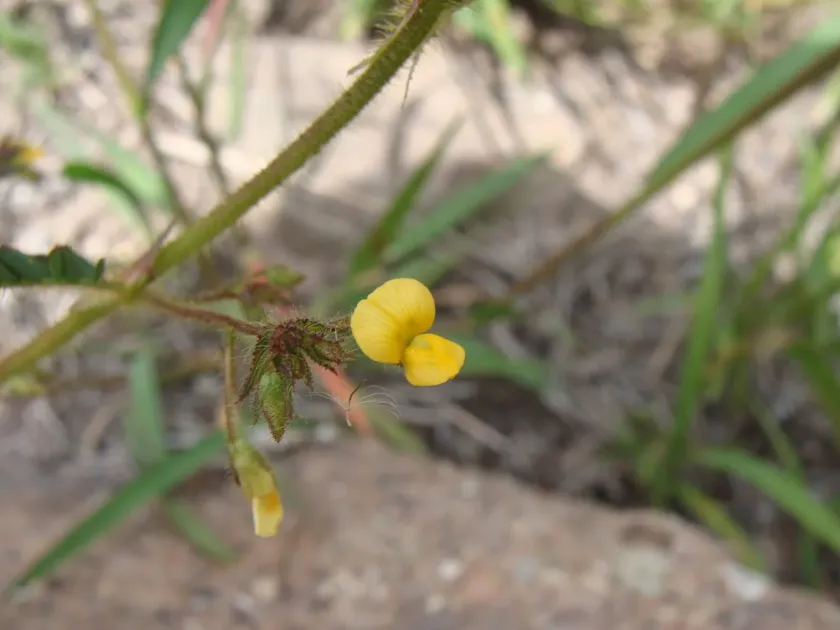
Description
Sowing dates
Sowing Aeschynomene villosa should take place after the soil has warmed up significantly and the threat of late spring frosts has completely passed. The ideal germination temperature ranges between 20 and 22 degrees Celsius.
The seeds of this plant feature a hard coat, so scarification is frequently recommended to enhance overall germination rates. Seeds should be sown at a shallow depth of 1–2 centimeters to ensure effective emergence.
The seeding rate varies based on the intended use, whether for hay production or pasture improvement. Generally, a rate of 5 to 10 kilograms per hectare is sufficient for most planting scenarios.
Initial growth is notably slow, which necessitates effective weed management during the establishment phase. Planting should be timed to avoid competition from fast-growing, aggressive weed species.
Once the plants reach a height of approximately 20 centimeters, their growth rate accelerates significantly. By this stage, they typically form a dense canopy that helps suppress competing vegetation naturally.
Growing requirements
As a member of the Fabaceae family, Aeschynomene villosa thrives in tropical and subtropical environments. It is well-adapted to high-moisture climates where rainfall is consistent during the growing season.
This crop is particularly noted for its high tolerance to waterlogged soils, where other legumes might fail. It performs exceptionally well in heavy clay soils, making it an ideal choice for challenging terrain.
Through its symbiotic relationship with nitrogen-fixing bacteria, the plant plays a crucial role in soil health. It adds valuable organic nitrogen to the ground, benefiting subsequent crops in a rotation cycle.
Exposure to full sunlight is essential for the plant to reach its full productive potential. Shaded conditions lead to reduced biomass production and a decline in the nutritional quality of the forage.
The plant demonstrates remarkable tolerance to acidic soil conditions, often thriving where others struggle. This characteristic makes it a valuable asset for reclaiming marginal and acidic tropical landscapes.
Yield
Productivity levels are heavily influenced by environmental factors such as soil fertility and water availability. Under favorable conditions, the crop produces a substantial quantity of high-quality biomass.
Primarily utilized as a forage crop, it provides excellent green feed or hay for livestock. The crude protein content in the dry matter usually ranges from 12% to 18%, ensuring high nutritional value.
The crop is highly valued for its regenerative capacity after grazing, making it an excellent choice for persistent pastures. It can sustain grazing pressure while maintaining productivity throughout the season.
Harvesting at the early flowering stage is recommended to maximize nutritional quality. Delaying the harvest leads to stem lignification, which reduces palatability and overall feed quality for livestock.
Due to its high seed yield, Aeschynomene villosa can effectively regenerate itself in a pasture setting, reducing the need for frequent reseeding and associated agricultural costs.
Main diseases and pests
Fungal diseases pose the primary risk, especially in areas with poor ventilation and high humidity. Excessive moisture can lead to root rot if the soil does not have adequate drainage.
Insect pests can damage the crop, with larvae often targeting the root systems. Some beetles and aphids may occasionally affect younger leaves and stems during the peak growing season.
Implementing a strict crop rotation and avoiding overly dense plantings are essential strategies for mitigating disease pressure. Clearing crop residues after harvest prevents the buildup of pathogens.
While viral outbreaks are relatively uncommon, they can be transmitted by insect vectors. Routine field monitoring is necessary to identify and isolate affected areas before problems spread further.
Chemical control measures are restricted in many forage production systems, making integrated pest management and biological control methods the preferred approach for maintaining crop health.
Harvesting
For hay production, harvesting should coincide with the flowering stage to capture peak nutrient concentrations. The biomass dries rapidly, which is an advantage for efficient harvest operations.
Proper handling during haymaking is critical to minimize leaf loss, as the foliage contains the highest concentrations of proteins and vitamins. Retaining the leaves ensures superior feed quality.
When used as a green manure, the crop should be turned into the soil before seed set occurs. This practice effectively enriches the soil structure and nitrogen content without causing weed issues.
In grazing scenarios, managers should regulate stocking rates to ensure the crop is not overgrazed. Maintaining sufficient stubble helps the plant recover faster and preserves long-term pasture health.
When harvesting for seed production, combines should be adjusted to operate at low speeds to prevent damaging the seeds. Proper storage in cool, dry conditions maintains high viability for future use.