
Aeschynomene rudis
Aeschynomene rudis Benth.
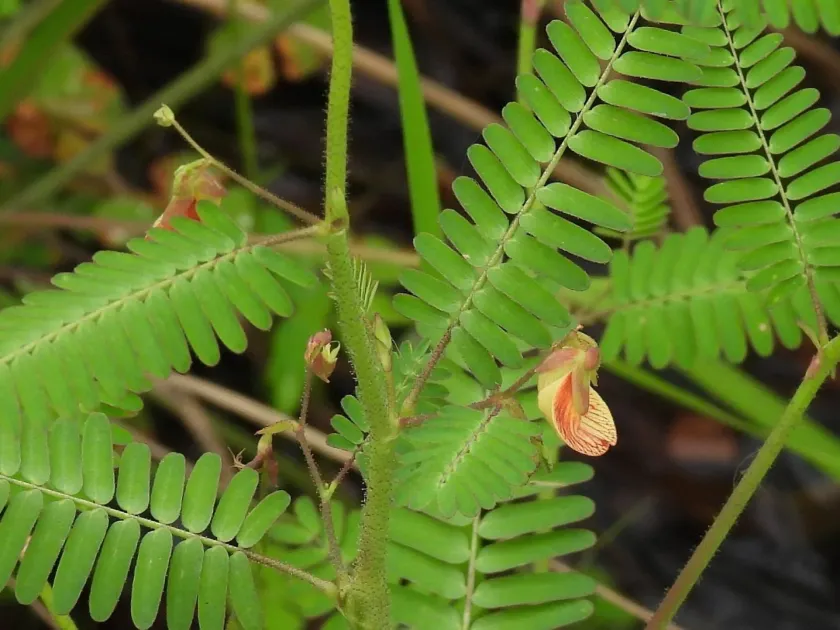
Description
Growing requirements
Aeschynomene rudis is an annual legume species native to the tropical regions of the Americas. This plant is well-known for its unique ability to thrive in wetland ecosystems, including waterlogged soils and floodplains.
Botanically, the plant features a robust stem structure and pinnate leaves. It is characterized by its nitrogen-fixing capabilities, which are essential for soil fertility enrichment in sustainable agricultural systems.
Regarding climate, the plant requires consistent warmth and significant moisture. It is highly sensitive to frost, which limits its commercial cultivation to frost-free tropical or subtropical zones with distinct wet seasons.
Soil requirements are relatively specific; the species prefers hydromorphic or heavy soils that retain water well. It is often used in areas where traditional legumes fail due to excess water accumulation.
The agronomic management of this crop involves maintaining sufficient soil moisture to ensure rapid vegetative growth. It serves as an excellent forage source due to its high protein content and palatability for livestock.
Main diseases and pests
Diseases affecting Aeschynomene rudis are primarily fungal. Anthracnose and leaf spot diseases are common, especially when humidity levels remain high for extended periods during the growing season.
Insect pests, such as lepidopteran larvae, can cause significant defoliation. Additionally, coleopteran insects may damage the pods, impacting seed production and overall crop yield viability.
Root rot, driven by stagnant water or pathogens like Phytophthora, is a potential threat to stand density, especially in low-lying areas where drainage is insufficient.
Effective management strategies include crop rotation, use of certified seeds, and judicious application of fungicides when conditions favor fungal development during critical growth stages.
Integrated Pest Management (IPM) practices are highly recommended to monitor for pest thresholds, ensuring that biological control agents are encouraged alongside careful chemical use.