
Aeschynomene americana
Aeschynomene americana L.
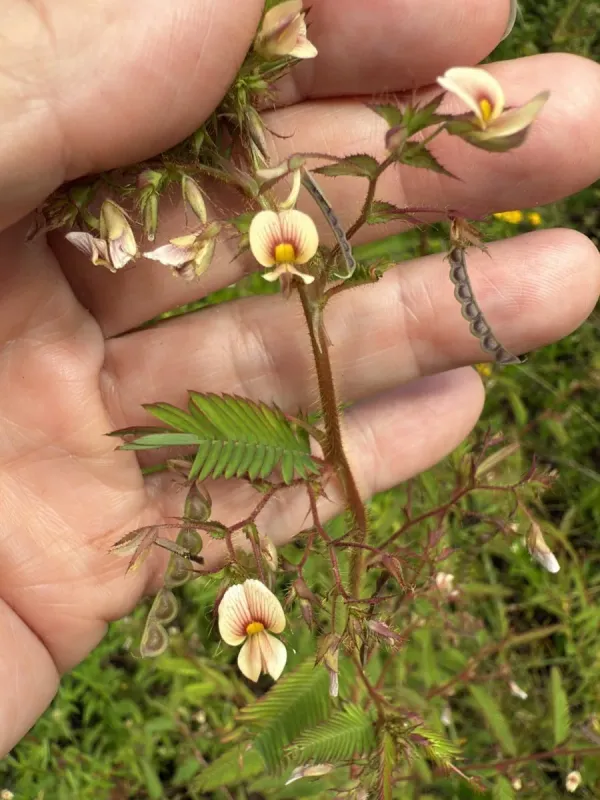
Description
Sowing dates
Aeschynomene americana is a warm-season legume that requires high soil temperatures for optimal germination and establishment. Seeding should occur at the onset of the rainy season to ensure moisture availability during the critical initial growth phase.
Seed scarification is highly recommended to improve germination rates, as the seeds often possess a hard coat. This treatment ensures a more uniform stand density across the field, which is essential for maximizing yield potential.
The sowing depth must be kept shallow, typically not exceeding 1-2 centimeters. Due to the small size of the seeds, they should be pressed into the soil to ensure good seed-to-soil contact while avoiding over-burial.
The crop establishes quickly, showing vigorous early growth that helps suppress weed competition. Proper row spacing or broadcast density is vital to allow the plants to form a canopy that shades out competitive weeds.
When used in pasture systems, it is often sown in mixtures with grasses. This symbiotic approach optimizes land use and improves the overall nutritional quality of the forage provided to livestock.
Growing requirements
Belonging to the Fabaceae family, Aeschynomene americana is a versatile plant native to the tropical Americas. It is renowned for its remarkable ability to thrive in soil conditions that are often unsuitable for other legumes.
One of its standout features is its tolerance to waterlogged soils and temporary flooding. This characteristic makes it an ideal candidate for low-lying areas where other crops might suffer from root suffocation.
The plant thrives in full sunlight and requires warm temperatures to perform nitrogen fixation efficiently. While it tolerates a variety of soil types, it performs best in soils with adequate moisture and good levels of base saturation.
Soil fertility management is crucial, specifically the presence of specific Rhizobium bacteria. Without these nitrogen-fixing bacteria, the plant cannot achieve its full growth potential or provide the expected soil benefits.
Frost sensitivity is a significant limiting factor for the cultivation of this species. It is strictly a tropical and subtropical crop that requires a frost-free environment to maintain its growth cycle throughout the season.
Yield
Aeschynomene americana is primarily utilized as a high-quality forage crop. It is highly palatable to cattle and other ruminants, providing a rich source of protein that is especially valuable in tropical grazing systems.
The yield of biomass is highly dependent on rainfall and soil nutrient availability. With proper management, it can produce multiple harvests or provide long-term grazing throughout the growing season due to its excellent regrowth ability.
Beyond its feed value, it is widely recognized as an effective green manure or cover crop. By fixing atmospheric nitrogen, it significantly improves soil structure and fertility for subsequent agricultural crops in rotation.
Seed production requires careful monitoring to prevent shattering, as the pods can split once mature. Timely harvesting is essential to collect the seeds before they disperse naturally into the field.
Farmers aiming for high yields should focus on optimal grazing pressure. Overgrazing can deplete the plant's reserves, while undergrazing may result in a decline in the quality of the stand over time.
Main diseases and pests
The crop is susceptible to certain fungal diseases, such as anthracnose, particularly in regions with high humidity and poor airflow. Managing plant density is a key strategy to reduce the incidence of these pathogens.
Insect pests, including various beetles and leaf-chewing larvae, can damage the foliage during the peak growing season. Regular scouting is necessary to determine if intervention is needed to protect the biomass.
Root-knot nematodes can pose a threat, especially in soils where the crop has been grown continuously. Rotating Aeschynomene with non-host crops is the most effective way to break the nematode life cycle.
Viral infections may occur, often spread by aphids or other sap-sucking insects. Controlling the vector population is critical to limiting the spread of viruses throughout the field during the growing season.
Maintaining strong, healthy plants through balanced nutrition and proper soil water management is the first line of defense against most biological threats to Aeschynomene americana.