
Aeschynomene aspera
Aeschynomene aspera L.
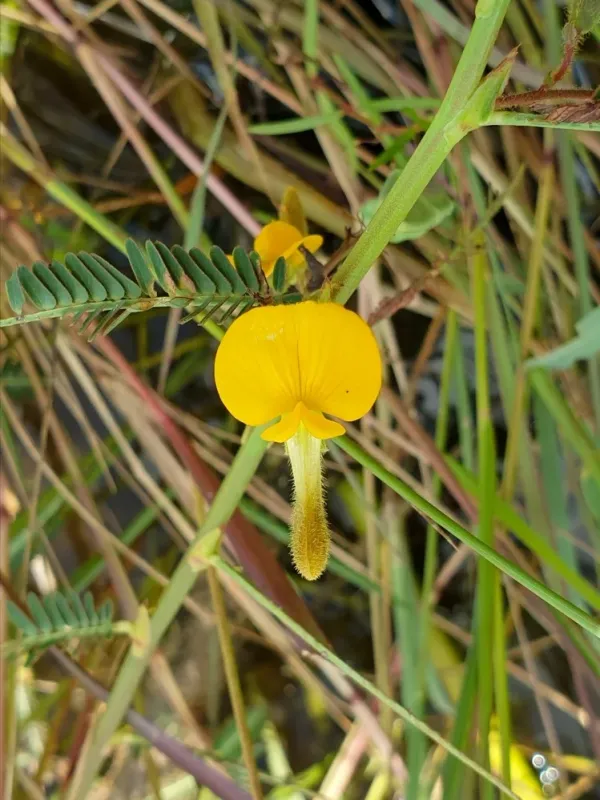
Description
Sowing dates
Aeschynomene aspera, belonging to the Fabaceae family, is a semi-aquatic tropical shrub. The ideal time for sowing this crop is at the onset of the rainy season when soil and air temperatures reach optimal levels for germination.
In natural settings, the plant often reproduces via self-seeding once the seeds reach physiological maturity. For agricultural purposes, seeds are typically scarified to improve germination rates, as the hard seed coat can hinder moisture absorption.
Providing consistent irrigation or planting in areas where water levels can be regulated is essential. Sowing is usually performed directly into waterlogged soil or shallow flooded fields, mimicking the plant's natural wetland habitat.
Planting density depends on the intended use, such as biomass production or pith harvesting. It is recommended to maintain enough distance between plants to allow for the development of a strong root system capable of thriving in anaerobic conditions.
The growing period is influenced by photoperiod and temperature, so early sowing usually results in a longer vegetation period and higher biomass accumulation before the flowering phase begins.
Growing requirements
This crop is a true hydrophyte, requiring constantly moist or flooded soil for vigorous growth. It tolerates waterlogging exceptionally well, an environment that would prove fatal to many other common agricultural crops.
The plant thrives in sunny locations with minimal shading, as it is highly photophilous. Optimal temperatures correspond to tropical climates where consistent warmth is present and there is no risk of frost.
Soils should be rich in organic matter, typical of floodplain meadows and river deltas. Its ability to fix atmospheric nitrogen through symbiosis with root-nodule bacteria allows it to develop successfully in soils with moderate nutrient availability.
The pH level of the water and soil is significant, with Aeschynomene performing best in neutral to slightly acidic environments. It is important to avoid areas with high salinity, which can severely inhibit root development.
Because the species has low tolerance for prolonged soil drought, agricultural practices must prioritize maintaining a stable water balance throughout the entire vegetative season.
Yield
The biomass yield of Aeschynomene aspera is directly linked to nitrogen availability, which the plant manages through biological fixation. Under favorable conditions, the crop produces significant volumes of green matter within a short period.
The stems of the plant are characterized by a light, porous pith, making them a valuable raw material for various niche industries. Yield is measured both by total raw stem mass and the recovery rate of high-quality pith.
When used as green manure, the crop provides a substantial amount of organic nitrogen, enriching the soil for subsequent crops like rice. In these scenarios, yield is evaluated based on the volume of biomass incorporated into the soil.
During systematic harvesting, it is vital to leave a portion of the population to ensure natural seed bank replenishment. Proper management strategies allow for sustained high productivity over multiple seasons.
Economic efficiency increases with multi-purpose use, such as harvesting the stems for crafts while simultaneously utilizing the foliage as supplemental livestock feed.
Main diseases and pests
The primary pests are insects that feed on the soft leaves during the early growth stages. Defoliation caused by these pests can significantly reduce the photosynthetic capacity of the plants.
High humidity conditions can facilitate the development of fungal diseases that affect the root collar and stems. Pathogens that thrive in stagnant water and poor ventilation are particularly dangerous.
Aquatic nematodes can infest the roots of Aeschynomene, leading to stunted growth and reduced nitrogen-fixing efficiency. Controlling them is difficult due to the specific flooded conditions in which the crop is grown.
Viral diseases can be spread by insect vectors, requiring strict monitoring of aphid and other sap-sucking pest populations. Prevention centers on using clean seed stock and maintaining adequate spatial isolation.
Weeds can quickly overwhelm young plants in the early stages, making timely weeding a critical measure for crop protection and successful establishment.
Harvesting
Harvesting stems for technical purposes occurs after the active growth phase, when the stem reaches its maximum thickness and density. At this stage, the pith is most suitable for processing into products.
When used as forage, the crop should be harvested before the stems become overly lignified to ensure better digestibility and nutrient uptake for livestock.
Seed harvesting is conducted manually or mechanically after the pods turn brown. It is crucial to finish harvesting before the pods naturally split and drop their seeds onto the soil.
After harvest, stems must be dried in well-ventilated areas to prevent mold growth, which ensures the integrity of the porous pith structure.
The harvested product requires careful handling, as mechanical damage to the stems reduces their commercial value for applications such as floats, insulation, or decorative artifacts.