
Red sandalwood tree
Adenanthera pavonina
Description
Sowing dates
The propagation of Adenanthera pavonina is primarily achieved through seeds. Because the seeds possess a hard, water-impermeable seed coat, scarification or soaking in hot water for several hours is essential to trigger germination.
Sowing should take place in well-draining soil media, typically in nursery trays or pots. The ideal temperature for germination ranges between +25°C and +30°C, ensuring a consistent environment for the embryos to emerge.
Seedlings usually emerge within two to four weeks. Once the plants reach a height of 30 to 50 centimeters, they are ready for transplanting into their permanent location in the field or orchard.
While vegetative propagation through cuttings is technically possible, it exhibits a lower success rate compared to seed propagation, making the latter the preferred choice for commercial nursery production.
Scheduling the sowing to coincide with the onset of the wet season significantly improves the establishment and survival rates of the young trees in the field.
Growing requirements
Belonging to the Fabaceae family, this fast-growing tropical tree thrives in high-light environments. It is a light-demanding species that does not tolerate dense shade during its growth cycle.
The tree is versatile regarding soil types, though it performs best in deep, fertile, well-draining loams. It is known for its ability to fix atmospheric nitrogen through root nodule symbiosis, enhancing soil health.
Climate-wise, it requires a humid tropical or subtropical climate. It can endure short dry spells, but its growth rate and biomass production are optimized under high annual rainfall conditions.
Protection from frost and freezing temperatures is mandatory, as the species is highly sensitive to cold and can perish if exposed to even moderate frost for an extended period.
Adequate spacing between trees is recommended to promote airflow and light penetration, which are critical for the long-term health and structural integrity of the tree canopy.
Yield
The tree is highly valued for its dense, durable, and termite-resistant timber, often marketed as red sandalwood, which is used in high-quality furniture and carving.
Its seeds, characterized by a uniform weight and vibrant red color, serve decorative purposes in jewelry and traditional crafts, adding to the economic yield of the plantation.
The foliage provides excellent fodder for livestock, containing sufficient protein levels to serve as a supplemental feed during seasons when conventional forage is scarce.
In agroforestry systems, the tree is frequently utilized for windbreaks and living fences, providing both physical protection and soil improvement benefits.
- Timber maturity: typically 15–20 years depending on environmental conditions.
- Growth rate: up to 1-2 meters annually under ideal tropical settings.
Main diseases and pests
Young seedlings are susceptible to leaf-eating insects, such as caterpillars, which can cause significant defoliation if left unmanaged during the early developmental stages.
Root-related diseases, such as root rot, may occur in poorly drained soils. Pathogens like Fusarium thrive in waterlogged conditions, making proper soil preparation a priority.
Maintaining a clean plantation floor and removing fallen debris can help minimize the risk of pest outbreaks and the spread of fungal spores among the trees.
Integrated Pest Management (IPM) strategies, including biological control, are generally sufficient to manage threats without the excessive use of chemical pesticides.
Regular monitoring of the canopy and bark health is essential to identify early signs of infestation and prevent long-term damage to the tree's structural development.
Harvesting
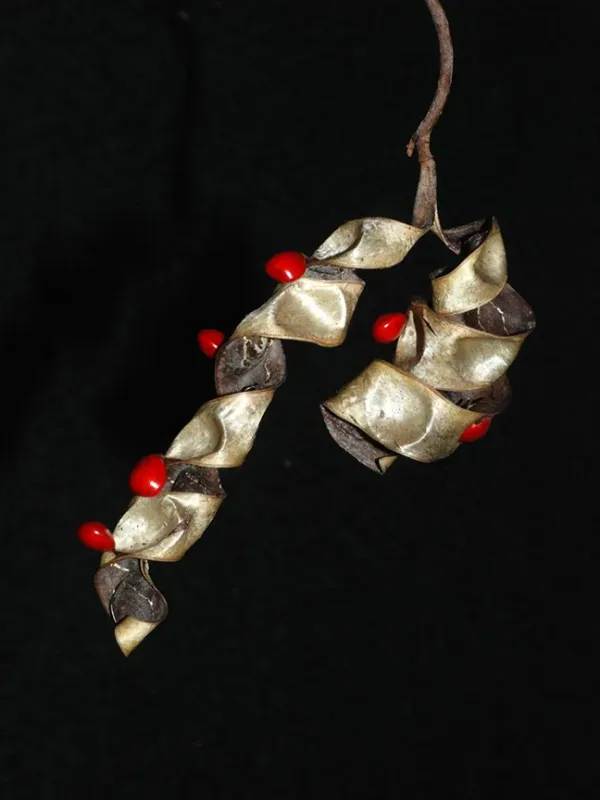
Harvesting seeds involves collecting the pods once they turn from green to brown and begin to split open. This stage indicates the seeds are physiologically mature and ready for storage.
Timber harvest is a long-term goal, requiring careful selection of mature trees that have reached the desired diameter to ensure the highest quality wood production.
Foliage can be harvested through regular pruning sessions. This practice not only provides forage for livestock but also encourages a denser and healthier canopy growth.
After collection, seeds must be thoroughly cleaned and dried to prevent moisture-related fungal growth, ensuring viability for future planting seasons or commercial use.
Effective harvest management requires coordination, as manual labor is often necessary to ensure that pods are picked at the optimal stage of maturity.