
Adenanthera malayana
Adenanthera malayana
Description
Sowing dates
Adenanthera malayana belongs to the Fabaceae family and is a significant tree species in the tropical ecosystems of Southeast Asia. Its cultivation begins with the selection of high-quality seeds collected from mature, healthy specimens.
Seed treatment is a crucial step in the nursery phase. Scarification is required to break the seed dormancy, which significantly improves the germination rate and ensures synchronized seedling emergence.
Nursery beds must be prepared with well-draining soil mixed with organic matter. Seedlings are usually grown in containers for 6–8 months until they reach a robust size suitable for field transplantation.
During the early growth stages, seedlings require a protected environment. Consistent irrigation and partial shade are essential for young plants to establish a healthy root system before being moved to open fields.
The cultural practice of agroforestry often includes this species as an intercrop, benefiting from its nitrogen-fixing capabilities and contribution to soil fertility through high biomass production.
Growing requirements
This species thrives in a strictly tropical climate characterized by high temperatures and consistent rainfall throughout the year. It does not tolerate temperatures below +20°C, making it unsuitable for cooler regions.
Light requirements for Adenanthera malayana are high. It is a heliophytic species that requires full sunlight for optimal crown development and wood production. Excessive shade often stunts its growth.
Soil quality should ideally consist of deep, fertile, and well-draining loams. While the tree can adapt to a variety of soil types, it is highly sensitive to waterlogged conditions, which can quickly lead to root rot.
In terms of agricultural management, the tree is relatively low-maintenance once it has reached the sapling stage. However, protection from high-velocity winds is vital to prevent mechanical damage to the branches.
The tree demonstrates resilience against drought spells, provided it has established deep root systems in the soil. Proper site selection is the primary factor determining the success of the plantation.
Yield
The primary economic output of Adenanthera malayana is its high-quality timber. The wood is prized for its hardness, durability, and deep reddish color, making it a preferred material for fine furniture and cabinetry.
The tree serves as an important source of natural dyes derived from the bark and heartwood. These traditional dyes have regained interest in sustainable textile industries as an alternative to synthetic chemicals.
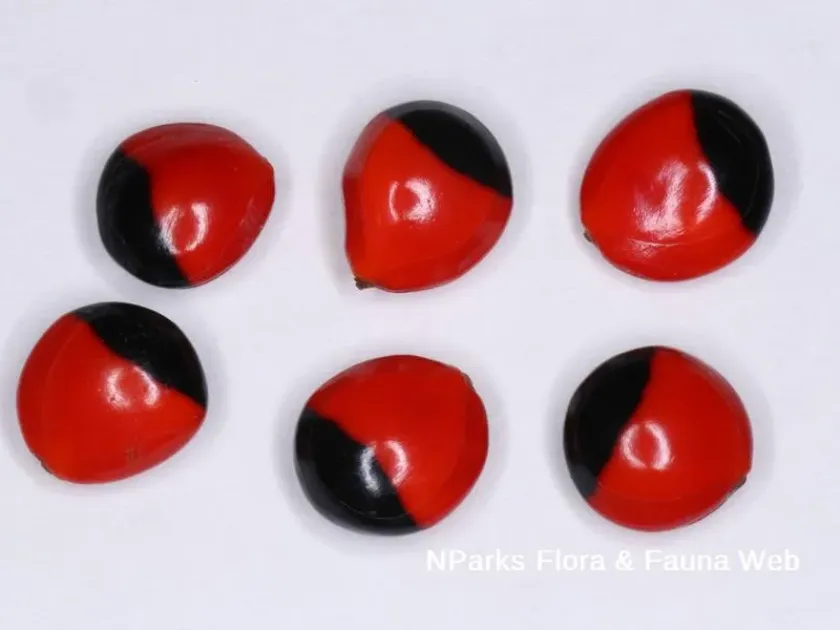
Seeds of the tree have nutritional potential and are utilized in some local culinary practices after thorough processing to remove bitter components. They are also used in the craft industry for beadwork.
Agroforestry systems benefit from the leaf litter provided by the tree, which acts as a green manure, enhancing the nutrient cycle and overall productivity of associated crops in the plantation.
The long-term yield of the tree is significant, with a harvesting cycle that allows for sustainable logging practices. It is considered a viable species for long-term investment in tropical forestry.
Main diseases and pests
Root diseases are the most common biological threat to Adenanthera malayana in managed plantations, particularly if the drainage conditions are poor. Monitoring soil moisture is the primary control measure.
Wood-boring insects represent a major risk to mature trees. Integrated pest management strategies, including the use of pheromone traps and biological controls, are recommended for large-scale plantations.
Fungal leaf spots can occur in dense nurseries with low airflow. Proper spacing between seedlings and regular pruning of dead leaves help in maintaining a healthy environment for the plants.
Weed competition is a significant threat to young saplings in the first two years of development. Mechanical weeding or the use of organic mulch is necessary to ensure the tree has access to nutrients.
Strict adherence to biosecurity protocols when transporting seedlings is necessary to prevent the spread of tropical pests and diseases to new areas of cultivation.
Harvesting
Harvesting of seeds involves collecting ripe pods directly from the tree before they naturally dehisce. This prevents seed loss and ensures the quality of the harvested material.
Timber extraction is conducted based on selective cutting methods. This strategy ensures the sustainability of the plantation and promotes natural regeneration of the ecosystem.
Post-harvest handling of timber requires meticulous drying and seasoning processes. Controlled moisture reduction is necessary to ensure the wood does not crack or warp during storage.
The harvesting of medicinal or dye-producing bark must be done with caution, avoiding full girdling of the tree to ensure the survival and continued growth of the individual tree.
Sorting and grading the harvest based on the specific end-use—whether it be for timber, craft seeds, or extracts—maximizes the commercial value of the crop in global markets.