
Adenanthera aglaosperma
Adenanthera aglaosperma
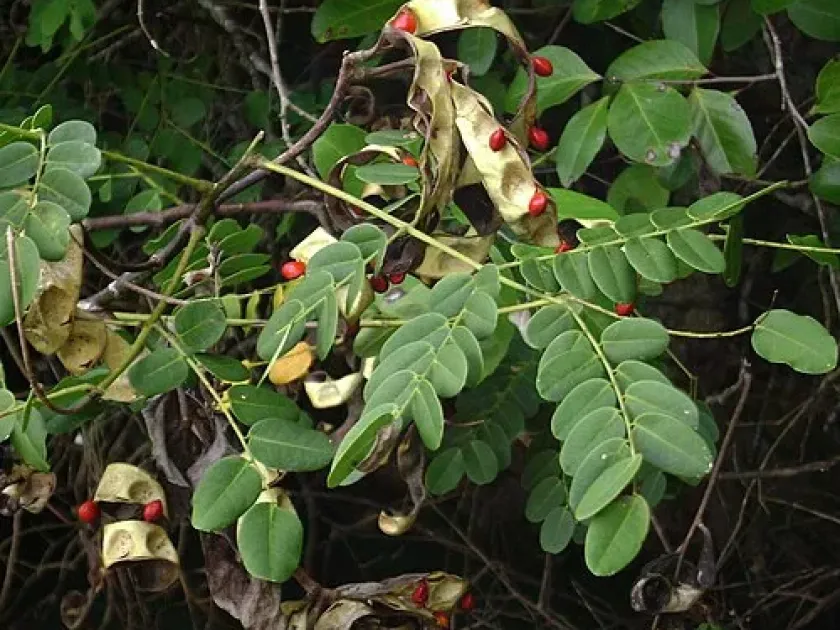
Description
Sowing dates
Adenanthera aglaosperma is a member of the Fabaceae family, characterized as a tropical evergreen tree that requires specific conditions for successful establishment.
Propagation typically involves seed planting in nurseries, where pre-sowing scarification is essential to overcome the physical dormancy of the seed coat.
The optimal sowing period aligns with the onset of the rainy season, providing the consistent moisture levels needed for seedling emergence and root development.
Proper spacing during the nursery phase is crucial to prevent seedling overcrowding, which can lead to elongated, weak stems and higher disease susceptibility.
Transplanting healthy seedlings with a well-developed root ball into the field ensures better survival rates, especially when soil moisture levels are managed.
Growing requirements
As a tropical species, this tree thrives in high-temperature environments and requires a location that avoids extreme cold or seasonal frost.
The crop performs best in well-drained, fertile soils rich in organic matter, as it is sensitive to waterlogging which often causes root decay.
Adenanthera aglaosperma is highly light-demanding, meaning that shading from surrounding canopy or weeds must be minimized for vigorous growth.
Agricultural management should focus on maintaining soil fertility through organic amendments, leveraging the natural nitrogen-fixing capabilities of the legume.
Wind protection is vital for young trees, as immature specimens are susceptible to breakage and physical damage during intense tropical storm events.
Yield
The primary economic output of this tree is its high-density, durable timber, which is highly sought after for specialized construction and carpentry applications.
Beyond timber, the tree produces seeds that contain secondary metabolites of potential value in chemical and pharmaceutical manufacturing sectors.
Yield efficiency is determined by maintaining strict silvicultural practices, including proper thinning regimes to maximize trunk diameter and wood quality.
The tree typically requires several decades to reach full commercial maturity, during which it acts as an important component of the local ecosystem.
Sustainable plantation management allows for periodic harvesting while maintaining the long-term productivity and health of the growing stock.
Main diseases and pests
Root-rot pathogens pose a significant threat to the plantations, especially in areas where soil drainage is inadequate or moisture levels are poorly controlled.
Various foliage-feeding insects and wood-boring beetles can cause severe damage, potentially stunting growth and reducing the value of the harvested wood.
Integrated pest management strategies are recommended, focusing on early detection and the use of biological control agents to mitigate ecological risks.
Viral infections can spread through mechanical injury during pruning or thinning operations, necessitating stringent sanitation protocols among field workers.
Regular health audits of the plantation help in identifying stressed trees, allowing for timely removal to prevent the spread of pests and diseases.
Harvesting
Harvesting for timber is prioritized once trees reach specific girth requirements, ensuring the material meets the structural needs of the industry.
Felling operations require specialized logging equipment and safety techniques to prevent wood splitting and maximize the recovery of high-quality logs.
Seed collection for future propagation is carried out upon full maturity of the pods, indicated by a distinct change in the outer texture and color.
Post-harvest handling of seeds involves careful cleaning and drying to maintain viability, preventing fungal growth before the next planting cycle.
Efficient supply chain management, from the plantation to the processing unit, is critical for achieving optimal value from the Adenanthera aglaosperma crop.