
Adenanthera microsperma
Adenanthera microsperma
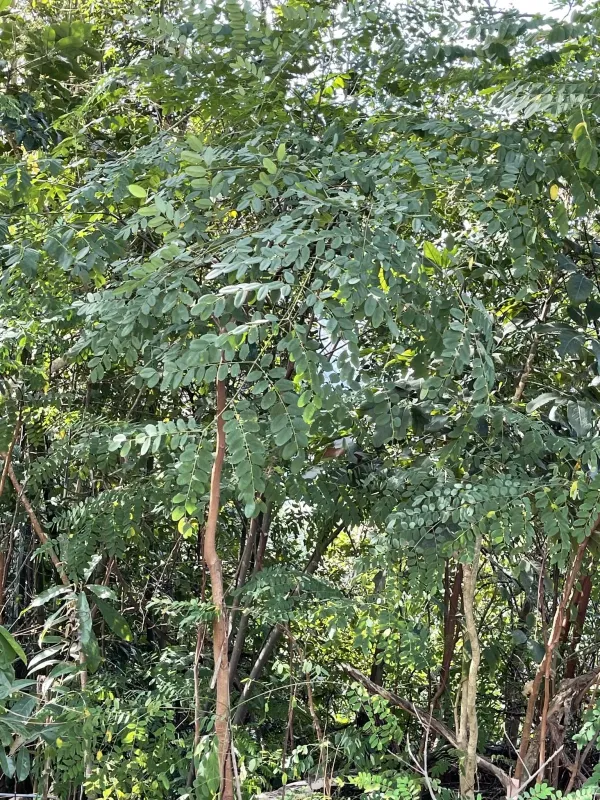
Description
Sowing dates
Sowing Adenanthera microsperma requires careful seed pretreatment, such as mechanical scarification or soaking in hot water to break seed dormancy and ensure uniform germination.
In tropical agroforestry systems, planting is typically scheduled at the onset of the rainy season to utilize natural moisture for the initial establishment phase.
Seeds are placed in nursery beds or individual containers filled with a free-draining sandy loam medium, which promotes healthy root system development from the start.
Consistent light and warm temperatures, ideally between 25 and 30 degrees Celsius, are required to stimulate the rapid growth of the young seedlings after emergence.
Transplanting to the final site should occur once the saplings have reached a robust woody stage, ensuring they are protected from early competition with invasive weeds.
Growing requirements
Adenanthera microsperma is a prominent member of the Fabaceae family, widely recognized for its ecological contribution through symbiotic nitrogen fixation in the soil.
This species thrives in tropical climates characterized by high annual temperatures and distinct wet and dry seasons, making it ideal for reforestation in specific latitudes.
It prefers deep, fertile, and well-drained soils, although it shows significant adaptability to various tropical soil types provided they are not waterlogged for extended periods.
Exposure to full sunlight is essential for the tree's vigorous development; insufficient light can lead to spindly growth and reduced secondary metabolite production.
Adequate spacing in plantation management is crucial to minimize resource competition and ensure that each tree has sufficient air circulation to maintain its structural health.
Main diseases and pests
Pathogenic fungi represent a primary risk, particularly in high-humidity environments, where they can cause stem cankers and foliage blight that weaken the tree.
Wood-boring beetles are significant pests that may infest stressed or mature trees, compromising the structural integrity of the main trunk and branches over time.
Integrated pest management strategies are advised, focusing on sanitation, removal of heavily infected debris, and the encouragement of natural predatory insect populations.
Environmental stressors, such as prolonged soil saturation or extreme nutrient deficiencies, can predispose the trees to secondary infections, making site selection vital.
Regular visual inspections are the most effective method for detecting early signs of disease or pest outbreaks before they become widespread across the plantation.
Harvesting
Harvesting primarily involves the selective cutting of mature trees for timber, which is valued for its density and durability in traditional construction and cabinetry.
Careful felling techniques are employed to minimize damage to surrounding vegetation and to ensure the preservation of the forest canopy structure in managed areas.
In some agroforestry models, seed collection is also a key aspect, requiring timely gathering before the pods shatter to ensure high-quality seeds for future propagation.
Post-harvest management of the timber includes air-drying in controlled conditions to prevent warping or splitting, which is essential for retaining the wood's commercial value.
Sustainable harvesting cycles are implemented to maintain the ecological balance and ensure the long-term productivity of the plantation site for future generations.