
Adelonema yanamonoense
Adelonema yanamonoense
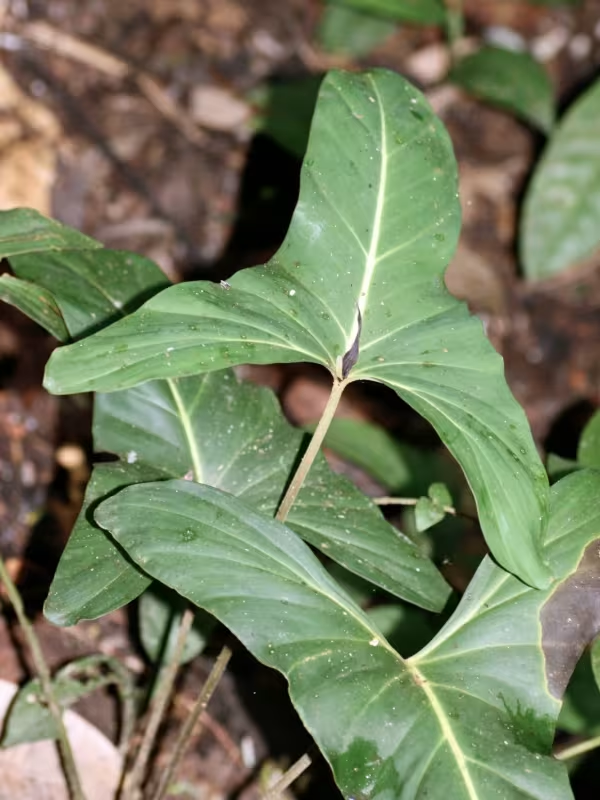
Description
Growing requirements
Adelonema yanamonoense is a striking member of the Araceae family, native to the lush tropical rainforests of the Amazon basin. It is primarily valued for its foliage, which exhibits distinct patterns typical of the species found in Peruvian lowland forests.
The plant thrives in warm, humid conditions with temperatures consistently maintained between 22 and 26 degrees Celsius. Sudden drops in temperature or exposure to cold drafts can cause physiological stress, resulting in stunted growth or yellowing of the foliage.
Soil requirements for this species are specific: the substrate must be airy, lightweight, and capable of maintaining moderate moisture levels. A mixture comprising peat, perlite, pine bark, and charcoal is recommended to ensure optimal root health and proper drainage.
Light exposure should be bright but indirect, mimicking the filtered light of the forest canopy. High-intensity direct sunlight can cause leaf scorch, significantly reducing the plant's ornamental value and damaging the delicate epidermal cells of the leaves.
Humidity management is crucial for the survival of Adelonema yanamonoense. Growers should aim for ambient humidity levels exceeding 70 percent. Using humidifiers or placing the plant in a terrarium setting can significantly improve its overall vigor and leaf development.
Main diseases and pests
Root rot is the most common threat to this plant, often triggered by waterlogged soil and poor drainage. Ensuring that the pot has adequate drainage holes and using a chunky, aerated soil mix are the best preventative measures against these fungal pathogens.
Spider mites are the most frequent pests, especially in indoor environments with low humidity. These microscopic arachnids suck sap from the leaves, causing stippling and eventual necrosis of the foliage if left untreated for an extended period.
Mealybugs can also infest the plant, hiding in the junctions between petioles and stems. Manual removal using cotton swabs soaked in isopropyl alcohol, followed by an application of insecticidal soap, is an effective control strategy for small infestations.
Bacterial leaf spots represent a risk during periods of high moisture and low air circulation. Maintaining proper ventilation around the plant canopy helps keep the leaves dry and reduces the probability of bacterial colonization on the leaf surfaces.
Preventative maintenance, including periodic cleaning of the leaves and checking for signs of pest activity, is essential. Isolated diseased plants should be quarantined immediately to protect the rest of the collection from potentially systemic infections.