
Adelonema wallisii
Adelonema wallisii
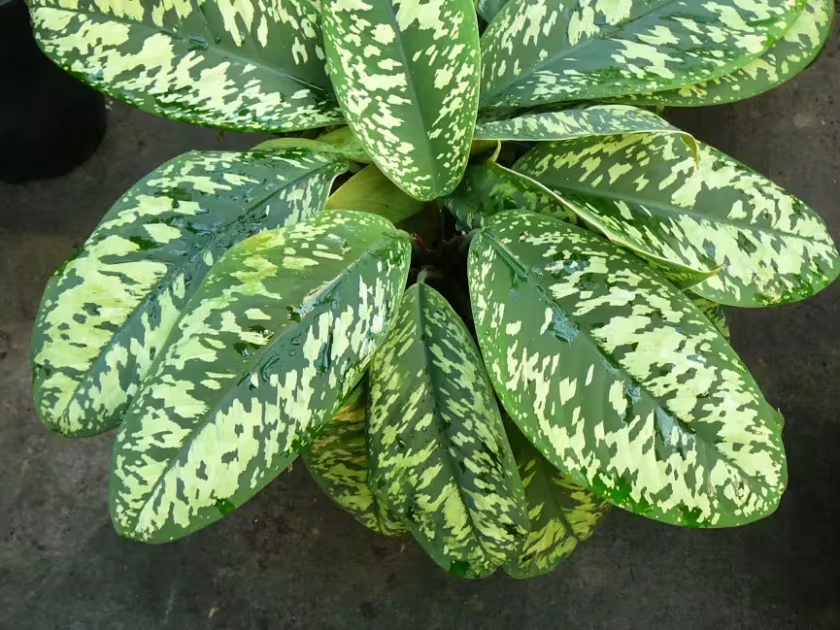
Description
Growing requirements
Adelonema wallisii, formerly classified as Homalomena wallisii, is a perennial herbaceous plant belonging to the Araceae family. Native to the humid rainforests of Colombia, this species thrives in environments that replicate its natural tropical habitat.
The cultivation of Adelonema requires a consistent temperature range between 20°C and 26°C. It is highly sensitive to cold drafts and sudden drops in temperature, which can inhibit plant physiological processes and stunt leaf growth.
The substrate must be well-draining, loose, and aerated to prevent root asphyxiation. A high-quality growing medium includes a mix of peat moss, pine bark, perlite, and decomposed organic matter, typically maintaining a slightly acidic pH level.
In terms of light, Adelonema wallisii prefers bright, indirect light conditions. While the plant can tolerate lower light, intense direct sunlight should be strictly avoided as it can cause chlorophyll degradation and scorching of the foliage.
Water management is critical; the substrate should remain moist but never waterlogged. High ambient humidity, ideally around 60–75%, is essential for sustaining optimal leaf health, making this crop ideal for greenhouse environments.
Main diseases and pests
Root rot, primarily caused by fungal pathogens such as Pythium or Phytophthora, is the most common threat to this culture. It is invariably linked to improper irrigation practices and poor soil drainage.
Common insect pests include spider mites, which thrive in dry indoor air, and mealybugs that lodge in the leaf axils. These pests puncture plant tissues to extract sap, often leading to secondary infections or viral transmission.
Bacterial leaf spot is another concern, often triggered by high humidity without adequate air circulation. This results in necrotic spots that spread rapidly across the leaf surface, compromising the plant's decorative value.
Scale insects may also attach themselves to the stems and leaf undersides. Early detection through regular inspections and the application of horticultural oils or systemic insecticides is the standard practice for control.
Maintaining a clean, well-ventilated growing space is paramount to mitigating these threats. Professional growers recommend isolating any symptomatic plants to prevent the spread of diseases within the crop collection.