
Adelonema crinipes
Adelonema crinipes
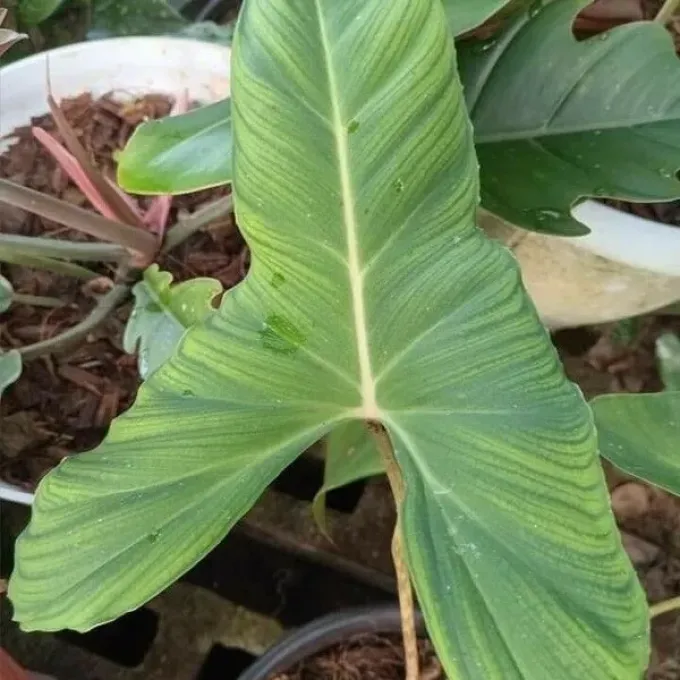
Description
Growing requirements
Adelonema crinipes is a tropical perennial plant belonging to the Araceae family. Native to the humid rainforests of Central and South America, it typically thrives in the shaded understory of dense forest ecosystems, where humidity is high and light is filtered.
Botanically, the plant is characterized by its lush, heart-shaped foliage and specialized rhizomatous root system. This structure allows the plant to anchor effectively in loose forest soil and withstand fluctuations in moisture availability inherent in its native environment.
Successful cultivation of Adelonema crinipes requires a careful balance of bright, indirect light. Direct sunlight is detrimental to the plant, often causing leaf scorching and bleaching of the intense green pigments found in its foliage.
The ideal soil medium is a well-draining, nutrient-rich substrate that mimics the organic-heavy floor of a rainforest. A mixture of peat moss, pine bark, and perlite is recommended to maintain moisture while allowing excess water to pass through freely, preventing root decay.
Ambient temperature and humidity levels are critical for long-term health. The plant performs best in a climate-controlled environment with temperatures ranging between 22°C and 27°C. Maintaining a high humidity level is essential to prevent the leaf margins from crisping.
Main diseases and pests
The primary threats to this species include fungal infections such as root rot, which are often exacerbated by overwatering or poor drainage. Ensuring the substrate is allowed to partially dry between waterings is the most effective preventative measure against these pathogens.
Pest management should focus on monitoring for common greenhouse nuisances like spider mites and mealybugs. These pests are particularly attracted to the soft tissues of the plant, and early detection combined with regular leaf cleaning can significantly mitigate potential damage.