
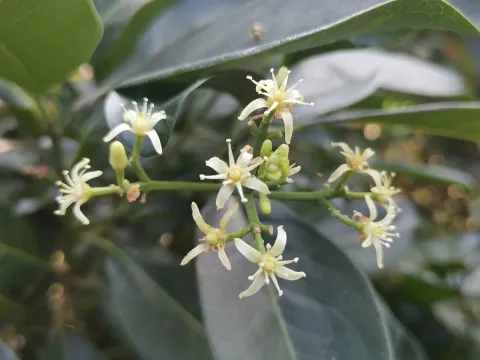
Acronychia
Acronychia
Propagation of Acronychia is typically achieved through seeds or stem cuttings. Fresh seeds should be sown immediately after removal from the fruit, as they have a relatively short shelf life and viability period.
What the section contains


Acronychia
Sowing is performed in a protected environment or nursery, utilizing a well-draining soil mix with stable temperatures between 22 and 25 degrees Celsius for optimal germination.
For cuttings, semi-hardwood stems are chosen during the summer months. The use of rooting hormones and high humidity levels is crucial for successful establishment of the root system.
Seedlings are usually ready for transplantation to their permanent location after reaching a sturdy age of one to two years, ensuring they can withstand environmental stressors.
Early care involves consistent watering and partial shade to protect young plants from intense sunlight while they adapt to the outdoor climate.
Acronychia is a member of the Rutaceae family, featuring evergreen trees or shrubs that are native to the tropical and subtropical regions of Australia and Southeast Asia.
The plant thrives in fertile, loose soil types that provide excellent drainage, as the species is highly sensitive to waterlogged conditions that may lead to root suffocation.
It prefers a tropical climate characterized by warmth and humidity. It is susceptible to damage from frost or sudden temperature drops, which can severely injure its foliage.
Optimal light exposure varies by maturity; while young plants prefer partial shade, mature specimens require full sun to develop a dense canopy and maximize fruit production.
In regions with distinct dry seasons, supplemental irrigation via drip systems is recommended to maintain constant soil moisture without causing nutrient leaching.
The agricultural value of Acronychia lies in its aromatic fruits, which are utilized in both the culinary world and the food processing industry for their unique citrus flavor.
Yield capacity is influenced by consistent fertilization, irrigation practices, and the selection of high-yielding cultivars adapted to the specific local environment.
Properly managed trees can produce multiple harvest cycles per year, provided that climate conditions remain stable and the plant receives sufficient sunlight.
Beyond its culinary utility, the wood of certain Acronychia species is valued for its durability and aesthetic appeal, occasionally used in fine carpentry and specialized manufacturing.
Strategic pruning post-harvest encourages new growth and helps maintain the tree's health, which is essential for consistent yield levels in commercial orchards.
Common pests include scale insects and spider mites, which tend to proliferate in environments with low humidity and poor air circulation around the foliage.
Fungal diseases like root rot and anthracnose are significant threats, especially in areas with poor drainage or excessive rainfall that creates stagnant water conditions.
Integrated pest management, including regular sanitation and canopy thinning, is vital for ensuring airflow and reducing the likelihood of infection outbreaks.
Using organic, biological control agents is recommended to preserve fruit quality and safety, as many parts of the plant are harvested for direct human consumption.
Maintaining the tree's overall vigor through balanced mineral nutrition is the best defense against systemic diseases that could impair growth and productivity.
Harvesting Acronychia fruits requires precision as they are delicate and easily bruised; manual picking is the standard method to ensure the integrity of the produce.
Fruits should be harvested only when they reach peak maturity, as indicated by their color development and the characteristic aroma that signifies sweetness and ripeness.
Post-harvest handling is critical; fruits must be sorted immediately to remove any damaged items, thereby protecting the overall quality of the harvested batch.
Storing the harvested crop in a cool, well-ventilated storage facility helps prolong shelf life and preserves the delicate essential oils found in the fruit skin.
Commercial producers often practice multiple harvests over the ripening season to ensure that each fruit is picked at the exact moment of optimal quality.