
Lemon aspen
Acronychia acidula
Description
Growing requirements
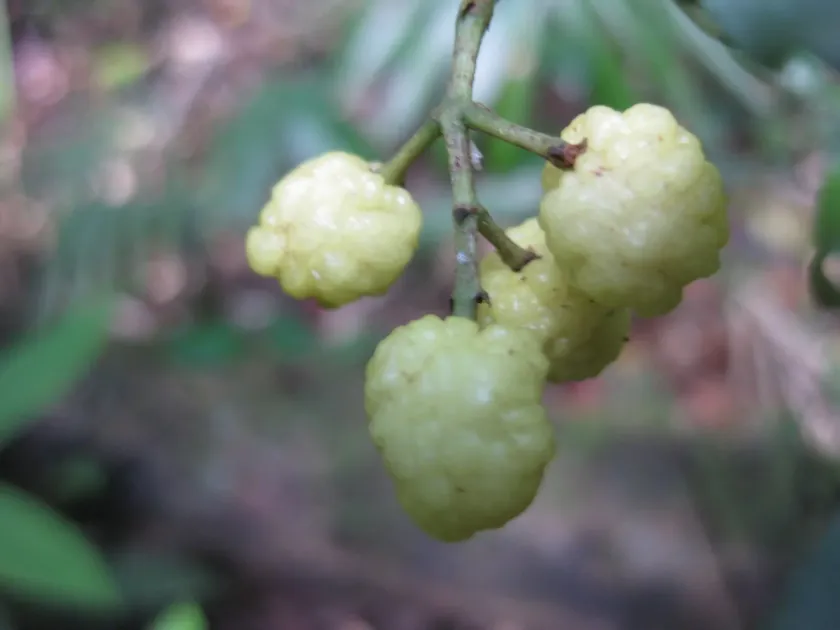
Lemon aspen (Acronychia acidula) is a perennial fruit-bearing tree belonging to the Rutaceae family. In its native rainforest habitat, it grows into a large tree, but when cultivated for harvest, it is often pruned to keep it manageable and productive.
The species originates from the tropical regions of Queensland, Australia. It thrives in high-humidity environments and requires consistently warm temperatures to develop healthy fruit. It is highly sensitive to frost, which limits its commercial cultivation to frost-free regions.
Cultivation requires deep, well-draining, and nutrient-rich soils. The tree prefers a slightly acidic soil pH. Proper site selection is crucial to ensure good drainage, as the roots are highly susceptible to rot if they sit in waterlogged soil for extended periods.
Regular irrigation is essential, especially during the fruit-set and development phases. During drier seasons, mulching around the root zone helps maintain consistent soil moisture and suppresses weeds, which can compete with the tree for nutrients.
The fruit of the lemon aspen is prized for its tart, citrusy flavor, often utilized in high-end culinary applications. It is frequently processed into syrups, jams, and sauces, and serves as a unique ingredient in desserts and beverages.
Main diseases and pests
Like many members of the Rutaceae family, lemon aspen is susceptible to common pests such as scale insects and mealybugs. These pests congregate on the undersides of leaves and twigs, weakening the plant by draining its sap.
Fungal issues, particularly root rot, are common if the soil drainage is inadequate or if irrigation is excessive. To mitigate these risks, it is important to ensure proper air circulation throughout the canopy and maintain a well-drained planting site.
Spider mites can become a problem in hot, dry climates, particularly when humidity levels drop. Routine canopy spraying with water or the use of horticultural oils can help manage populations and prevent severe damage to the foliage.
Anthracnose can affect both the leaves and the ripening fruit during periods of prolonged wet weather. Implementing a regular pruning schedule to improve airflow can significantly reduce the incidence of fungal pathogens within the planting.
Aphids can infest new growth during the spring, leading to leaf curling and stunted development. Early monitoring and the use of targeted biological control agents are recommended to maintain plant health without disrupting beneficial insect populations.