
Acronychia pedunculata
Acronychia pedunculata
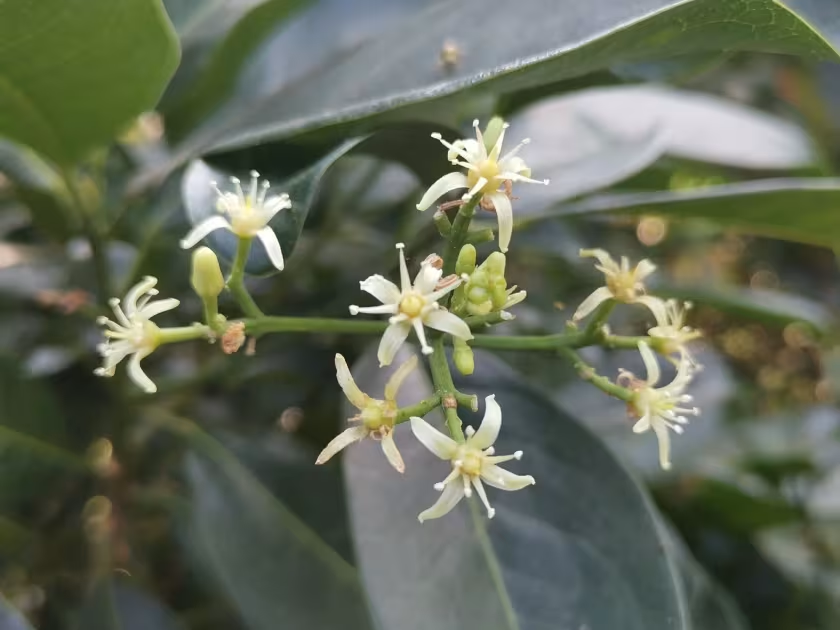
Description
Growing requirements
Acronychia pedunculata, commonly known as the claw-flower, is a distinctive evergreen tree or shrub belonging to the Rutaceae family. It is recognized for its glossy, aromatic foliage and its ecological significance in tropical ecosystems across South and Southeast Asia.
The species thrives in warm, humid climates and is highly adaptable to various soil types, provided they offer efficient drainage. It prefers sites that are protected from intense, direct solar radiation, making it an excellent candidate for semi-shaded agricultural areas or agroforestry setups.
Botanically, the plant displays a complex growth pattern with opposite leaves and small, yellowish-white flowers that develop into edible drupe-like fruits. Its resilience and multi-use potential make it a promising plant for local farming systems looking to diversify their yields.
The cultivation of this species focuses on maintaining optimal moisture levels and nutrient availability during the peak growth season. It does not require intensive human intervention if the local environmental conditions closely mirror its native habitat in forest fringes.
Beyond its culinary appeal, the plant is studied extensively for its phytochemical profile. The leaves and roots contain various alkaloids and volatile oils, which are increasingly sought after by pharmaceutical industries for their potential health-promoting properties.
Main diseases and pests
Like many members of the Rutaceae family, Acronychia pedunculata can be susceptible to typical pests such as scale insects and aphids. These pests usually target the soft, young foliage, potentially stunting the tree's growth if left unmonitored.
Fungal pathogens represent a threat, particularly in regions with high rainfall or inadequate canopy air circulation. Diseases like root rot can manifest if the soil becomes waterlogged, necessitating careful management of irrigation and field drainage systems.
Integrated pest management (IPM) is recommended for this crop to minimize the use of synthetic chemicals. This involves monitoring pest populations and encouraging natural predators, which helps in maintaining the ecological balance of the plantation.
Sanitation practices, such as the removal of infected plant debris, are crucial to prevent the spread of fungal spores. Ensuring proper spacing between individual trees also aids in reducing humidity levels within the canopy, thus lowering the risk of disease outbreak.
Regular agronomic check-ups allow for the early detection of stress factors. By maintaining soil health and providing balanced fertilization, growers can strengthen the plant's resistance, leading to more sustainable and productive agricultural outcomes.