
Achnatherum calamagrostis
Achnatherum calamagrostis (L.) P. Beauv.
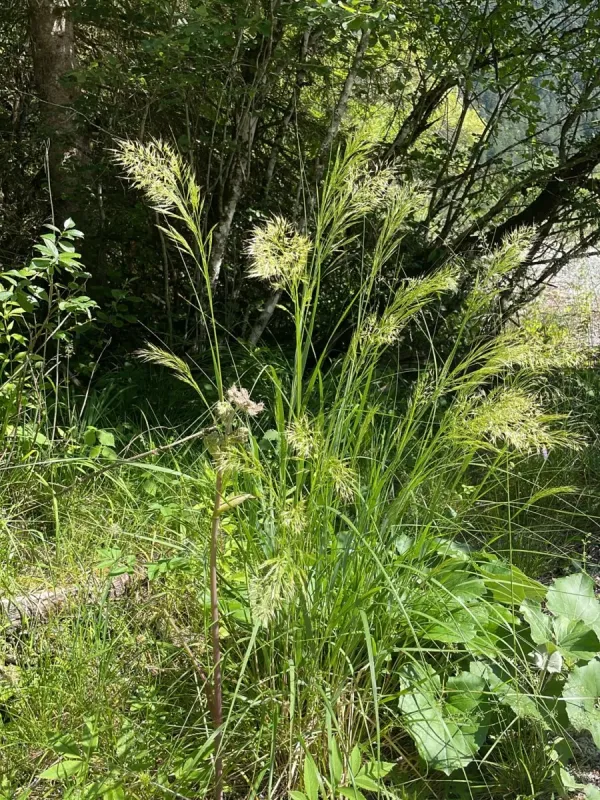
Description
Sowing dates
Sowing of Achnatherum calamagrostis is typically performed in early spring as soon as the soil warms up to 10–12 degrees Celsius. Alternatively, autumn sowing is possible, allowing the seeds to undergo natural stratification, which often results in more vigorous spring germination.
For container-grown starts, seeds are sown indoors during March. Once the threat of hard frost has passed, seedlings are transplanted into the open ground. Proper spacing of 40–50 centimeters is essential to allow the plant to establish its characteristic mound shape.
The seeds should be covered with only a thin layer of soil, no more than 0.5–1 cm deep, as they require sufficient light to break dormancy. After sowing, the soil should be lightly pressed to ensure good contact between the seeds and the substrate.
The selection of the planting site is critical, as this species is highly photophilous. Full sun exposure is necessary to maintain the plant's structural integrity and avoid the leggy, sparse growth that occurs when planted in shaded environments.
Soil preparation should focus on drainage. Achnatherum calamagrostis thrives in light, well-drained, and slightly alkaline soils. On heavy clay soils, incorporating sand or grit is mandatory to prevent waterlogging, which the plant cannot tolerate.
Growing requirements
Known commonly as silver spike grass, this perennial grass belongs to the Poaceae family. It is renowned for its adaptability to poor, rocky, and arid substrates, making it a low-maintenance choice for gardeners and landscapers alike.
The species exhibits exceptional drought tolerance due to an extensive root system capable of accessing deep soil moisture. Overwatering is a primary cause of failure, as the plant requires dry periods to thrive and remain healthy throughout its growing season.
Regarding climate, the plant is quite cold-hardy, surviving typical European winters. In areas with extreme, snowless freezes, light mulching over the crown is recommended as a precautionary measure to prevent damage to the dormant roots.
A soil pH between 6.5 and 7.5 is ideal for optimal development. Fertilizer should be applied sparingly, if at all; excessive nitrogen will lead to rapid, weak growth that makes the elegant flowering stems prone to lodging or collapse under weather stress.
Its primary use is in modern landscaping, where its graceful, arching, silvery-white panicles provide a long-lasting visual interest. It works exceptionally well in rock gardens, gravel beds, or as a softening element in perennial borders.
Main diseases and pests
Achnatherum calamagrostis is generally resistant to most common agricultural pests and diseases. Its preference for well-aerated, dry soil creates an unfavorable environment for many fungal pathogens that typically plague other grass species.
Insect pests like aphids or leafhoppers might occasionally be present, but they rarely cause significant economic damage to the plant. Standard garden monitoring is usually sufficient to manage these populations without the need for chemical intervention.
Powdery mildew can become an issue if the plants are placed too closely together, inhibiting airflow. Pruning back dead foliage and ensuring proper spacing between individual mounds are the best cultural methods to prevent such outbreaks.
Rust fungi may affect the leaves under conditions of high humidity combined with temperature fluctuations. Removing plant debris from the previous season significantly reduces the inoculum potential and helps maintain the health of the upcoming year's growth.
Proactive maintenance, such as keeping the area clear of dense weeds, is highly effective. Good circulation is the key to preventing most localized fungal infections, ensuring the plant retains its aesthetic appeal all year round.
Harvesting
The pruning of Achnatherum calamagrostis is traditionally done in late winter or very early spring. This essential maintenance step involves cutting back the entire canopy to approximately 5–10 centimeters above the ground level.
Using clean, sharp shears is important to prevent tearing the stems, which helps the plant recover quickly. This annual cut removes the old, bleached foliage and makes space for the fresh, vibrant green growth that emerges as temperatures rise.
For those harvesting the plumes for floral arrangements, the harvest should occur when the panicles are fully formed but before they begin to shed their seeds. Drying them in a hanging, shaded position preserves their color and architectural structure.
Post-pruning, a light application of a balanced slow-release fertilizer can encourage lush new growth. However, one should avoid heavy feeding to maintain the natural, graceful habit of the plant rather than encouraging excessive, coarse vegetation.
While not a commercial hay crop, the timing of the cut is vital for the plant's health. Pruning too late, after new shoots have begun to grow, will cause unnecessary stress to the plant and may diminish its overall vigor for the remainder of the season.