
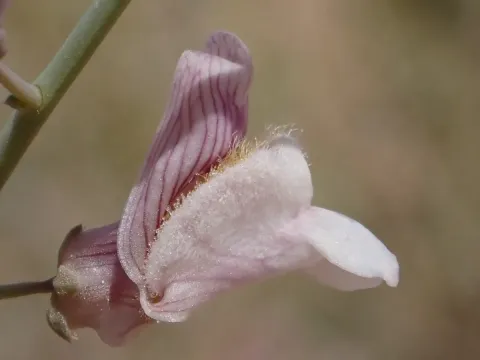
Acanthorrhinum
Acanthorrhinum
Acanthorrhinum is a genus of annual herbaceous plants belonging to the Plantaginaceae family. Seeds are typically sown in late winter or early spring in a greenhouse or controlled indoor environment to ensure a successful start.
What the section contains

Acanthorrhinum
For optimal germination, seeds require a stable temperature between 18 and 20 degrees Celsius. The seeds are very small and should be sown on the surface of a fine, moist potting mix without being covered by deep layers of soil.
After germination, seedlings require plenty of light and a slightly cooler environment to prevent them from becoming leggy. Pricking out should be done once the first true leaves have fully developed.
Transplanting into the open garden is strictly recommended only after the last risk of frost has passed, as the plants are sensitive to cold temperatures. Proper hardening off before outdoor planting is essential.
When planting outdoors, space the plants about 20 to 30 centimeters apart to allow for proper airflow and development, which helps maintain the health and vigor of the colony.
Acanthorrhinum thrives in full sun exposure. It is essential to select a site that receives several hours of direct sunlight daily to ensure strong stems and an abundant flowering period throughout the season.
The soil must be well-draining, light, and sandy to prevent water accumulation. Poorly drained soil is the most common cause of root rot in this species, so soil structure is a priority in cultivation.
The plant prefers neutral to slightly alkaline soil pH. If the soil is too heavy or compacted, integrating organic matter or horticultural grit will improve the drainage and aeration needed for root development.
Irrigation should be consistent but moderate. Allow the top centimeter of the soil to dry out between waterings to encourage deep root penetration and to minimize the risk of fungal infections near the crown.
Fertilization with a balanced, low-nitrogen liquid fertilizer once every two weeks during the active growing season will promote better bloom quality without stimulating excessive vegetative growth.
The primary threats to Acanthorrhinum include fungal diseases such as root rot and powdery mildew, which thrive in humid or stagnant air conditions. Proper spacing and airflow management are the best preventative measures.
Pests like aphids and spider mites are common in dry or warm weather. Early detection and treatment with appropriate pesticides or natural soap sprays can prevent significant damage to the floral displays.
Gray mold (Botrytis) can affect plants if moisture levels are too high or if debris is left around the base of the plant. Maintaining a clean garden bed around the plants reduces the risk of these pathogens.
Slugs and snails can be problematic for young plants during moist periods. Using physical barriers or baiting can help protect the seedlings during their most vulnerable stage of development.
Regular inspection of the foliage for discoloration or distorted growth allows for quick intervention, ensuring that the health of the plant remains intact throughout the summer months.