
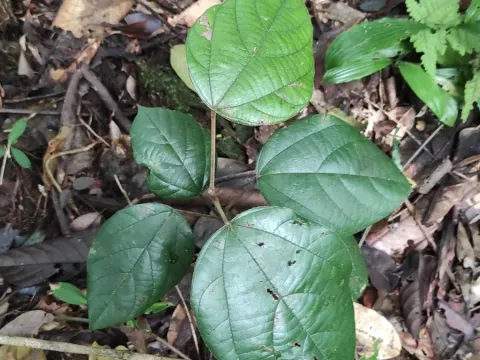
Abuta
Abuta
Abuta (genus Abuta) belongs to the Menispermaceae family and comprises a group of woody vines native to the tropical rainforests of Central and South America.
What the section contains

Abuta
These plants thrive in hot and humid tropical climates, typically found in the Amazon basin, where they use other trees for support to reach sunlight in the forest canopy.
Successful cultivation of Abuta requires well-drained, nutrient-rich soil high in organic matter, which mimics the natural forest floor conditions of its habitat.
The plant demands high ambient humidity and stable, warm temperatures, making it sensitive to environmental stresses such as cold snaps or prolonged drought.
While propagation in the wild occurs through seeds dispersed by animals, controlled cultivation often utilizes stem cuttings to ensure uniform growth and medicinal potency.
Fungal infections pose the primary threat to Abuta vines, particularly in environments with poor air circulation or excessive moisture levels that trigger decay.
Various tropical pests, including scale insects and defoliating beetles, can cause significant damage to the foliage and stems, impacting the plant's overall health.
Root system vulnerability is a major concern, as waterlogged soil conditions frequently lead to root rot, which is often fatal for established vine specimens.
Integrating biological pest control methods is recommended to manage infestations without disrupting the delicate balance of the tropical growing environment.
Consistent monitoring of plant health and rapid identification of pathogens are essential strategies for maintaining the quality of the raw material harvested for medicinal purposes.