
Cannabis tincture or hemp oil
Detailed analysis of the differences between CBD oil and tincture. Description of the benefits, methods of use, advantages of medical hemp seeds, and dosage tips.
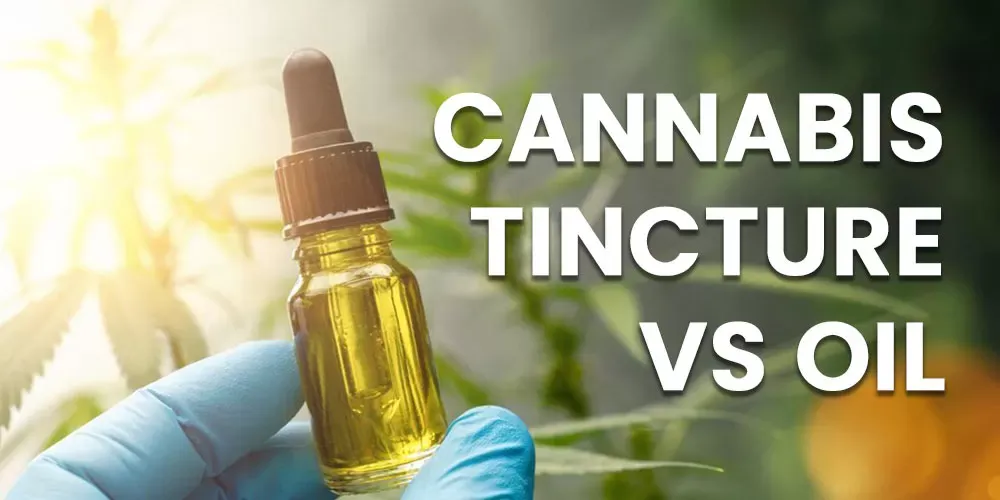
The world of medical cannabis is evolving so rapidly that even experienced wellness advocates sometimes get confused by the terminology. If you have ever looked for natural remedies for stress relief or pain management, you have probably seen hemp oil and tinctures on the shelves of shops and pharmacies. Despite the similar glass bottles with droppers and almost identical effects on the body, these are two completely different products in terms of their philosophy, composition, and manufacturing methods.
Due to labeling peculiarities in today's market, there is significant confusion, as most products are classified as oils, even though the label proudly says "tincture." To figure this out and avoid wasting money on a product that doesn't suit you, it is worth looking into the very essence of the manufacturing technology of these liquid extracts.
Cannabis Tincture: What You Need to Know
A hemp tincture is a classic liquid extract obtained by prolonged soaking of cannabis flowers in a high-proof alcohol solution. The alcohol here acts not just as a preservative, but as a powerful solvent. It efficiently extracts cannabinoids, such as CBD or THC, from the plant material, reliably protecting them from oxidation and destruction by sunlight.
The main feature of tinctures lies in the method of their consumption. Most often, they are used sublingually—dropped directly under the tongue using a dropper. This area contains a vast number of capillaries, so the active substances instantly enter the bloodstream, bypassing the long journey through the stomach and liver. This provides a very rapid effect, which is critically important during sudden panic or anxiety attacks. However, you should be prepared for the fact that due to the alcohol base, such tinctures have a specific, rather bitter, and sharp taste.
The Effect of CBD on the Endocannabinoid System
The rapid rise in the popularity of medical cannabis began after scientists thoroughly studied the human endocannabinoid system (ECS). This complex neuromodulatory network works in our body every second, regardless of whether you consume hemp products. It is a kind of conductor for the body, responsible for internal balance: regulating mood, sleep quality, appetite, memory, and immune response.
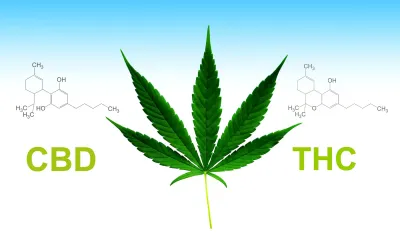
The molecules of plant cannabidiol (CBD) are remarkably similar in structure to the endocannabinoids that our body produces on its own. Upon entering the body, CBD acts very delicately. Instead of harshly stimulating receptors, it slows down the breakdown of the body's own protective molecules. This is exactly what explains its therapeutic effect: the body receives the resources for self-healing, helping to overcome chronic pain, depressive states, insomnia, and even severe convulsive seizures.
Medical Hemp Seeds as the Basis of a Healthy Diet
While concentrated extracts are typically used to address specific health issues, hemp seeds https://smileseeds.com.ua/ua/ are ideal for general prevention and maintaining vitality. They contain absolutely no psychoactive components, so their consumption is completely safe and legal worldwide.
Recently, special medical cannabis seeds have gained special status among nutritionists. They are grown in strictly controlled ecological conditions, without a hint of chemical fertilizers or pesticides. Such seeds are a true superfood. They contain the perfect balance of Omega-3 and Omega-6 polyunsaturated fatty acids for the human body, as well as easily digestible plant protein. Adding medical seeds to your daily diet strengthens the heart, cleanses blood vessels, and normalizes digestion, creating a solid foundation for health even before you might need stronger extracts.
Hemp Oil
Unlike alcohol tinctures, high-quality CBD oil is created following a completely different scenario. First, pure cannabidiol is extracted from the plant along with beneficial terpenes and flavonoids (most often using safe and clean CO2 extraction). Then, this thick golden concentrate is mixed with a base vegetable carrier oil. Usually, easily digestible MCT coconut oil or authentic cold-pressed hemp seed oil is used for this.
The safety of such a product is confirmed even by the World Health Organization (WHO). In their official reports, WHO experts noted that pure cannabidiol is well tolerated by humans, does not cause addiction, and has no potential for abuse. Moreover, on an international level, CBD is officially recognized as an effective treatment for rare forms of epilepsy that do not respond to traditional medications. Modern clinical observations show that hemp oil significantly improves the quality of life for patients with the following conditions:
- Chronic inflammation, including arthritis and severe forms of neuropathy
- Post-traumatic stress disorder (PTSD) and generalized anxiety
- Chronic insomnia and biological rhythm disruptions
- Neurodegenerative processes (Alzheimer's and Parkinson's diseases)
- Relief of side effects during aggressive anticancer therapy
Main Differences
When it comes to choosing, the difference between these two products becomes obvious in everyday use. The first and most important factor is taste and texture. The oil has a mild, pleasant nutty flavor, and manufacturers often add natural mint or citrus extracts to it. The oil is much more pleasant to hold under the tongue than a burning alcohol tincture.
The second difference is versatility. A tincture is limited only to internal use or adding to ready-made meals and drinks. Hemp oil can also be applied externally. It works wonderfully as a topical anti-inflammatory remedy: it is applied to aching joints, rubbed into the temples for migraines, or used as a spot treatment to soothe the skin with acne. In addition, due to a simpler mass-production process, high-quality hemp oils usually cost slightly less than alcohol tinctures of a similar concentration.
Whichever format you choose for your daily body support ritual, ultimate success always depends on personalized dose adjustment. Every person's endocannabinoid system is as unique as a fingerprint, so a universal instruction for everyone simply does not exist. Introduction to CBD should begin with the classic rule: "start low and go slow." Starting with minimal doses will allow you to gently track your body's reaction, find your ideal concentration, and get the maximum therapeutic effect in absolute safety and comfort.
Approximate CBD Dosage Table
Since every body reacts to cannabidiol individually, it is important to determine the correct starting point before beginning intake. The table below provides basic recommendations for the daily intake of pure CBD (in milligrams) depending on body weight and the expected intensity of the effect:
|
User Weight (kg) |
Mild Effect (mg CBD) |
Medium Effect (mg CBD) |
Intense Effect (mg CBD) |
|
up to 60 kg |
5 – 10 mg |
10 – 20 mg |
20 – 30 mg |
|
60 – 80 kg |
10 – 15 mg |
15 – 25 mg |
25 – 45 mg |
|
over 80 kg |
15 – 20 mg |
20 – 35 mg |
35 – 60 mg |
*Note: This table contains approximate calculations for the pure substance. To find out how much this is in drops, check the concentration (mg per 1 ml) on the label of your bottle.
Whichever format you choose for your daily body support ritual, ultimate success always depends on personalized dose adjustment. Every person's endocannabinoid system is as unique as a fingerprint, so a universal instruction for everyone simply does not exist. Introduction to CBD should begin with the classic rule: "start low and go slow." Starting with minimal doses will allow you to gently track your body's reaction, find your ideal concentration, and get the maximum therapeutic effect in absolute safety and comfort.
Editorial team agronom.info
Materials are prepared by the portal's agronomists and editors. We use only trusted sources: Ukrainian agricultural universities, variety registries, open scientific publications.
Related articles
Not yet comments. Be the first!
Comments