
Agronomists' Spine and Knee Protection
Learn how powerlifting belts and volleyball knee pads help agronomists protect their spine and knees from injuries. Tips on choosing, using, and preventing joint problems.
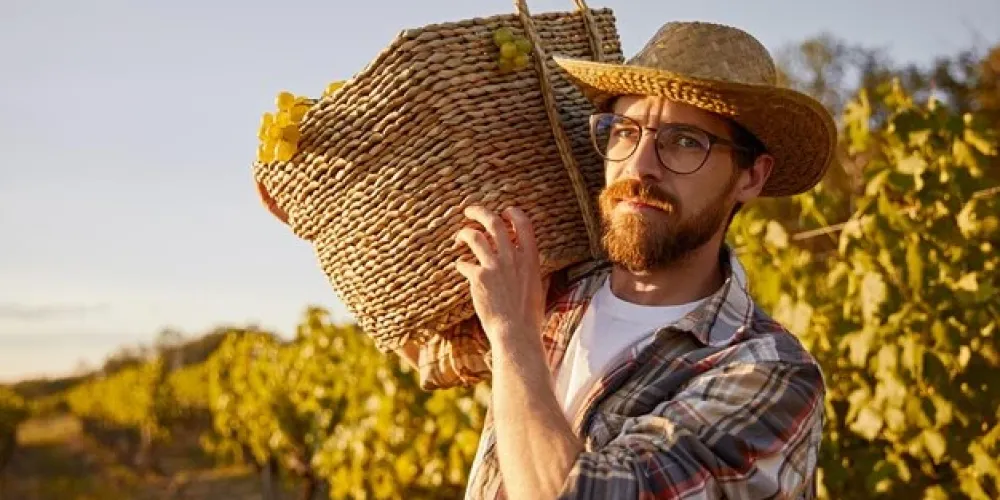
Agronomist's work — this is not only intellectual labor associated with soil analysis, crop planning, and plant care, but also heavy physical work. Constant bending, lifting heavy weights, working on knees in the field — all this creates significant risk to spinal and knee health. Problems with the spine and knees can lead to chronic pain, reduced productivity, and even the need for medical intervention. In this article, we will thoroughly examine how sports equipment such as powerlifting belts and volleyball knee pads can become effective protective tools for agronomists, minimizing injury risks and ensuring comfort during heavy work. We will also explain how to properly choose and use these accessories to maximize their benefits.
Physical demands of agronomist's work
Agronomists daily face tasks requiring significant physical effort. Let's consider the main factors affecting spinal and knee health:
- Lifting heavy weights. Agronomists often have to carry bags of fertilizers, seeds, or tools. Lifting weights of 20–50 kg creates enormous pressure on the spine, especially the lumbar region, which can lead to hernias, protrusions, and chronic back pain.
- Frequent bending. Weeding, inspecting plants, collecting soil samples — these activities require multiple bends, which overwork the back muscles and intervertebral discs.
- Working on knees. When planting crops, harvesting, or soil preparation, agronomists often work standing on their knees or squatting. This leads to knee joint wear, meniscus and ligament inflammation, as well as pain associated with arthritis or bursitis.
- Prolonged uncomfortable positions. Field work often requires prolonged staying in static or unnatural positions, which increases load on joints and spine.
These factors make agronomists vulnerable to musculoskeletal injuries. However, using sports protective gear, such as powerlifting belts and volleyball knee pads, can significantly reduce these risks.
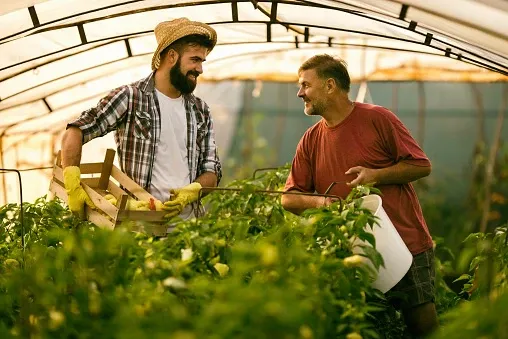
How powerlifting belts help protect the spine
Athletic belt — this is not just a sports accessory, but also an effective tool for protecting the lumbar spine during any heavy work. They were originally developed for strength sports such as powerlifting, where athletes lift extreme weights, but their advantages are applicable to agronomists.
Advantages of powerlifting belts
- Spine stabilization. The belt tightly wraps the lumbar region, creating additional intra-abdominal pressure that supports the spine in the correct position and reduces the risk of injury during heavy lifting.
- Reduced load on back muscles. The belt helps distribute the load between the core muscles and the lumbar region, reducing the risk of strains and muscle spasms.
- Prevention of hernias and protrusions. By maintaining proper posture and reducing pressure on intervertebral discs, the belt minimizes the likelihood of developing hernias.
- Improved lifting technique. The belt serves as a reminder to keep the spine straight, which is especially important during multiple bends and lifts.
How to choose a powerlifting belt
When choosing a belt for an agronomist, it is important to consider several factors:
- Material. The best choice — leather or multi-layered nylon belts, which provide secure fixation and durability. They are ideal for heavy work due to their strength and comfort.
- Width and stiffness. The belt should be wide (about 10–15 cm) and sufficiently rigid to provide support, but not restrict movement.
- Size. The belt should fit tightly to the body but not compress it. Before purchasing, measure your waist circumference and choose a model that matches your size.
- Fastening type. Buckles or clip fasteners are preferable to Velcro, as they are more reliable with prolonged use.
Rules for using the belt
- Wear the belt only during heavy tasks, such as lifting weights or prolonged bending.
- Do not tighten the belt too tightly to avoid disrupting circulation.
- Remove the belt during rest to prevent back muscles from becoming accustomed to constant support and maintain their strength.
Using a powerlifting belt allows agronomists to reduce the risk of back injuries and increase endurance during heavy work. This is especially important during periods of intensive labor, such as planting or harvesting. The belt reduces load on the spine and core muscles, preventing chronic pain and overloads. High-quality belts made of durable materials will last long, won't deform with frequent use, and provide comfort even with prolonged wear. Therefore, it is important to choose a reliable and ergonomic powerlifting belt — this is an investment in the health and productivity of the agronomist.
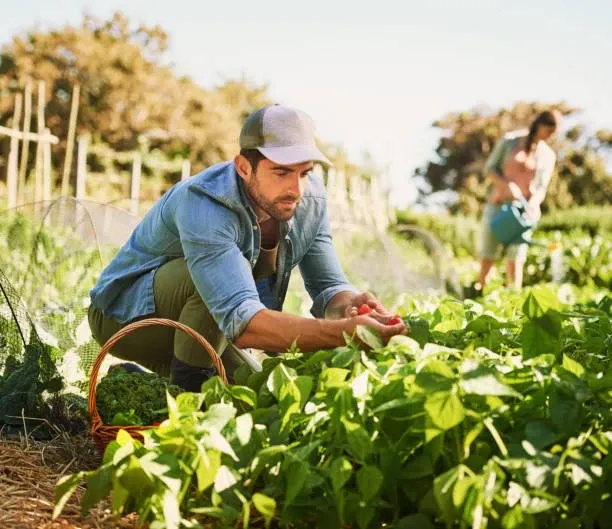
The role of volleyball knee pads in protecting knee joints
Agronomists' knee joints are subjected to significant stress due to working on knees or squatting. Volleyball knee pads, designed to protect joints during active movements and falls, can be an excellent solution for agronomists.
Advantages of volleyball knee pads
- Protection from impacts and bruises. Knee pads are equipped with soft or reinforced inserts (e.g., with Hex technology) that absorb impact when falling on knees or contacting hard surfaces, such as stones or hard soil.
- Joint stabilization. Compression knee pads support the knee cap and ligaments in the correct position, reducing the risk of dislocations and strains.
- Reduced load on menisci and cartilage. Knee pads reduce pressure on knee joints, preventing cartilage wear and development of arthritis.
- Improved blood circulation. Compression models promote better blood and lymph circulation, helping to reduce swelling and fatigue in legs after prolonged work.
- Rehabilitation after injuries. If an agronomist already has knee problems, knee pads allow continuing work, minimizing pain and supporting the joint.
How to choose volleyball knee pads
For agronomists, it is important to choose knee pads that combine protection, comfort, and durability. Here are some recommendations:
- Type of knee pads. Choose models with soft or reinforced protective inserts suitable for working on uneven surfaces. Compression knee pads with silicone rings or rigid ribs provide additional support.
- Material. Neoprene knee pads have a warming effect, which is beneficial for joints, especially in cold weather. Cotton models are suitable for warm seasons, as they better wick away moisture.
- Size and fit. Knee pads should fit tightly to the leg but not compress it. To choose correctly, measure the circumference of the thigh (15 cm above the knee) and calf (2 cm below the knee). Anatomical cut and adjustable straps ensure secure fixation and prevent slipping.
- Quality of stitching. Pay attention to the edges and seams to avoid skin irritation during prolonged use.
Quality volleyball knee pads can be purchased at SportLiga. These models are ideal for agronomists as they provide reliable protection and comfort even during prolonged work in the field.
Rules for using knee pads
- Wear knee pads before starting work, especially if prolonged kneeling is expected.
- Ensure knee pads are worn with the correct orientation (top and bottom not mixed).
- Wash knee pads regularly to avoid skin irritation and maintain hygiene.
- If using knee pads for rehabilitation after injury, consult a doctor to choose a model with the appropriate level of fixation.
Additional measures for protecting spine and knees
Aside from using belts and knee pads, agronomists should follow these recommendations to protect their health:
- Warm-up and stretching. Perform light warm-up exercises before work to warm up back and leg muscles. This reduces the risk of injury.
- Proper lifting technique. Lift weights with a straight back, bending knees and using leg strength, not the lower back.
- Strengthening core and leg muscles. Regular exercises such as planks, squats, or wall squats strengthen muscles supporting the spine and knees.
- Use of orthopedic footwear. Quality footwear with cushioning reduces load on knees and spine.
- Weight control. Excess weight increases load on joints, so maintaining a healthy body weight is important.
- Regular medical check-ups. Periodic consultations with an orthopedist will help detect problems early and prevent their development.
Conclusion
Agronomist's work is associated with high physical demands that can seriously harm the spine and knees. Using powerlifting belts and volleyball knee pads — this is an effective and accessible way to protect the musculoskeletal system. Belts provide reliable spine support, reducing the risk of hernias and muscle injuries, while knee pads protect knee joints from bruises, dislocations, and wear. By choosing quality models and following usage rules, agronomists can significantly improve their productivity and maintain health for years to come. Investing in protective gear — this is an investment in one's own health and productivity.
Editorial team agronom.info
Materials are prepared by the portal's agronomists and editors. We use only trusted sources: Ukrainian agricultural universities, variety registries, open scientific publications.
Related articles

Not yet comments. Be the first!
Comments · 0