
Cats and Food Allergies: How to Choose a Safe and Delicious Food
Food allergies in cats — this is a problem that many pet owners face. Symptoms may manifest as skin rashes, itching, digestive disturbances, and other unpleasant signs.
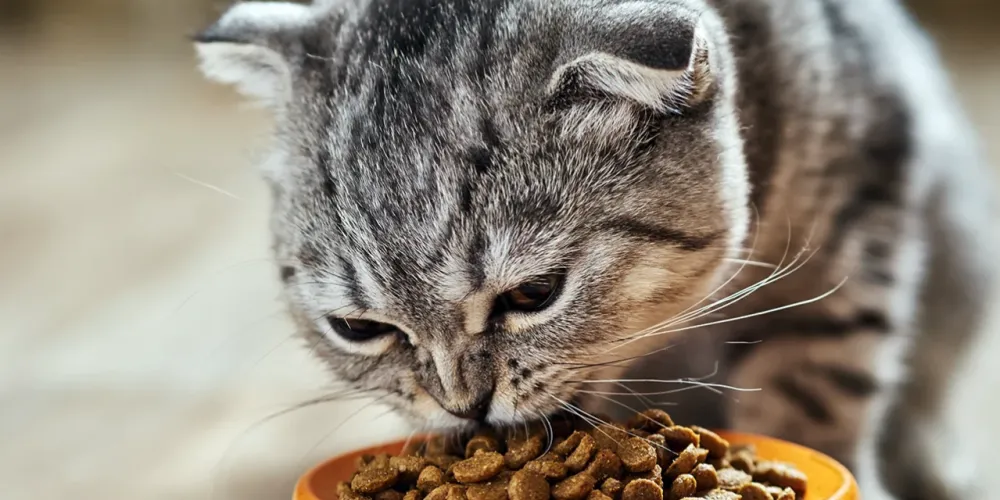
Food allergies in cats — this is a problem that many pet owners face. Symptoms may manifest as skin rashes, itching, digestive disturbances, and other unpleasant signs. In such cases, it is important not only to identify what is causing the reaction, but also to properly select a hypoallergenic food that will provide the pet with necessary nutrition and not worsen the problem. In this article, we will tell you how to choose a safe and delicious food for cats with food allergies.
Signs of Food Allergy in Cats
To choose the right food, it is first important to recognize the signs of allergy, which may vary in intensity and manifestation. The most commonly encountered signs are:
- itching, especially in the head and neck area;
- skin rashes, redness, hair loss;
- digestive problems, such as vomiting or diarrhea;
- chronic infections of the ears or eyes.
Early detection of symptoms helps to quickly select appropriate nutrition and avoid worsening the pet's condition.
How to Properly Choose a Hypoallergenic Food for Cats
Choosing a diet for cats with allergies — this is a meticulous process, including excluding potential allergens. It is important to consider several aspects when purchasing hypoallergenic food for cats:
- Switch to a single-source protein. Food with one type of protein (for example, from turkey or duck) reduces the likelihood of an allergic reaction.
- Avoid grains and gluten. Cats often do not tolerate grain crops such as wheat and corn, so it is better to choose grain-free options.
- Look for natural ingredients. Foods without artificial preservatives, colorings, and flavorings, available on Maudau, are safer for pets with allergies.
- Pay attention to the presence of fatty acids. Omega-3 and omega-6 help reduce skin inflammation and improve coat condition.
- Choose food with prebiotics and probiotics. These components help maintain a healthy intestinal microbiota and improve digestion, which is especially beneficial for animals with food allergies.
Transitioning to such food usually takes several weeks to allow the cat's body to adapt to the new diet.
Advice for Introducing New Food
To minimize stress and potential side effects, the new product is introduced gradually, mixing it with the old one over a 7–10 day period. Start with a small amount and gradually increase the proportion of hypoallergenic food. This reduces the risk of a repeated reaction and helps the pet adapt to the new diet. Choosing the right hypoallergenic menu for a cat — an important step on the path to its health and comfort. Carefully monitor its condition, watch for reactions to the new diet, and consult a veterinarian if you have any doubts. May your furry friend always delight you with excellent health and a cheerful mood!
Editorial team agronom.info
Materials are prepared by the portal's agronomists and editors. We use only trusted sources: Ukrainian agricultural universities, variety registries, open scientific publications.
Related articles

Not yet comments. Be the first!
Comments · 0