
Profile bender — buy reliable equipment
Profile bending machines are essential equipment for cold metal bending. In this article, we will take a detailed look at the types of profile benders, their design, and the selection criteria for production needs in Kazakhstan.
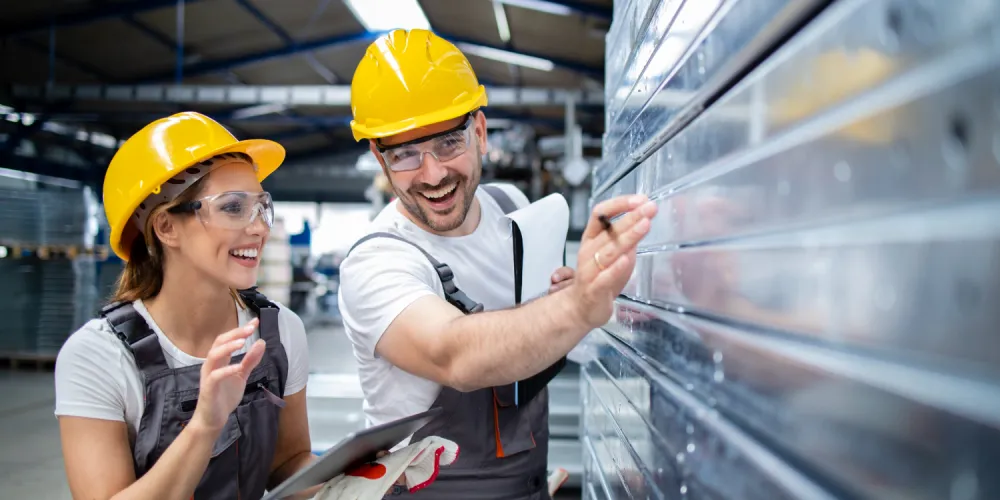
Modern metalworking production is impossible to imagine without specialized equipment that allows workpieces to be shaped as required. A reliable profile bender is exactly the type of machine that ensures precise and high-quality deformation of metal profiles, pipes, and beams without damaging their structure. In the conditions of active construction and the development of the industrial sector in Astana, the demand for such units is constantly growing. A properly selected machine makes it possible to optimize production processes, reduce the percentage of defects, and significantly speed up the completion of complex engineering tasks.
Purpose and operating principle of profile bending equipment
Profile bending machines are designed for cold bending of rolled metal products with various cross-sections. They successfully handle square, rectangular, and round pipes, as well as channels, angles, and I-beams. The main operating principle consists of rolling the workpiece between several rollers, which gradually change the bending radius of the metal.
During operation, the metal is subjected to uniform pressure, which prevents the appearance of microcracks, kinks, or flattening at the bends. This is especially important when creating load-bearing structures, where the strength of each element is critical for the safety of the entire facility. Modern models are equipped with precision adjustment systems that allow the required angle to be set with minimal error.
At enterprises in Kazakhstan, such machines are used to create arched structures, greenhouse frames, canopies, awnings, and elements of urban infrastructure. Thanks to their high productivity, the equipment quickly pays for itself and becomes an indispensable asset for both large factories and small private workshops.
Main types of profile benders
The machine-tool market offers several types of equipment, each adapted to specific volumes and tasks. The choice of a particular type depends on the intensity of use and the characteristics of the material being processed. Traditionally, machines are divided into three main categories by drive type.
- Manual models: compact and inexpensive devices operated by the operator’s physical effort. They are ideal for garage workshops, minor repairs, and the production of single-piece items.
- Electromechanical machines: equipped with an electric motor and gearbox. They provide a stable rolling speed and are suitable for serial production of medium-complexity parts.
- Hydraulic units: powerful industrial equipment capable of bending thick-walled rolled metal products with large cross-sections. They are highly accurate and are often equipped with computer numerical control systems.
In addition, machines differ in the number of drive rollers. There are models with two or three driven rollers. Three-roll modifications are considered more versatile, as they prevent smooth workpieces from slipping and ensure a smoother bending process.
Advantages of using professional equipment
Investing in a high-quality profile bending machine brings a number of tangible advantages to an enterprise. First of all, it significantly increases labor productivity. Mechanization of the process makes it possible to complete in one working shift a volume of tasks that would take several days with manual processing.
The second important factor is the flawless quality of finished products. Professional equipment guarantees the ideal geometry of products, which is critically important during subsequent installation or welding of structures. The absence of defects on the metal surface preserves its anti-corrosion properties and aesthetic appearance.
Material savings are also worth noting. Precise adjustment of the bending radius minimizes the amount of scrap and waste. The operator can calculate the length of the workpiece in advance and obtain a part of the required size on the first attempt. This is especially relevant when working with expensive alloys, stainless steel, or aluminum.
Areas of application in Astana and regions of Kazakhstan
The capital of Kazakhstan, Astana, is a city with high rates of construction and architectural innovation. For this reason, profile bending machines are used here very widely. They are involved at all stages of the construction of residential complexes, commercial real estate, and sports facilities.
In the construction industry, the equipment is used to create non-standard architectural forms: domes, arched ceilings, spiral staircases, and decorative facades. Metal frames bent with high precision ensure the reliability and durability of modern buildings.
In addition to construction, the machines are actively used in mechanical engineering, loft-style furniture production, manufacturing of advertising structures, and road barriers. The agricultural sector is also a major consumer of bent profiles, which are used for the construction of hangars, livestock complexes, and large-scale greenhouse facilities throughout the country.
How to choose the right profile bending machine
Purchasing metalworking equipment requires a thorough analysis of technical specifications and their comparison with production needs. The first thing to pay attention to is the maximum size and wall thickness of the profile that will be processed. The machine’s power reserve should be at least twenty percent above peak loads.
The second criterion is the drive type. For a small workshop producing forged items or lightweight canopies, an electromechanical model will be sufficient. If bending I-beams or thick-walled pipes for load-bearing structures is planned, only hydraulic presses with a strong frame should be considered.
It is also important to evaluate the equipment package. The availability of additional rollers for different cross-section types significantly expands the machine’s functionality. Modern CNC models allow bending programs to be stored in memory, which is indispensable for mass production of identical parts. Pay attention to the manufacturer’s reputation and the availability of service support in your region.
Maintenance and safety precautions
To ensure a long service life of the equipment, it is necessary to strictly follow the maintenance regulations. Regular lubrication of friction parts, checking the hydraulic fluid level, and inspecting the condition of drive belts or chains will help prevent sudden breakdowns and costly repairs.
Special attention should be paid to the condition of the working rollers. Their surface must be clean, without burrs or signs of heavy wear. When working with stainless steel, it is recommended to use special polymer rollers to avoid damaging the polished surface of the workpiece.
Operating a profile bending machine requires compliance with safety rules. The operator must undergo appropriate training, use personal protective equipment, and make sure that no foreign objects enter the working area. Proper operation guarantees not only high quality of the products manufactured, but also the safety of production personnel.
Editorial team agronom.info
Materials are prepared by the portal's agronomists and editors. We use only trusted sources: Ukrainian agricultural universities, variety registries, open scientific publications.
Related articles
Not yet comments. Be the first!
Comments